
Introduction
Dealing with a dog that bites can be stressful and concerning for any pet owner. Whether your dog is a puppy exploring with its mouth or an adult showing aggressive behavior, understanding why dogs bite and how to address this behavior is crucial for a safe and happy home. Fortunately, with patience, the right training methods, and consistent practice, biting can be substantially reduced or completely stopped.
This blog post will provide effective training tips and practical advice to help dog owners stop their dogs from biting. From recognizing the causes behind biting to implementing positive reinforcement strategies, you’ll gain the tools you need to foster good behavior and maintain a strong bond with your furry friend.
Understanding Why Dogs Bite and How to Prevent It
Before you can stop your dog from biting, it’s essential to understand why your dog might potentially be doing it. Dogs bite for various reasons, including fear, anxiety, teething, playfulness, or a means to assert dominance. Puppies, in particular, explore their environment through biting, and if not guided properly, this behavior can become problematic as they grow.
Identifying the root cause helps tailor training to your dog’s specific needs. For example, if your dog bites out of fear, you’ll want to focus on building confidence and socialization. If biting is related to play, redirecting that energy with appropriate toys and positive techniques is necessary. In any case, avoiding physical punishment is vital because it can worsen aggression and damage trust.
Early socialization from 8 to 16 weeks of age is one of the best preventive measures. Exposing your dog to various people, animals, and environments during this critical period teaches bite inhibition and reduces fear-based biting. Consistent boundaries, a structured routine, and lots of positive reinforcement are key components for biting prevention in both puppies and adult dogs.
Effective Training Techniques to Stop Dog Biting
One of the most effective ways to stop dog biting is through positive reinforcement training. rewarding your dog for good behavior with treats, affection, or play encourages them to repeat those calm, non-biting actions. When your dog attempts to bite, calmly say “no” or “ouch” in a firm voice to indicate that biting is unacceptable, then redirect their attention to a chew toy.
Teaching bite inhibition is a vital step for puppies. This means helping them learn how to control the force of their bite. When your puppy bites too hard during play, make a loud yelp and stop the interaction promptly for a few seconds. This mimics how other dogs teach bite limits and helps your puppy understand that biting ends playtime. gradually, you can increase play sessions when the puppy uses gentle mouthing.
consistency is critical throughout this process.Everyone in your household must follow the same rules and training methods to avoid confusing your dog. Use commands like “leave it” or “gentle” paired with positive rewards.Providing plenty of exercise and mental stimulation also reduces excessive biting caused by boredom or pent-up energy.
Our Top Product Recommendations

Additional Strategies for Managing Biting Behavior
In some cases, biting can stem from underlying stress, fear, or health issues. Observing your dog’s body language and environment can give you clues about potential triggers. avoid situations that provoke biting until your dog builds confidence through targeted training and socialization.
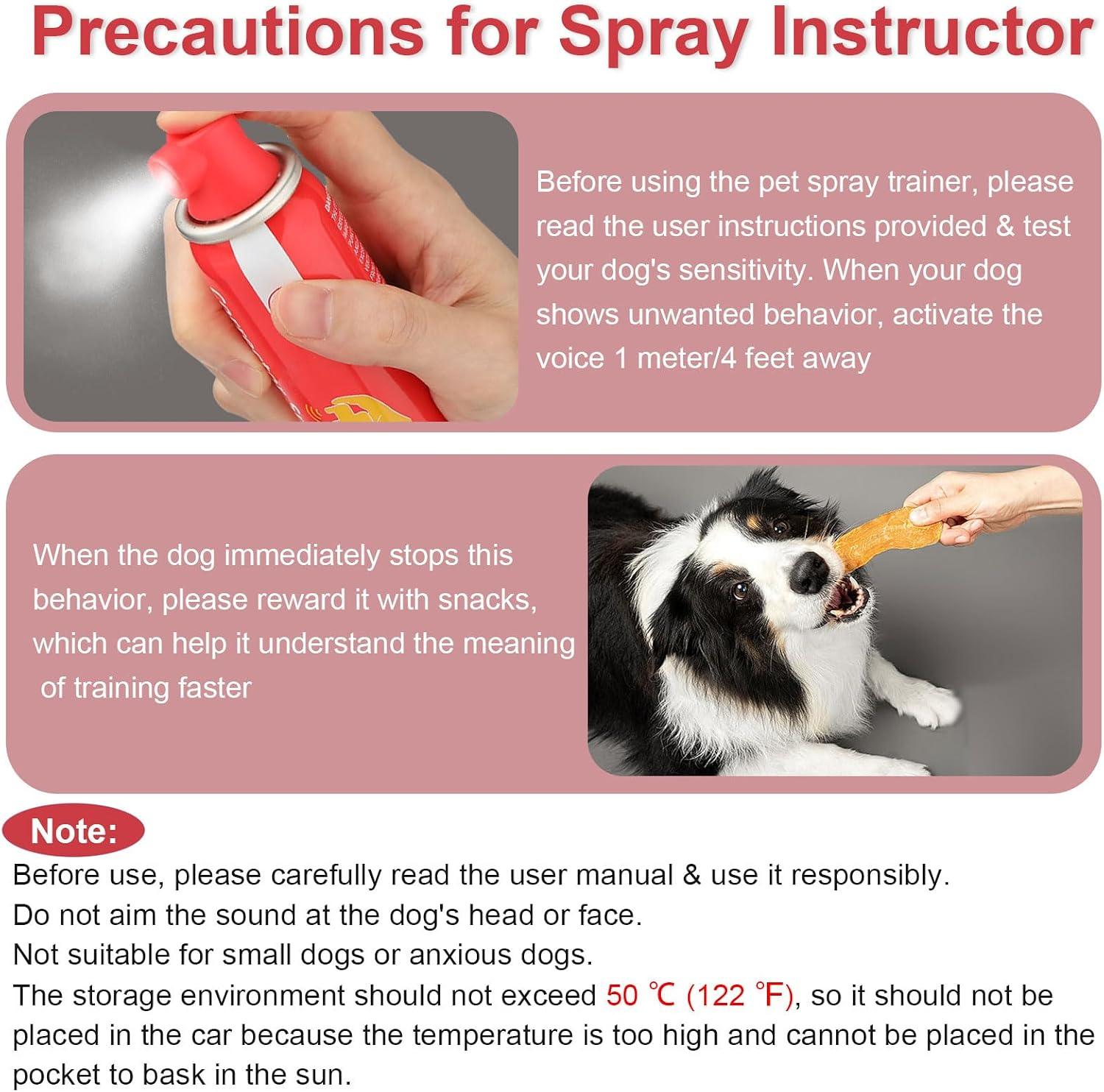
Using deterrents like bitter sprays can discourage your dog from chewing or biting inappropriate items or even skin during play. However,these products should be used cautiously and as part of a wider training plan rather than a standalone solution.
Seeking help from a professional dog trainer or behaviorist can provide personalized guidance, especially if biting is severe or threatens safety. Training classes and socialization groups enhance your dog’s communication skills and reduce anxiety that may led to biting.
Frequently Asked Questions
Why do puppies bite more than adult dogs?
Puppies bite more because they explore their world through their mouths and are teething. They also learn boundaries and social cues through mouthing and play biting with their littermates. Without proper training, puppy biting can become a habit.
Is it okay to use punishment to stop my dog from biting?
Physical punishment or harsh discipline can increase fear and aggression, perhaps making biting worse. Positive reinforcement and gentle correction are far more effective and help maintain a trusting relationship with your dog.
How long does it take to stop a dog from biting?
The timeline varies depending on the dog’s age,temperament,and the consistency of training. With regular practice and patience, many dogs show significant improvement within weeks or months. Early intervention leads to faster results.
Conclusion
Stopping your dog from biting requires understanding, patience, and the right training approach. By recognizing why your dog bites and consistently applying positive methods like bite inhibition training, redirection, and appropriate socialization, you can definitely help your dog develop gentle habits and reduce biting episodes.
Remember that every dog is unique, so adapting these tips to your dog’s personality and needs is critically important. With love and dedication, you and your dog can enjoy a safe, happy relationship free from biting concerns.