Introduction
Training your dog to come when called is one of the most crucial commands you can teach your furry friend. It ensures their safety, strengthens your bond, and improves overall interaction. whether you have a playful puppy or an adult dog, helping them reliably respond to your call can prevent dangerous situations and give you peace of mind during outings or at home.
This blog post will walk you through easy and effective techniques to train your dog to come when called. We will cover step-by-step instructions, tips to stay consistent, and common challenges you might face. With patience and practice, your dog will happily come running every time you call!
Why Teaching ”Come” is Crucial for Your Dog’s Safety
The “come” command is much more than a simple trick; it’s a critical safety tool. When your dog reliably comes to you on command, it can prevent accidents like running into traffic, approaching aggressive animals, or getting lost. It also helps you maintain control in off-leash situations or crowded places.
Highly reliable recall training makes outings more enjoyable and stress-free. You will be able to trust your dog to respond promptly, enabling both of you to explore parks, trails, or your backyard without constant worry. Moreover, praise and rewards during training foster a trusting relationship, making your dog excited to obey.
Step-by-Step Techniques to Train Your Dog to Come When Called
Start by choosing a clear and consistent recall word, such as “come” or “here.” Use the same word every time to avoid confusing your dog. Begin training in a quiet,distraction-free area inside your home where your dog feels cozy and safe.
Call your dog’s name frist to get their attention, then say the recall word with a happy and encouraging tone. When your dog comes to you, immediately reward them with high-value treats, affection, or play. The reward needs to be something your dog really loves as positive reinforcement is key to triumphant training.
Practice short sessions multiple times a day,gradually increasing the distance between you and your dog. As your dog gets better, add mild distractions and move training outside. Always reward and praise enthusiastically to reinforce that coming when called is a fantastic experience.
Common Challenges and How to Overcome Them
Recall training can come with hurdles such as your dog getting distracted or ignoring the call. One reason dogs might not come is because they do not find it rewarding enough compared to the tempting distractions around them. To counter this, increase the value of your rewards or incorporate a favorite toy or game.
Another common issue is when dogs come but don’t want to stay close.Use a leash or long training lead during early outdoor sessions to prevent your dog from running off after coming and help build trust and focus. Avoid punishing or scolding your dog if they hesitate or don’t come right away,as this can create a negative association with the recall command.
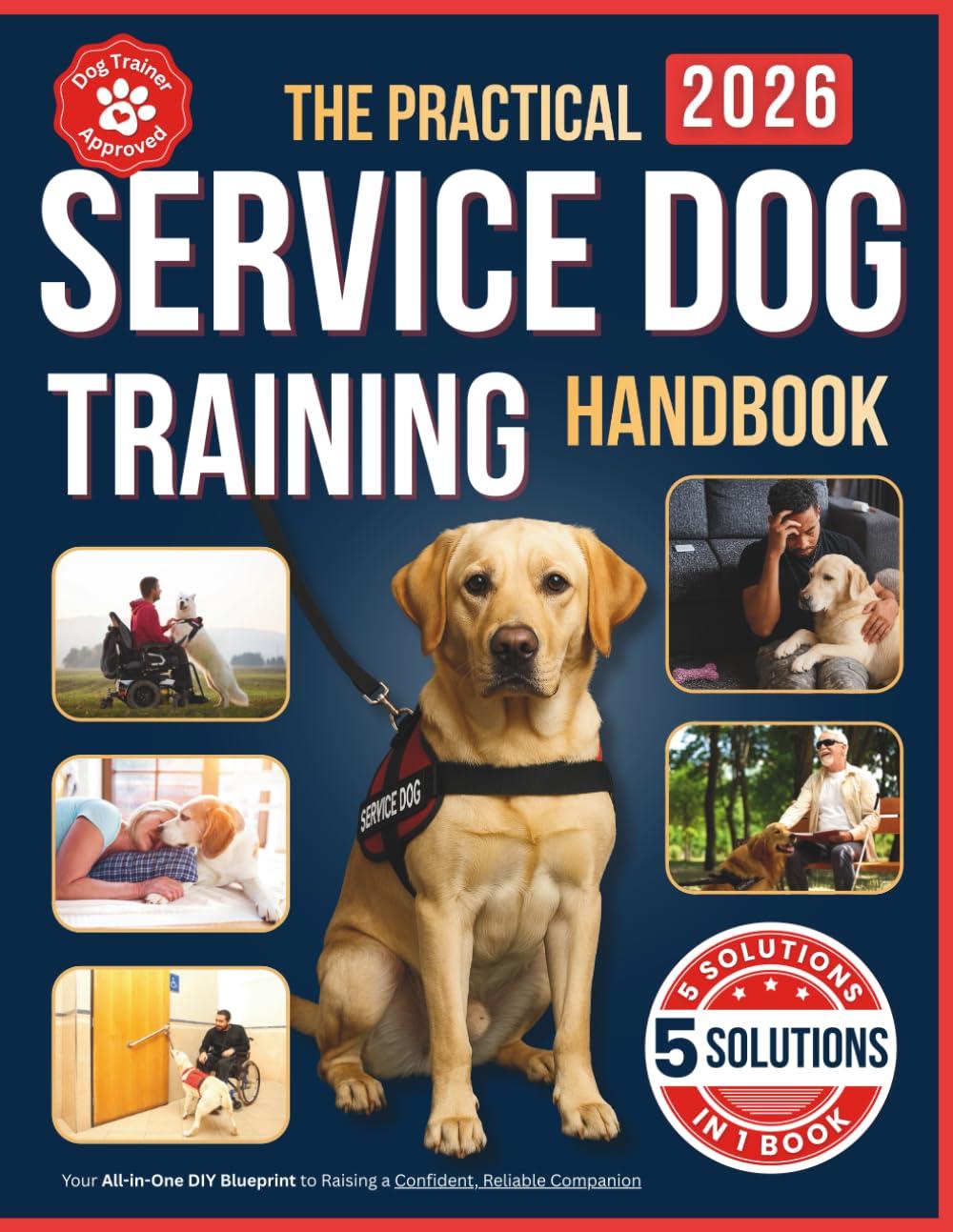
Our Top Product Recommendations


Tips for Maintaining a Reliable Recall Long-Term
Consistency is key when it comes to recall training. Continue practicing regularly even after your dog has learned the command well. Reinforce the behavior by mixing in random recall calls throughout the day and rewarding them for coming willingly.
Try to vary the environments where you practice so your dog generalizes the recall command regardless of location or distractions.Avoid only calling your dog to end playtime or bring them back to a situation they dislike, as this can make them reluctant to respond.
lastly, incorporate fun games like hide and seek or fetch into training to keep your dog keen about coming when called. Celebrate every success with positive energy,treats,and petting to ensure a joyful learning experience that lasts a lifetime.
Frequently Asked Questions
How long does it take to train a dog to come when called?
The time required varies depending on the dog’s age, personality, and previous training experience. Some dogs can learn the basic recall in a few days with consistent practice, while others may take several weeks to respond reliably in all environments. Patience and regular training are essential.
What if my dog doesn’t come when off-leash?
If your dog ignores your call off-leash, try using a long training leash to maintain control while building trust and focus. Increase the value of rewards when outside and practice in low-distraction areas initially. Never punish your dog for coming late; instead, make recall a positive experience.
Can I use a whistle rather of a verbal command?
Yes, whistles can be an excellent recall tool, especially at a distance. Choose a unique whistle sound your dog can associate with coming to you. Whistle training follows similar principles as verbal recall, emphasizing consistency and positive rewards.
Conclusion
Teaching your dog to come when called is foundational for a happy, safe, and well-behaved pet. By using easy and effective training techniques, you’ll build a strong communication bond and ensure your dog listens to you in any situation. remember to stay patient, consistent, and always reward your dog generously.
With practice and love, your dog will come running joyfully every time you call. Happy training!