Introduction
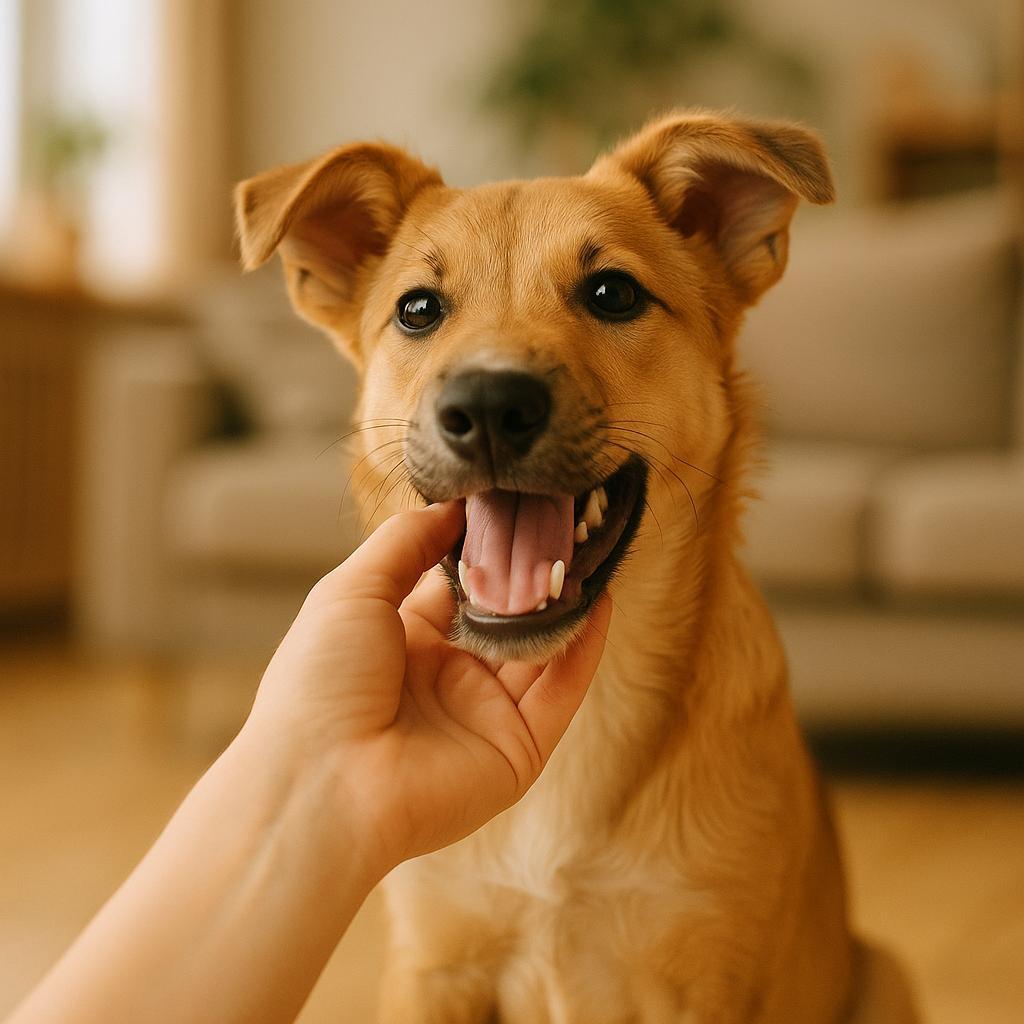
Welcoming a new puppy into your home is an exciting and joyful experience, but it also comes wiht its set of challenges. One common issue many new dog owners face is a puppy that bites hands. While it’s natural for puppies to explore the world with their mouths, biting can quickly become a problem if not addressed early. Understanding why puppies bite and how to effectively teach them to stop is essential for building a loving and respectful relationship with your furry friend.
In this blog post, we will explore practical and effective training tips to help you stop your puppy from biting hands. Weather you’re a first-time dog parent or looking to refresh your training techniques, these tips will guide you step-by-step toward a playful yet gentle puppy who knows boundaries.
Understanding Why Your Puppy Bites Hands
Puppy biting is a natural behavior and part of how puppies interact with their surroundings and learn about their surroundings. As puppies grow,they use their mouths to explore,communicate,and relieve the discomfort of teething. Biting hands, in particular, may sometimes be a sign of affection or play, but it’s vital to recognize that it can also stem from excitement, fear, or the desire for attention.
Recognizing the reasons behind your puppy’s biting behavior allows you to tailor your training methods effectively. Instead of punishing the puppy, which can create fear or anxiety, positive reinforcement and gentle redirection are key strategies that promote healthy habits and strengthen your bond with your dog.
Positive Reinforcement Techniques to Stop Puppy Biting
One of the moast effective approaches to stop a puppy from biting hands is to use positive reinforcement. This method focuses on rewarding good behavior rather than punishing undesirable actions. When your puppy plays gently without biting, provide praise, treats, or affection instantly to reinforce that behavior.
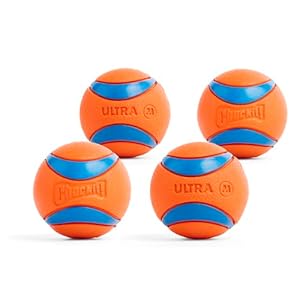
Redirecting biting behavior to appropriate toys is a helpful strategy. Whenever your puppy tries to bite your hands, calmly replace your hand with a chew toy.This teaches the puppy that toys are the correct objects for biting and chewing. Over time, your puppy will learn to associate biting with toys, not hands.
Teaching your puppy commands like “No,” “Stop,” or “Gentle” can also help communicate boundaries. Consistency is crucial, so ensure all family members use the same commands and techniques to avoid confusing the puppy.
Our Top Product Recommendations



Consistency and Patience: Key to Prosperous Training
When training your puppy to stop biting hands, consistency is non-negotiable. Puppies thrive on routine and learn best when the same rules and responses are applied every time. This means all family members should be on the same page with training methods and commands to avoid sending mixed signals to the puppy.
Patience is equally important. Training a puppy takes time, and biting may not stop overnight. It’s common for puppies to test limits; responding calmly and with repeated guidance helps them learn acceptable behavior without fear. Celebrate small wins to keep motivated during the training journey.
Setting clear boundaries and reinforcing gentle play with positive reinforcement paves the way for a well-mannered puppy that respects your hands. remember, harsh punishments can harm your relationship and often worsen biting behavior, so stick to gentle and effective approaches.
Frequently Asked Questions
Why does my puppy bite my hands so much?
Puppies bite hands primarily because they are exploring their world and teething. Biting can also be a way to gain attention, express excitement, or relieve discomfort. It’s critically important to guide them toward appropriate outlets like chew toys to prevent unwanted biting.
How long does it take to stop a puppy from biting hands?
The time it takes to stop biting varies depending on the puppy’s temperament and the consistency of training. With regular positive reinforcement and gentle redirection, many owners see improvements within a few weeks. persistent and patient training is key to lasting results.
Is it okay to yell at my puppy to stop biting?
Yelling is generally not effective and can increase anxiety or fear in puppies, potentially leading to more biting or other behavior problems. Instead, use calm, consistent commands and redirect the biting to toys for a more positive outcome.
Conclusion
Teaching your puppy to stop biting hands is an important step in fostering a loving and respectful relationship. By understanding the reasons for biting and applying gentle, consistent training methods such as positive reinforcement and redirection, you can encourage your puppy to learn better habits. Remember, every puppy is unique, so stay patient and committed throughout the process.
With time, love, and the right techniques, your puppy will grow into a well-behaved companion who knows that hands are for gentle petting, not biting.