Introduction
Welcoming a rescue dog into your home is a deeply rewarding experience, filled with compassion adn new beginnings. Unlike puppies, rescue dogs often come with a past that can include uncertainties or previous challenges. This makes training them at home not only essential for their adaptation but also a beautiful journey towards building trust,confidence,and a lasting bond.
Training a rescue dog at home can seem daunting at first, but with patience, consistency, and the right approach, it’s absolutely achievable. This guide will walk you through practical, effective steps tailored to the unique needs of rescue dogs, ensuring your furry friend thrives in a loving, safe environment for years to come.
Understanding Your Rescue Dog’s Needs
Before diving into specific training techniques, it’s crucial to understand that rescue dogs often bring with them a lifetime of experiences, some of which may involve trauma or uncertainty. Patience is key as your dog learns to trust you and their new environment. observing your dog’s behavior, body language, and triggers helps you tailor a training plan that respects their emotional state.
Many rescue dogs can benefit greatly from a stable routine that provides predictability and security. Establishing consistent feeding times, walks, play, and training sessions lowers anxiety and builds a sense of safety. Together with loving attention, this foundation encourages your dog to engage more openly in training exercises.
Every dog responds differently to training methods, so being flexible and empathetic is essential. Start with simple commands and gradually increase complexity as your rescue dog’s confidence grows. Positive reinforcement techniques, like praise and treats, are especially effective in fostering a willing and enthusiastic learner.
Setting Up a Positive Training Environment
Creating a calm, distraction-free space is vital for effective training sessions with your rescue dog. This environment allows them to focus without feeling overwhelmed by new stimuli. Using familiar toys,treats,and even scents can definitely help your dog feel more secure during training time.
Short, frequent training sessions tend to work better than longer, infrequent ones. Aim for sessions lasting about 5 to 10 minutes multiple times a day to keep your rescue dog engaged but not tired. Ending each session on a positive note encourages your dog to anticipate training as a fun experience.
Consistency in commands and rewards helps your rescue dog quickly associate actions with outcomes. Use the same words and gestures for commands, and ensure everyone in the household is on board with the training approach. This unity reduces confusion and speeds up learning.
our Top Product Recommendations

Essential training Techniques for Rescue Dogs
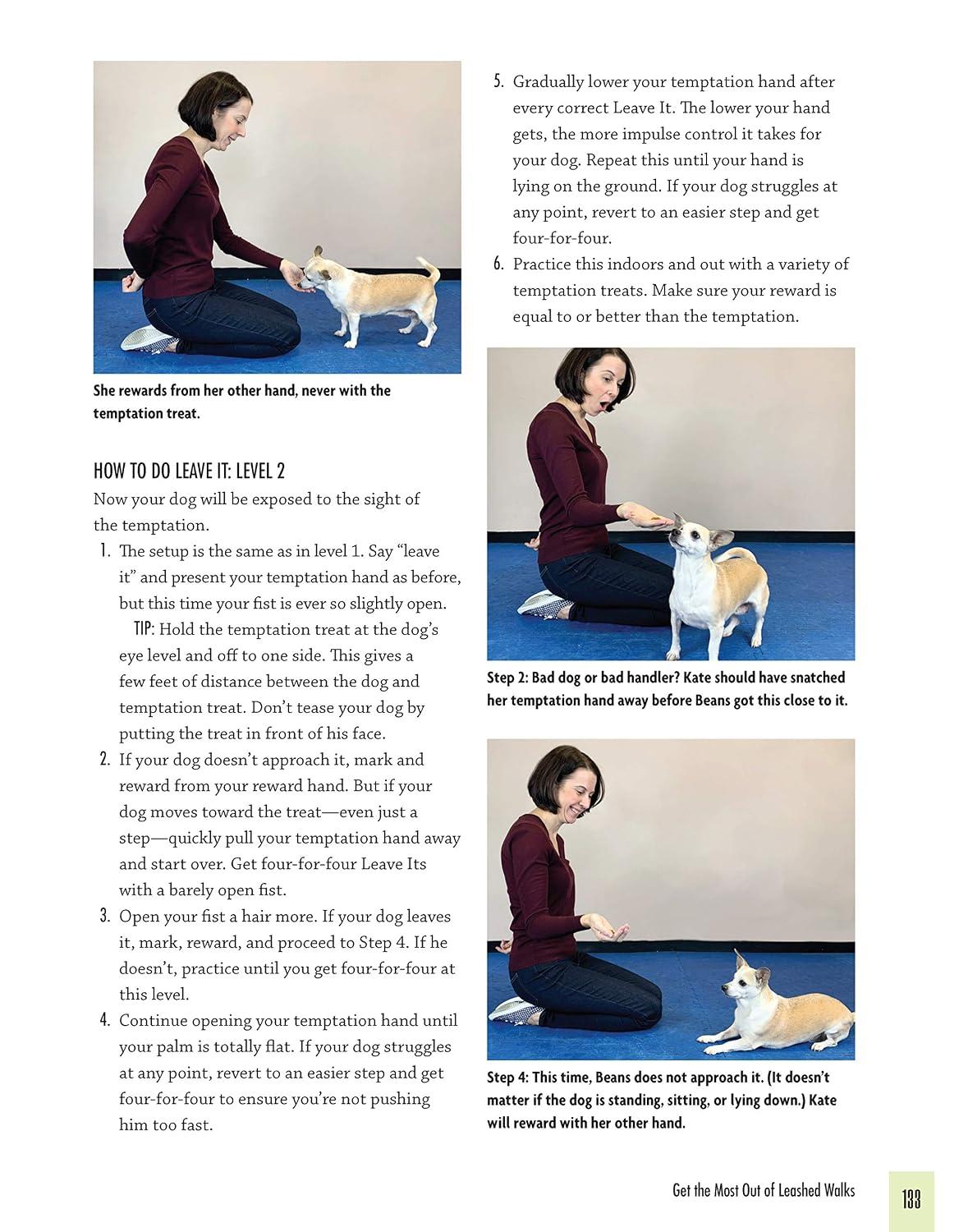
One of the most effective methods to train a rescue dog is positive reinforcement. Rewarding good behavior with treats, praise, or play encourages your dog to repeat those actions. Avoid punishment-based training; it can cause fear and damage the trusting relationship you’re building.
Start with basic commands like “sit,” “stay,” and “come.” These simple lessons create structure and communication, letting your dog know what is expected. Use gentle encouragement, clear voice cues, and consistent hand signals to reinforce learning. remember to be patient-progress may be slow, but small successes add up.
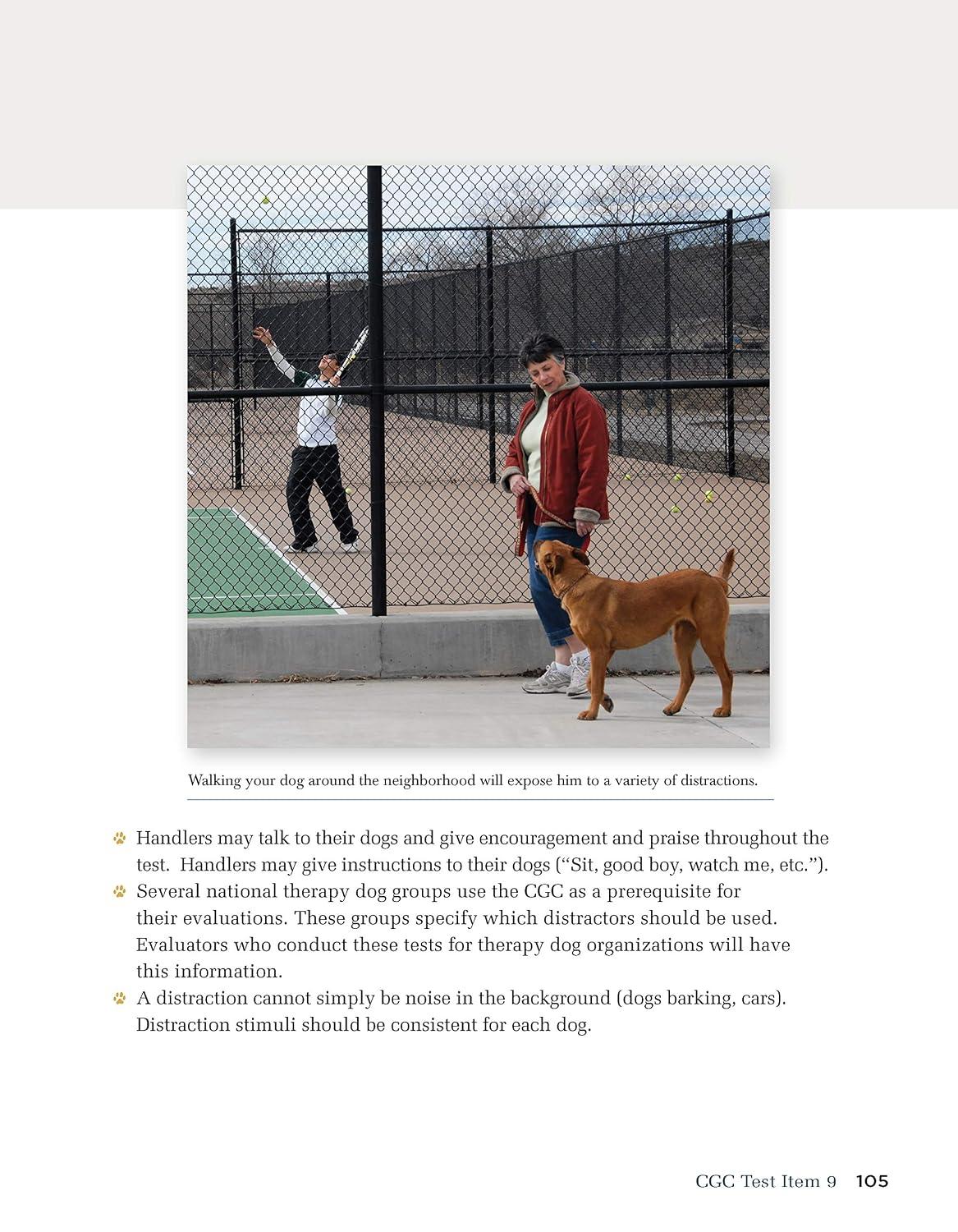
In addition to basic obedience, work on socialization carefully. Introduce your rescue dog gradually to new people, other dogs, and environments. Controlled exposure with positive experiences will help alleviate fears and encourage adaptability. If needed, consider consulting a professional trainer who specializes in rescue or fearful dogs to ensure the best outcomes.
Frequently Asked Questions
How long does it usually take to train a rescue dog at home?
Training duration varies depending on the dog’s age,background,and temperament. Some dogs may start responding to commands in a few weeks, while others need several months of consistent work.The key is to maintain patience and celebrate small milestones along the way.
What should I do if my rescue dog shows fear or aggression during training?
If your dog reacts with fear or aggression, it’s important to pause and assess the situation. avoid forcing interactions and give your dog space to calm down. Using positive reinforcement and gradual desensitization can help overcome these challenges. Seeking professional help is advisable if aggressive behavior persists.
Can rescue dogs learn new commands as well as puppies?
Absolutely! While some rescue dogs may take extra time to adjust, they are perfectly capable of learning new commands and behaviors. With consistency, kindness, and tailored techniques, many rescue dogs excel in training and become well-mannered companions.
Conclusion
Training a rescue dog at home is a journey filled with challenges and remarkable rewards. By understanding your dog’s unique needs,creating a positive environment,and applying gentle,consistent training methods,you set the stage for lasting success. Remember, every rescue dog has a special story, and with your help, they can write a happy new chapter.
Embrace the process with love, patience, and dedication. The strong bond you build through training will provide your rescued companion with not just obedience but also confidence and a sense of belonging in their forever home.