Introduction
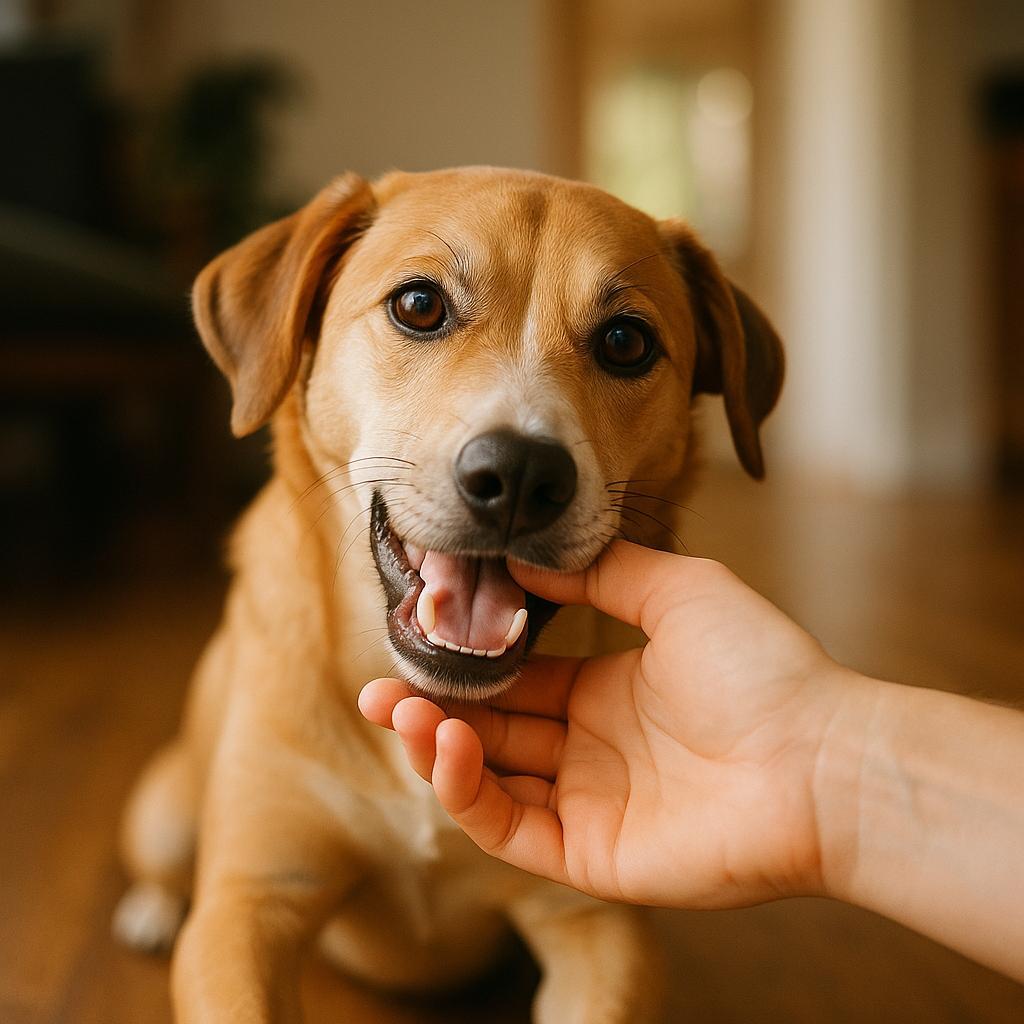
Bringing home a new puppy can be an exciting and joyful experience, but it often comes with it’s challenges-especially when it comes to biting.Puppies explore the world with their mouths, and as a result, biting hands is a common behavior that many dog owners face. While it may seem harmless at first, unchecked biting can be painful and potentially harmful as your puppy grows stronger.
Fortunately, preventing your puppy from biting hands is wholly achievable with consistent training and patience. In this blog post,we’ll explore effective,positive training tips and techniques that will help guide your puppy into becoming a gentle and well-mannered companion. Whether you’re dealing with playful nipping or more persistent biting, these expert tips will set you on the right path.
Understanding Why Puppies Bite Hands
Before you can effectively stop your puppy from biting your hands, it’s vital to understand why thay do it in the first place. Puppies use their mouths to explore their surroundings just like human babies use their hands. Biting also serves as a way for them to relieve teething pain, communicate, and interact socially.
another reason puppies bite hands is as they are frequently enough seeking attention or trying to engage in play. They haven’t yet learned boundaries or how to modify their bite pressure, so it can feel uncomfortable or even painful. Recognizing the root cause of your puppy’s biting behavior will help you address the issue with more empathy and precision.
Moreover, biting behavior can increase if it’s unintentionally reinforced-such as when owners react by playing roughly or giving attention only when biting occurs. Training methods that use positive reinforcement to reward gentle mouthing and discourage biting can prevent this from becoming a habit.
Effective Training Tips to stop Hand Biting
One of the most effective ways to stop your puppy from biting hands is to redirect their biting behavior to appropriate chew toys. Whenever your puppy tries to nibble on your hands, instantly replace your hand with a toy that’s safe and durable. This teaches your puppy what is acceptable to bite and what is off-limits.
Another crucial technique is to teach bite inhibition. This involves helping your puppy learn how to control the force of their bite so that it doesn’t hurt. you can start by letting out a high-pitched yelp or saying “ouch” loudly when your puppy bites too hard. This mimics the natural reactions from littermates and sends the message that the bite was too strong. Then,pause the play session momentarily to show that biting stops the fun.
Positive reinforcement is key to successful training. Reward your puppy with treats, praise, or affection when they play gently without biting. Consistently rewarding good behavior helps your puppy understand what you expect from them and strengthens your bond.
Our Top Product recommendations

Durable Puppy Chew Toys
These chew toys are designed for teething puppies and provide a safe outlet for biting behavior. Made from non-toxic materials, they help soothe sore gums and keep your puppy entertained for hours.

Healthy Puppy Training Treats
These bite-sized treats are perfect for rewarding good behavior during training sessions. They’re low-calorie and made with natural ingredients that puppies love.

Bite Deterrent Spray
Spray this safe, bitter-tasting deterrent on your hands or furniture to discourage your puppy from biting. The unpleasant taste helps teach boundaries while keeping training positive.
Additional Techniques to Reinforce Good Behavior
Consistency plays a huge role in stopping hand biting habits. Everyone in your home must use the same training commands and techniques to avoid confusing your puppy. Establish clear rules and stick to them every time your puppy attempts to bite hands.
Ignoring your puppy when they bite can also be effective. Sometimes puppies bite to get a reaction from you, so turning away or walking out of the room for a few seconds when biting occurs teaches them that biting doesn’t get attention.
Socialization with othre vaccinated puppies and friendly dogs is another valuable strategy.Playing with others allows your puppy to learn bite inhibition naturally, as their playmates provide immediate feedback when the biting is too rough.
Frequently Asked Questions
Why dose my puppy bite my hands so much?
Puppies bite hands as part of exploring their world, relieving teething discomfort, or seeking attention. It’s a natural behavior, but it needs to be managed through training to prevent it from becoming problematic.
When will my puppy stop biting hands?
With consistent training and redirection, many puppies begin to reduce biting behaviors by 4 to 6 months of age.However, individual puppies may vary, so patience and persistence are essential.
Is it okay to let my puppy bite my hand gently?
Allowing gentle mouthing is acceptable as it can help puppies learn bite inhibition. However,it’s important never to encourage biting of hands as a form of play to avoid confusion. Always redirect biting to appropriate toys.
Conclusion
Stopping your puppy from biting hands is a common challenge but one that can be overcome with the right approach. Understanding why puppies bite, using positive reinforcement techniques, and providing acceptable outlets for their biting behaviors will go a long way. Consistency, patience, and plenty of love are the keys to raising a well-behaved, gentle dog that’s a joy to be around.
By applying the training tips and techniques shared in this post, you’ll not only reduce biting but also build a stronger bond with your furry friend-creating a happy and harmonious household for years to come.