Introduction
Dealing with dog shedding at home can be a frustrating experience for many pet owners. Whether you have a breed that sheds seasonally or one that seems to shed throughout the year, managing the fur around your living space requires consistent effort and the right techniques. Fortunately, there are effective and easy ways to handle shedding that will help keep your home clean and your dog cozy.
in this blog post, we’ll explore practical tips and strategies for managing dog shedding at home. from grooming routines to cleaning hacks and nutrition advice, our comprehensive guide is designed to simplify the process and make shedding a manageable part of dog ownership. Let’s dive in and discover how you can reduce your stress and maintain a fur-free living habitat.
Regular Grooming: The first Step to control Shedding
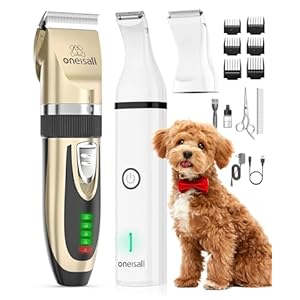
One of the most effective ways to manage shedding is through regular grooming. Brushing your dog frequently helps remove lose fur before it falls onto your floors and furniture. The type of brush you use can vary depending on your dog’s coat.Such as, slicker brushes and undercoat rakes are excellent for dogs with thick double coats, while bristle brushes work well for short-haired breeds.
Consistency is key. Establish a grooming schedule that suits your dog’s needs,ideally brushing several times a week or even daily during peak shedding seasons. Grooming is also a wonderful bonding possibility that can keep your dog calm and relaxed, especially if you introduce it gradually and make it a positive experience with treats and praise.
Besides brushing, occasional baths with a dog-specific shampoo can definitely help loosen and remove dead hairs. However, avoid over-bathing, as it can dry out your dog’s skin and perhaps increase shedding, so aim for bathing every month or as recommended by your veterinarian.
Maintain a Clean Home Environment
Shedding is inevitable to some degree, but keeping your home clean can reduce the amount of fur that accumulates inside. Vacuuming regularly with a vacuum cleaner designed for pet hair is vital. Look for models with strong suction and attachments specifically meant for upholstery and carpets. Vacuum areas where your dog spends most of their time to control fur build-up.
In addition to vacuuming, using a lint roller or pet hair remover brushes on furniture and clothing can quickly pick up stray hairs. Wash your dog’s bedding and blankets often to minimize loose fur and dander. Air purifiers with HEPA filters can also aid by capturing airborne pet allergens and fur particles, which is helpful for allergy sufferers.
Our Top Product Recommendations



the Role of Nutrition and Health in Shedding
Nutrition plays a major role in the health of your dog’s coat and the amount of shedding. Dogs with poor diets may experience excess shedding due to nutrient deficiencies that affect skin and hair health. Feeding your dog a well-balanced, high-quality diet rich in omega-3 and omega-6 fatty acids can improve coat condition and reduce shedding.
Supplements like fish oil or flaxseed oil, when given under veterinarian guidance, can also help make your dog’s fur shinier and stronger, minimizing loose hairs. Additionally, regular veterinary check-ups are meaningful to rule out any underlying health issues such as allergies, skin infections, or hormonal imbalances that might be causing abnormal shedding.
If you notice sudden or excessive hair loss, it is crucial to seek professional advice rather than assuming it is just normal shedding. Proper healthcare and nutrition are essential components of a shedding management plan.
Frequently Asked Questions
How often should I brush my dog to reduce shedding?
For most dogs, brushing them three to four times a week is effective in managing shedding. Dogs with thicker undercoats or long hair may benefit from daily brushing during shedding seasons to remove loose fur before it falls off.
Can bathing my dog more frequently help with shedding?
Bathing your dog occasionally with a gentle, moisturizing shampoo can help loosen and remove dead hair. However, over-bathing can dry out the skin, which may increase shedding. Aim to bathe your dog every 4 to 6 weeks or follow your vet’s recommendations.
Are there specific tools that work best for dogs that shed a lot?
Yes, tools such as undercoat rakes, de-shedding brushes, and grooming vacuums are highly effective for dogs that shed heavily. these tools reach the undercoat and help capture loose fur before it sheds naturally, reducing mess around the home.
Conclusion
Managing dog shedding at home doesn’t have to be a daunting task. With regular grooming, maintaining a clean environment, and supporting your dog’s health through proper nutrition, you can significantly reduce the amount of loose fur in your home. The right tools and products also make the process easy and efficient.
Remember, shedding is a natural part of your dog’s life, but with patience and consistent care, you can keep your space tidy and enjoy the companionship of your furry friend without the constant mess. Implement these tips today for a happier dog and a cleaner home environment.