Introduction
Keeping your dog‘s nails trimmed is crucial not only for their comfort but also for their overall health. Overgrown nails can cause pain, difficulty walking, and lead to joint problems. While many pet owners prefer taking their dogs to a professional groomer or veterinarian, trimming your dog’s nails at home can be a convenient, cost-effective, and bonding experience when done safely.
In this detailed guide, we will walk you through the step-by-step process of trimming your dog’s nails at home. Whether you’re a first-time pet owner or looking to improve your nail-trimming skills, these tips and techniques will help you maintain your dog’s paw health with confidence and care.
Preparing to Trim Your Dog’s Nails Safely
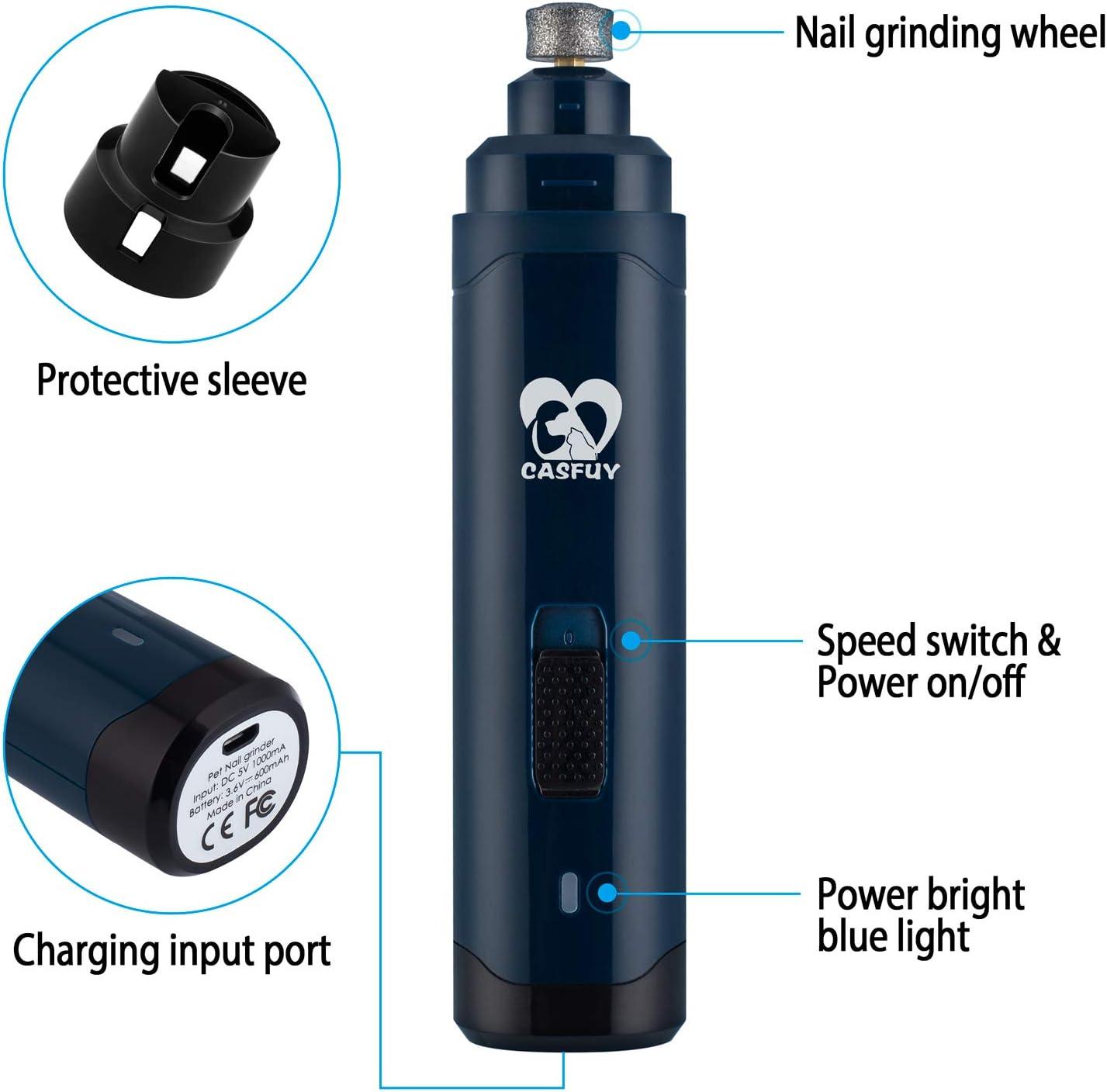
The first key to safely trimming your dog’s nails at home starts with proper planning. Begin by gathering all necessary tools such as a high-quality nail clipper or grinder, a styptic powder to stop bleeding in case of accidents, and some treats to reward your dog for good behaviour. Choosing the right environment is equally important-a quiet, well-lit area without distractions will make the experience smoother for both you and your dog.
Next, it’s essential to familiarize your dog with the tools and the process before you begin cutting. Allow your dog to sniff the clippers or grinder, and offer gentle reassurance to ease any anxiety. Gradual desensitization helps reduce stress,especially for dogs who are nervous or unfamiliar with nail trimming. Patience at this stage sets a positive tone for the entire procedure.
Step-by-Step Guide to Trimming dog nails at Home
Start by holding your dog’s paw gently but firmly to keep it steady. It can be helpful to have another person assist you if your dog tends to wiggle. Carefully examine each nail and identify the swift-the sensitive tissue inside the nail which contains blood vessels and nerves. Avoid cutting into the quick, as it causes pain and bleeding.
Trim just the tip of the nail at a time, using short, controlled snips. If you’re uncertain about the quick’s position, especially on dogs with dark nails, trim a small amount gradually until you see a black dot in the center of the freshly cut edge-this indicates you are nearing the quick and should stop trimming. Alternatively, consider using a nail grinder to gently file down the nails, which is often less likely to cause accidental cuts.
Remember to reward your dog with treats and praise after trimming each paw. This helps create a positive association with nail care. If you accidentally cut the quick and the nail bleeds, use styptic powder to stop the bleeding quickly and calmly reassure your dog.
Our Top Product Recommendations

Maintaining Your Dog’s Nail Health Between Trimmings
beyond regular trimming sessions, maintaining your dog’s nail health is an ongoing process. Frequent checks for overgrown nails and signs of splitting or cracking can prevent discomfort and injury. Exercise also plays a vital role as walking on hard surfaces naturally wears down nails in many dogs, reducing the need for frequent trims.
If your dog tends to have fast-growing nails, schedule nail trims more frequently enough, generally every 3-4 weeks. Conversely, some active dogs with naturally short nails may only require trimming every 6-8 weeks. Always listen to your dog’s needs and consult your veterinarian if you notice any abnormalities such as discoloration, soreness, or limping, as these may indicate infections or other health issues.
positive reinforcement throughout maintenance not only improves cooperation during trims but also strengthens your bond, helping your dog associate nail care with comfort and love instead of fear.
Frequently Asked Questions
How do I tell where the quick is on my dog’s nail?
The quick is easiest to see on dogs with light-colored nails, where it appears as a pinkish area inside the nail. For dark nails, take small cuts gradually and look for a dark spot in the center of the freshly trimmed nail, which indicates you are close to the quick. If in doubt,use a nail grinder or ask your vet for a demonstration.
What should I do if I accidentally cut the quick and it bleeds?
Don’t panic. Quickly apply styptic powder or cornstarch to the bleeding nail to stop the bleeding. Keep your dog calm and apply gentle pressure for a few minutes. The bleeding should stop shortly; if it doesn’t, consult your veterinarian.
Can I use human nail clippers on my dog?
It is not recommended to use human nail clippers for dogs because they are not designed for the thickness and shape of dog nails. Use clippers or grinders specifically made for pets to ensure a clean cut without splintering.
Conclusion
Trimming your dog’s nails at home can feel daunting at first, but with the right tools, knowledge, and patience, it becomes a simple and rewarding routine. By following our step-by-step guide, you’ll be confident in maintaining your dog’s nail health safely and effectively. Regular trimming not only enhances your dog’s comfort but also contributes to their overall well-being, ensuring happy paws for years to come.
Remember to take it slow,reward your dog generously,and don’t hesitate to seek professional advice if needed. With practice, nail trimming will become a stress-free experience for both you and your furry friend.