Introduction
Dog shedding is a natural process that all pet owners face at some point. While seeing your furry friend lose some fur can be completely normal, it can also create quite a mess around your home. Tackling dog shedding effectively is essential to maintaining a clean and comfortable living habitat for both you and your pet.
In this blog post, we’ll explore practical and easy ways to manage dog shedding at home. Whether you have a long-haired breed or a short-coated pup, these tips will help you keep your space tidy and reduce the amount of stray fur floating around.
Understanding Why dogs shed
Before diving into solutions, it’s crucial to understand why dogs shed in the first place. Shedding is a way for dogs to get rid of old or damaged hair, making room for new growth. It’s influenced by factors such as breed, season, health, and diet.
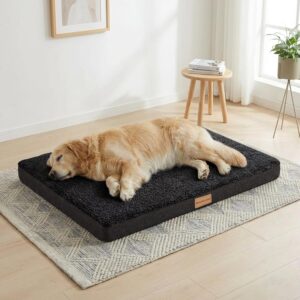
Some breeds, like Siberian Huskies and golden Retrievers, are known heavy shedders, while others, like Poodles, shed very little.seasonal changes, particularly during spring and fall, frequently enough trigger increased shedding as dogs adjust their coats for warmer or colder weather. Understanding these elements can help you better anticipate shedding cycles and prepare accordingly.
Effective Grooming practices to Reduce shedding
one of the most important ways to keep shedding under control is by establishing a regular grooming routine.Brushing your dog frequently removes loose fur before it has a chance to fall on your floors and furniture.
Using the right brush type for your dog’s coat is critical. For example, a slicker brush works great for long-haired dogs, while a rubber curry brush suits dogs with short, dense fur. Regular baths with a gentle, moisturizing shampoo not only clean their coat but can also reduce shedding by keeping the skin healthy.
Additionally, keeping your dog’s diet balanced and rich in omega-3 and omega-6 fatty acids supports healthy skin and coat, which naturally reduces excessive shedding.
Maintaining a Clean Home Environment
Even with good grooming, some shed fur is certain. Using smart cleaning tools and techniques helps keep your home fur-free. A high-quality vacuum cleaner designed to pick up pet hair is a worthwhile investment. Look for models with strong suction and specialized pet hair attachments.
In addition to vacuuming, using lint rollers or pet hair removal brushes on furniture and clothing can quickly remove pet hair. Regularly washing your dog’s bedding and any blankets they use further reduces the build-up of fur and dander around your home.
our Top Product Recommendations
FURminator deShedding Tool
An essential grooming tool known for effectively removing loose undercoat hair without damaging the topcoat.Ideal for all shedding dog breeds.
Bissell Pet hair Eraser Vacuum
This vacuum combines powerful suction with specialized pet hair attachments to keep your floors and furniture clean.
ChomChom Roller Pet Hair Remover
An eco-kind and reusable tool that quickly lifts pet hair from clothing and furniture without sticky tape.
Additional Tips to Minimize Shedding
Alongside grooming and cleaning, environmental care can also reduce shedding. Maintaining proper humidity levels in your home helps prevent your dogS skin from drying out, which can trigger more shedding. Using a humidifier during dry months is particularly beneficial.
Regular veterinary checkups are crucial to rule out medical issues like allergies, parasites, or skin conditions that can cause excessive hair loss. If your dog is scratching excessively or you notice bald patches, consult your vet promptly.
Lastly, try to reduce stress for your dog, as anxiety can lead to shedding and other health problems. Providing a calm and comfortable environment will help your pet stay relaxed and healthy.
Frequently asked Questions
How ofen should I brush my dog to control shedding?
Ideally, you should brush your dog daily or at least several times a week, especially during heavy shedding seasons. Regular brushing prevents loose hair from spreading around your home and keeps your dog’s coat healthy.
Can diet really affect dog shedding?
Yes, a nutritious diet rich in omega fatty acids helps support skin and coat health, reducing excessive shedding. Supplements can also be beneficial but consult your vet before adding anything new to your dog’s diet.
Are there any breeds that don’t shed?
While no dogs are completely hypoallergenic, some breeds like Poodles, Bichon Frises, and Maltese shed very little.These breeds are often recommended for people sensitive to pet hair but still require regular grooming.
Conclusion
Dealing with dog shedding at home doesn’t have to be overwhelming. By understanding the causes of shedding and dedicating time to regular grooming and cleaning, you can keep your living space clean and your dog comfortable. Invest in the right tools and maintain healthy routines for both you and your pet’s well-being.
With patience and consistency, managing shedding becomes much easier and helps strengthen the bond you share with your furry companion.