Introduction
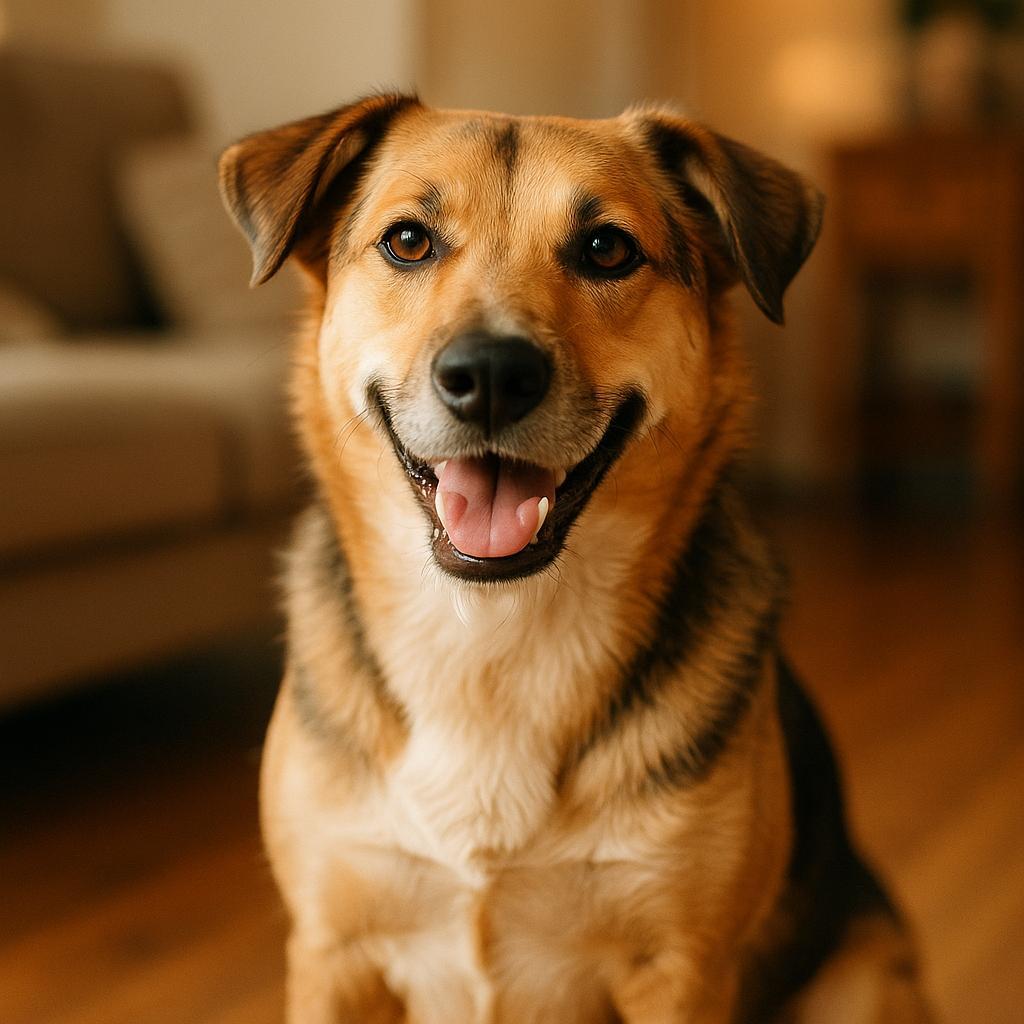
Grooming is an essential part of keeping your dog healthy and comfortable, but it’s no secret that some dogs absolutely despise the process. Whether it’s nail trimming, brushing, or bathing, grooming can quickly become a stressful experience for both pet and owner when your furry friend resists every step of the way. Understanding how to handle a dog that hates grooming is key to turning these sessions into a calmer, more manageable routine.
In this blog post, we’ll dive into practical strategies to ease your dog’s stress during grooming. From setting up a positive habitat to using the right tools,you’ll learn actionable tips that promote a stress-free grooming experience. With patience and consistency, grooming can transform from a dreaded chore into a bonding moment full of trust and comfort.
Understanding Why Your Dog Hates Grooming
Before you can effectively handle a dog that hates grooming, it’s vital to understand the root causes behind their dislike. For many dogs, grooming triggers anxiety due to unfamiliar sensations, sounds, or past negative experiences. sensitive areas like paws, ears, and tails may feel vulnerable, which can lead to resistance or even fear-based reactions. Recognizing these pain points allows you to approach grooming sessions with empathy and the right techniques.
Dogs that are not accustomed to grooming from an early age might also be more prone to stress during these routines. Additionally, certain breeds with thick coats or specific grooming needs may experience physical discomfort if grooming isn’t done properly. Taking into account your dog’s breed, temperament, and history can definitely help you tailor your grooming approach, minimizing resistance and stress.
Techniques to Make Grooming Less Stressful
One of the most effective ways to handle a dog that hates grooming is to create a calm and positive atmosphere before and during the session. Start by choosing a quiet, familiar space where your pup feels safe. Using soothing tones, gentle petting, and offering treats can help associate grooming tools with pleasant experiences. Gradually introducing equipment like brushes and nail clippers, one at a time, prevents overwhelming your dog.
Desensitization and counter-conditioning are powerful techniques to reduce fear around grooming. Such as, if your dog fears the sound of clippers or the vacuum, spend time near the device when it’s off to help your dog adjust. You can then progress to turning it on briefly at a distance, rewarding your dog for staying calm. Slowly increasing exposure over several sessions builds tolerance and reduces anxiety associated with grooming tools.
Our Top Product Recommendations
Additional Tips for Building Grooming Tolerance
Consistency is key when helping your dog overcome grooming anxiety. Schedule short, frequent grooming sessions to build familiarity and reduce overwhelm. Even if you only spend a few minutes brushing or gently touching your dog’s paws daily, these small efforts strengthen trust and ease anxiety during longer sessions. Avoid forcing your dog into grooming, which can heighten stress and create negative associations.
Another helpful tip is to use distraction techniques during grooming, such as offering chew toys or puzzle feeders filled with treats. This provides mental engagement, keeps your dog’s focus away from the grooming process, and serves as a reward for calm behavior. Additionally, consider enlisting the help of a professional groomer experienced with anxious dogs if needed, as their expertise can create a more positive grooming environment.
Frequently Asked questions
How can I calm my dog during grooming sessions?
Start by creating a quiet and comfortable environment. Use soothing tones, give treats, and gradually introduce grooming tools to your dog.Taking breaks and keeping sessions short can also help prevent overwhelming your pet.If anxiety persists, consult your vet about calming aids or behavioral training.
Is it normal for dogs to hate grooming?
Yes,it’s quite common. Many dogs dislike grooming due to sensitive areas being touched, fear of unfamiliar tools, or past negative experiences. With patience,positive reinforcement,and gradual desensitization,most dogs can learn to tolerate or even enjoy grooming over time.
Are there special grooming tools for dogs that hate grooming?
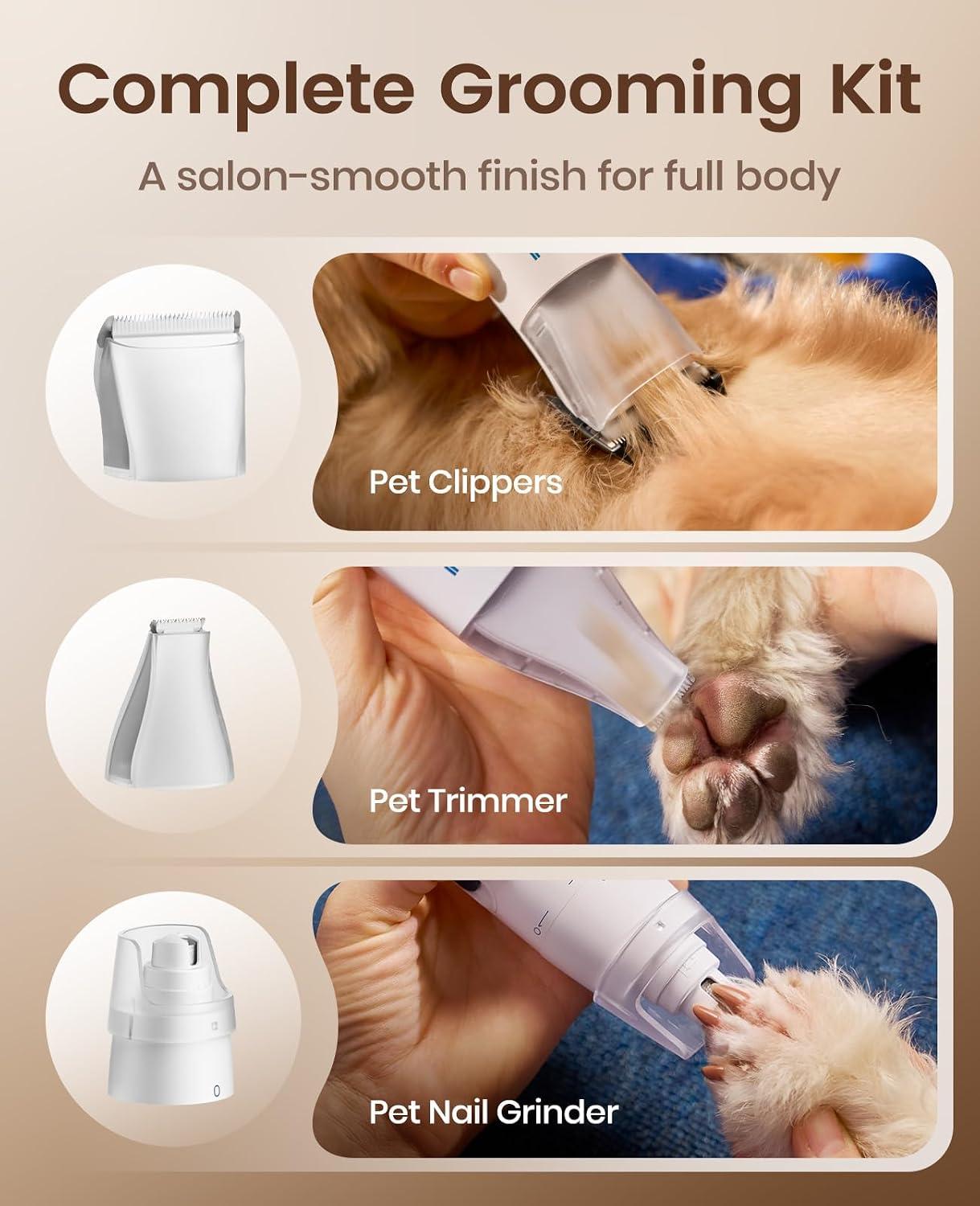
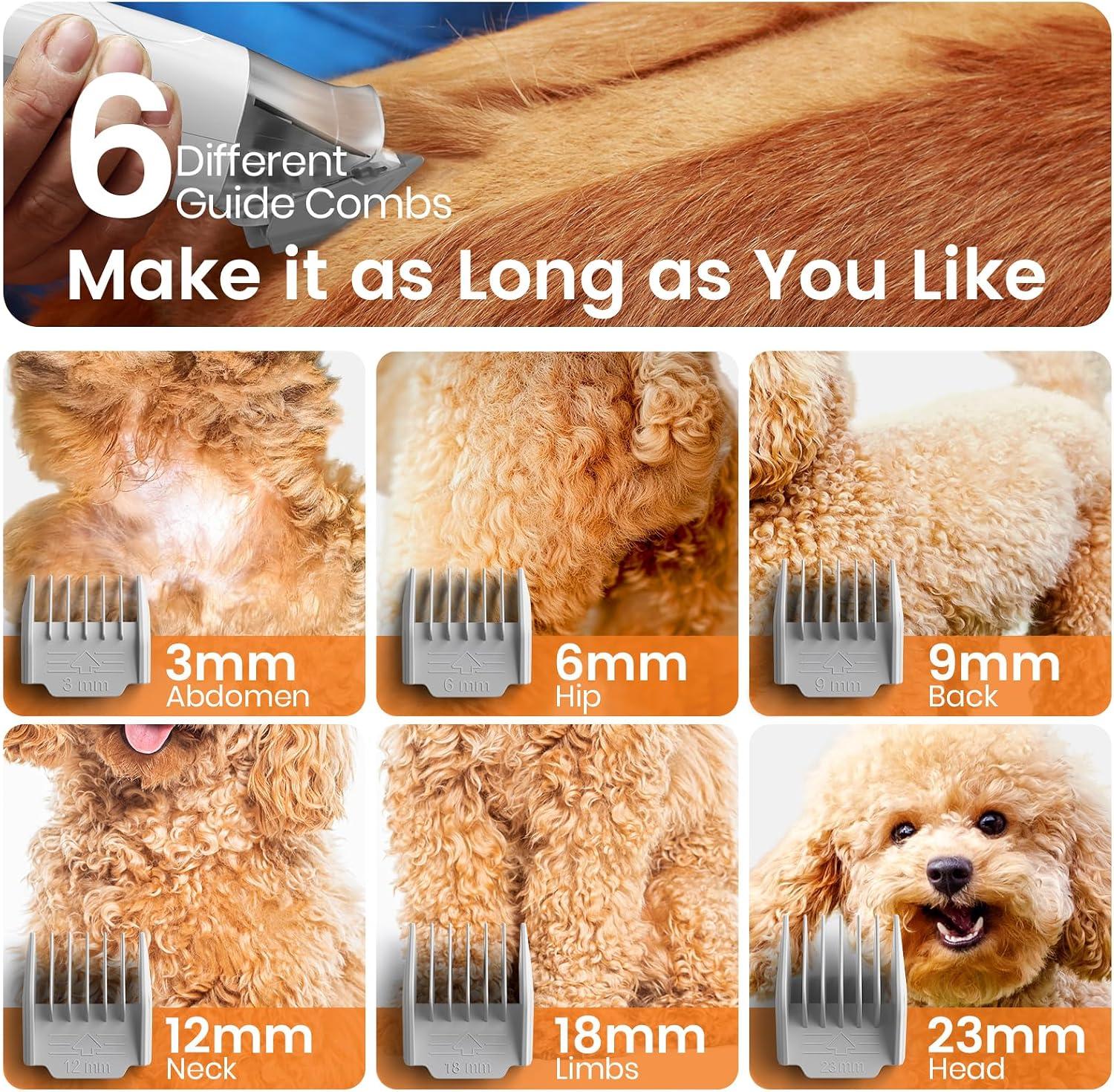
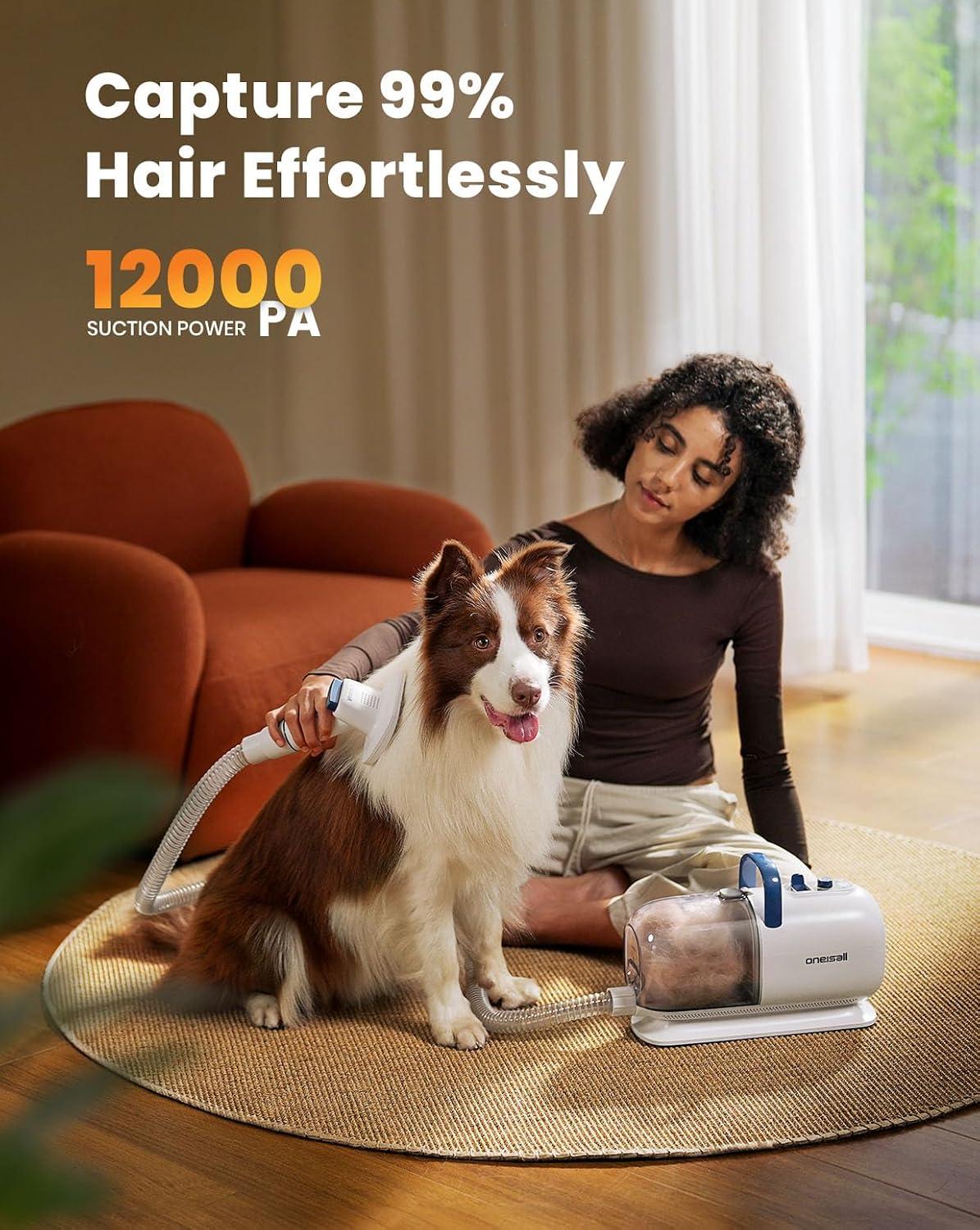
Yes, look for grooming tools designed to be quiet or gentle, such as low-noise clippers and soft-bristled brushes. grooming vacuum kits that help reduce mess and minimize stress are another great option. Investing in quality products tailored to sensitive dogs can make a significant difference during grooming.
Conclusion
Handling a dog that hates grooming takes patience, understanding, and the right approach. By breaking the process into smaller, manageable steps and using positive reinforcement, you can help your dog feel more comfortable and reduce anxiety around grooming. Remember that every dog is different; some may need more time and support than others.
With consistent effort and the right tools,grooming can evolve into a peaceful,stress-free experience that strengthens the bond between you and your furry companion. Stay calm, be gentle, and celebrate the small victories along the way for a happier, healthier dog grooming routine.