Introduction
Constipation in dogs is a common digestive issue that can cause discomfort and distress for your furry companion. As a responsible dog owner, it’s essential to recognize the signs and understand how to address this problem promptly and effectively. While sometimes occasional constipation can resolve on its own, persistent issues require attention and care.
This blog post will guide you through natural, safe, and effective home remedies to treat dog constipation. By implementing these remedies, you can definitely help promote healthy digestion, improve your dog’s bowel movements, and avoid unnecessary trips to the vet.
Understanding Dog Constipation and Why Natural Remedies Matter
Dog constipation occurs when your dog‘s bowel movements become infrequent or challenging to pass. This condition can stem from a variety of causes such as dehydration, lack of fiber, sedentary lifestyle, ingestion of indigestible materials, or underlying health issues. Signs of constipation include straining during defecation, hard and dry stools, decreased appetite, and lethargy.
Natural remedies are often the best first steps to relieve constipation because they work gently with your dog’s body.Unlike some harsh medications, natural treatments typically have fewer side effects and can improve overall digestive health. Moreover, addressing constipation naturally can prevent more serious complications such as anal gland issues or intestinal blockages.
Hydration and Diet: The Cornerstones of Relieving Constipation
one of the most critical factors in treating and preventing dog constipation is ensuring your pet stays properly hydrated. Water softens the stool and promotes smooth passage through the intestines. Encourage your dog to drink more water by providing fresh, clean bowls and offering ice cubes or broth as tasty alternatives. especially during warm weather or after physical activity, extra hydration can make a critically important difference.
Diet changes can also have a tremendous impact. Increasing fiber intake is a proven way to stimulate regular bowel movements. Adding natural fiber sources such as canned pumpkin (not the spiced pie filling), sweet potatoes, carrots, or green beans can support digestion and improve stool quality. Avoid table scraps that are high in fat or low in nutritional value, as these may worsen constipation.
Switching to high-quality dog food formulated with balanced fiber can also help. Consult with your veterinarian to select a diet appropriate for your dog’s age, breed, and health status.
Our Top Product Recommendations
Exercise and Routine: Supporting Healthy Digestion
Regular physical activity plays a vital role in maintaining healthy digestive function in dogs. Exercise stimulates intestinal movements and helps reduce constipation. Daily walks, playtime, and even gentle stretching exercises can encourage your dog to have smoother bowel movements.
Alongside exercise, establishing a consistent daily routine can promote regular bathroom habits. Taking your dog outside at the same times every day reduces stress-related digestive issues. Sometimes, dogs may hold their stool if they’re anxious or unsure about bathroom locations. Patience and positive reinforcement during potty training times can improve their comfort level and bowel regularity.
If your dog struggles with constipation frequently despite diet and exercise changes, monitor their hydration and bathroom patterns, and consult your veterinarian if necessary.
Natural Supplements and Remedies to Ease Constipation
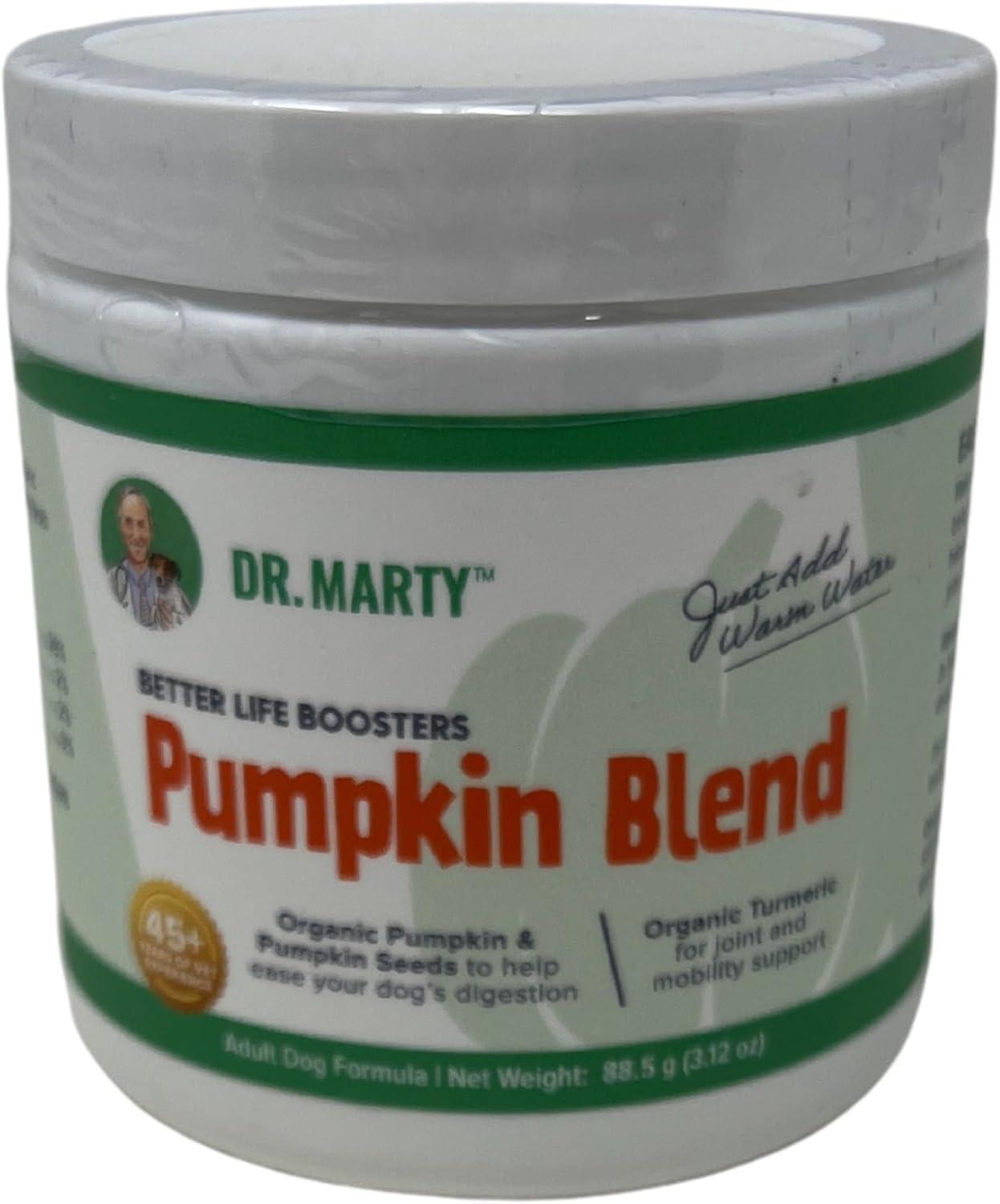
Several natural supplements can be safely added to your dog’s diet to relieve constipation gently. Pumpkin puree is one of the most popular home remedies due to its high fiber content and digestive benefits. It also contains moisture to help soften stools. Adding one to two teaspoons to your dog’s meal a few times a day can promote bowel movements.
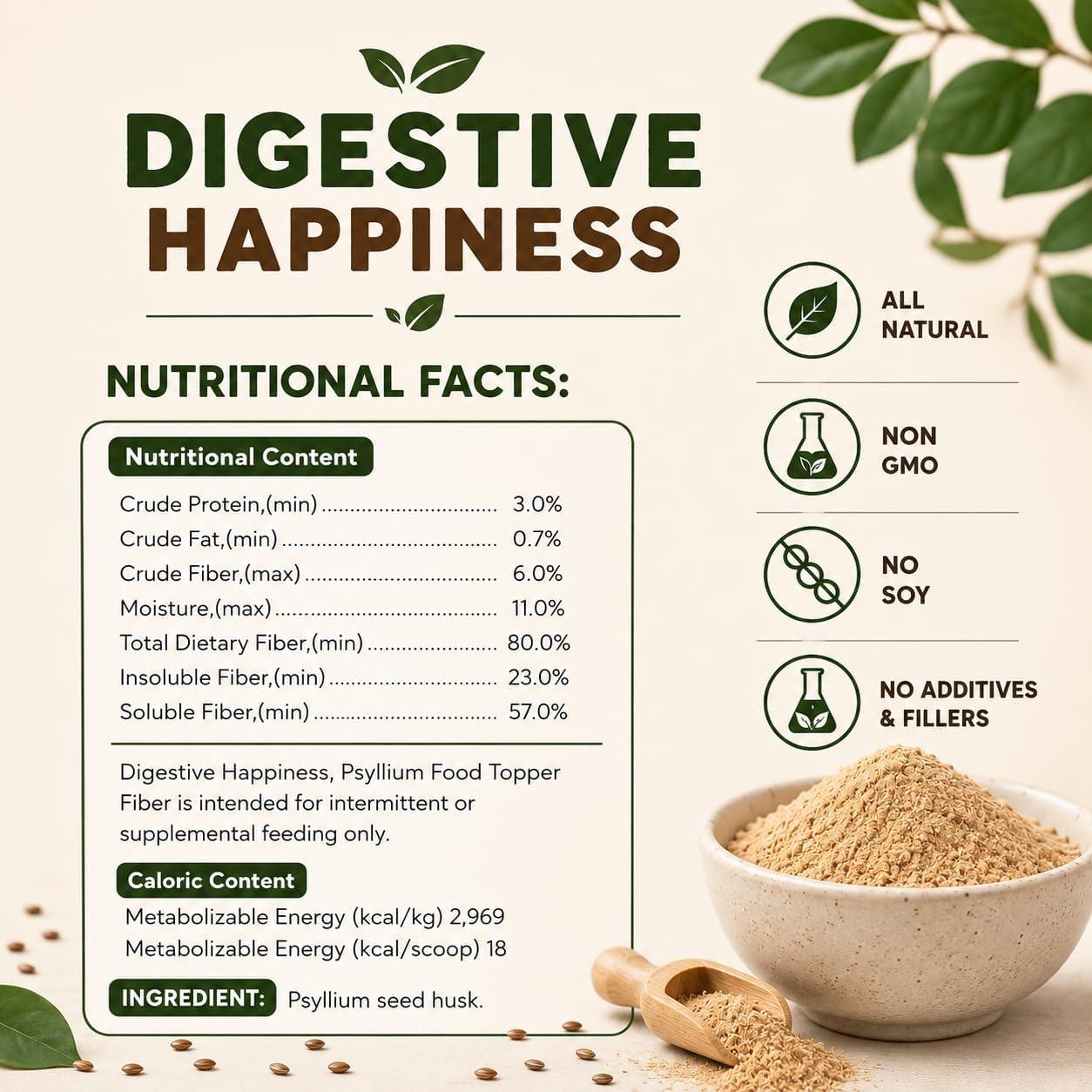
Psyllium husk powder is another effective supplement that acts as a soluble fiber, enhancing stool bulk and softness. It should be given with ample water to avoid worsening constipation. Additionally, probiotics can support gut health by balancing the intestinal flora, aiding digestion, and preventing recurring constipation.
Always introduce supplements gradually and monitor your dog’s response. When in doubt, your veterinarian can advise on the best natural options based on your dog’s specific needs and health profile.
Frequently Asked Questions
What are the common signs that my dog is constipated?
Common signs include straining or difficulty when trying to defecate,producing small or hard stools,reduced frequency of bowel movements,discomfort while sitting or walking,and sometimes decreased appetite or lethargy.
how much pumpkin should I give my dog for constipation?
Generally, 1 to 2 teaspoons of plain canned pumpkin per meal for small dogs and up to 1 to 2 tablespoons for larger dogs is effective. Always use plain pumpkin puree, not pie filling or seasoning, and consult your vet for the best dosage for your pet.
When should I see a veterinarian for my dog’s constipation?
If your dog has not had a bowel movement for more then two days, shows signs of pain or vomiting, or if home remedies do not improve the condition, it’s crucial to seek veterinary care. Chronic constipation can indicate underlying health issues that require medical attention.
conclusion
Dog constipation is a manageable condition that can frequently enough be improved through natural home remedies focused on diet, hydration, exercise, and supplements. By providing a high-fiber diet, encouraging water intake, maintaining an active lifestyle, and using proven supplements like pumpkin or psyllium husk, you can definitely help your dog stay comfortable and healthy.
Always pay close attention to your dog’s symptoms, and do not hesitate to consult your veterinarian if constipation persists or worsens. With proper care and attention,most dogs can overcome constipation naturally and continue to thrive.