Introduction
Hip dysplasia is a common orthopedic condition in dogs that can significantly affect their mobility and overall quality of life. This condition occurs when the hip joint doesn’t form properly, leading to joint instability, pain, and arthritis over time. As a dog owner, learning how to help yoru dog with hip dysplasia can make a significant difference in reducing discomfort and improving their movement.
Fortunately, there are several effective approaches to managing hip dysplasia that can enhance your dog’s comfort and keep them active. From lifestyle adjustments and supplements to therapeutic exercises and specialized bedding,dog owners have numerous options to support their pets. This guide aims to provide practical tips and insights for nurturing your dog’s hip health and helping them maintain better mobility.
Understanding Hip Dysplasia and Its Impact on Your Dog
Hip dysplasia mainly affects the hip joint,which is a ball-and-socket joint connecting the thigh bone to the pelvis. In dogs with hip dysplasia, this joint fails to develop normally, causing looseness and abnormal wear. Over time, this leads to inflammation, pain, and degenerative joint diseases such as arthritis.
Signs of hip dysplasia can vary widely, but common symptoms include difficulty rising, reluctance to jump or run, limping, and noticeable stiffness, especially after rest or exercise. Early diagnosis by a veterinarian is important to create an effective management plan. Understanding the condition helps owners take proactive steps to support their dog’s well-being.
lifestyle Changes to Support Your Dog’s Hip Health
Helping a dog with hip dysplasia starts with adjusting their daily routine to reduce stress on the hips while promoting gentle activity.Maintaining a healthy weight is critical as excess weight puts additional strain on weakened joints. A balanced diet with controlled calorie intake helps prevent obesity and supports joint health.
Regular low-impact exercises such as swimming or leash walking can help maintain muscle strength and joint flexibility, which are essential for stability. Avoid high-impact activities like jumping or running on hard surfaces,as these can exacerbate discomfort and joint damage. Creating a safe, pleasant home surroundings with ramps, non-slip mats, and orthopedic bedding can also contribute to your dog’s comfort and mobility.
effective Treatments and Supplements for Hip Dysplasia
Veterinary care often includes medications to manage pain and inflammation caused by hip dysplasia. Non-steroidal anti-inflammatory drugs (NSAIDs) are commonly prescribed to alleviate discomfort and improve joint function. Additionally, some dogs benefit from physical therapy or hydrotherapy to enhance muscle tone and reduce stiffness.
Joint supplements containing glucosamine, chondroitin, and omega fatty acids can promote cartilage repair and reduce inflammation. These supplements play a supportive role alongside other treatments and lifestyle adaptations. Surgical options may be considered in severe cases, but many dogs achieve good quality of life through conservative management.
Our Top Product Recommendations
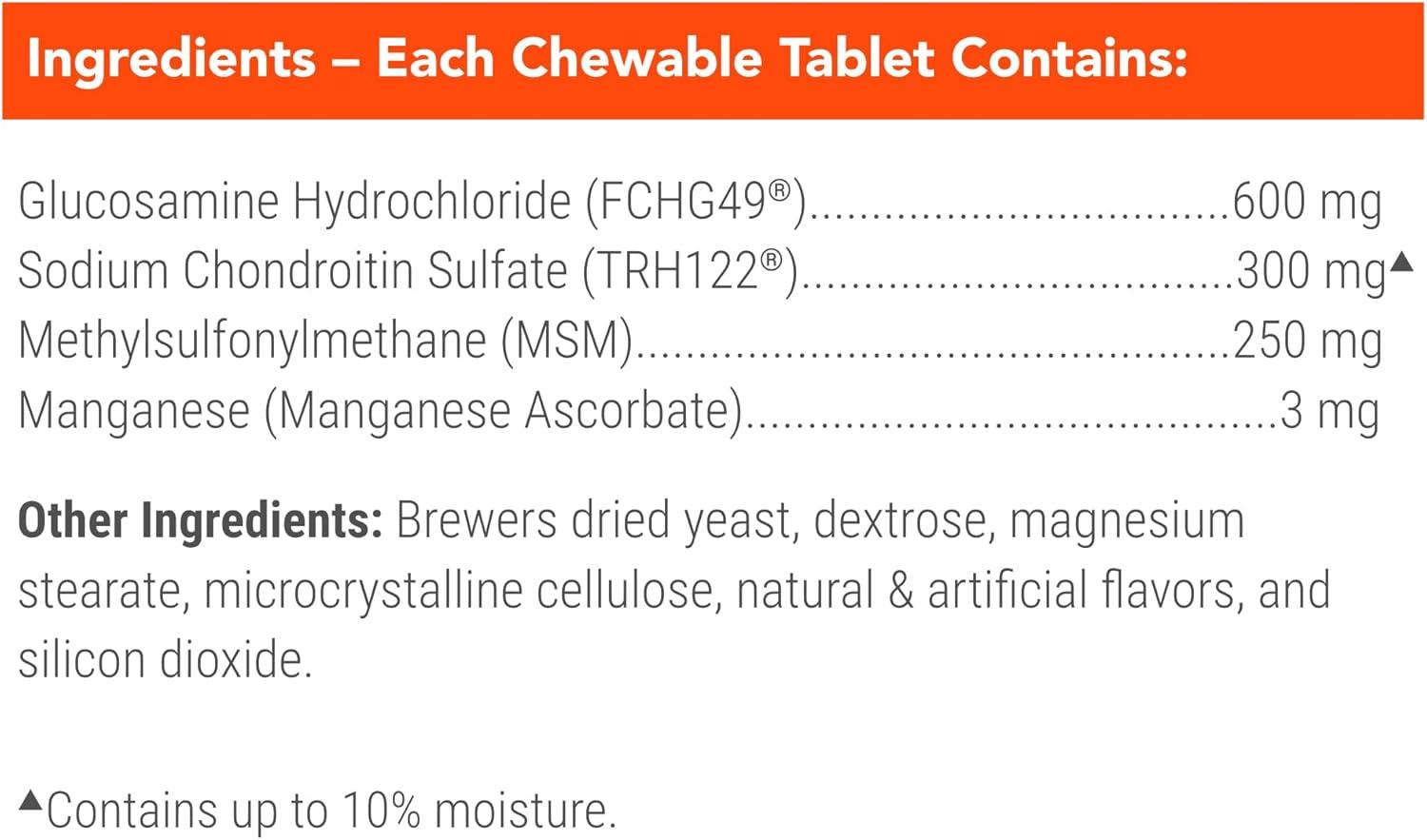
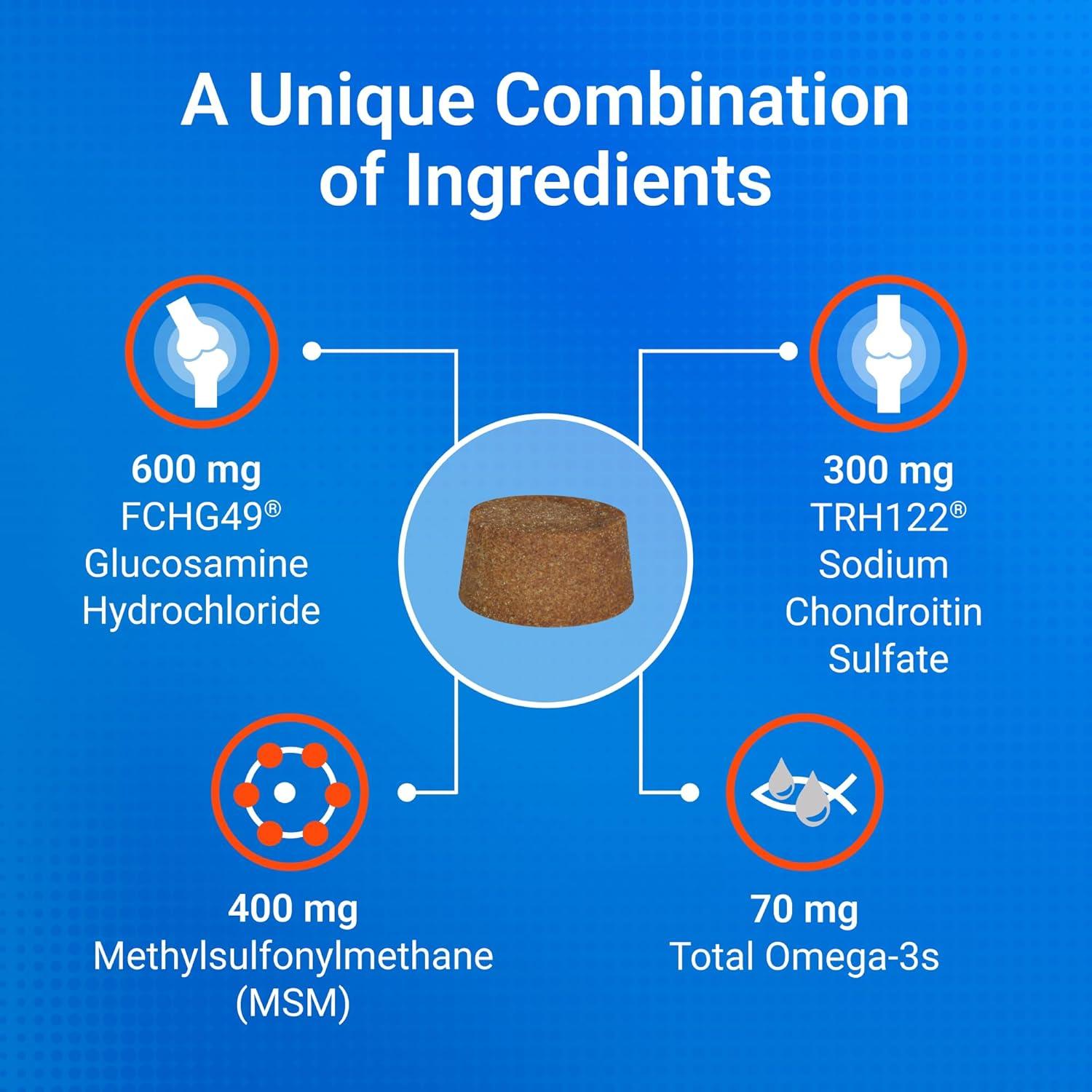
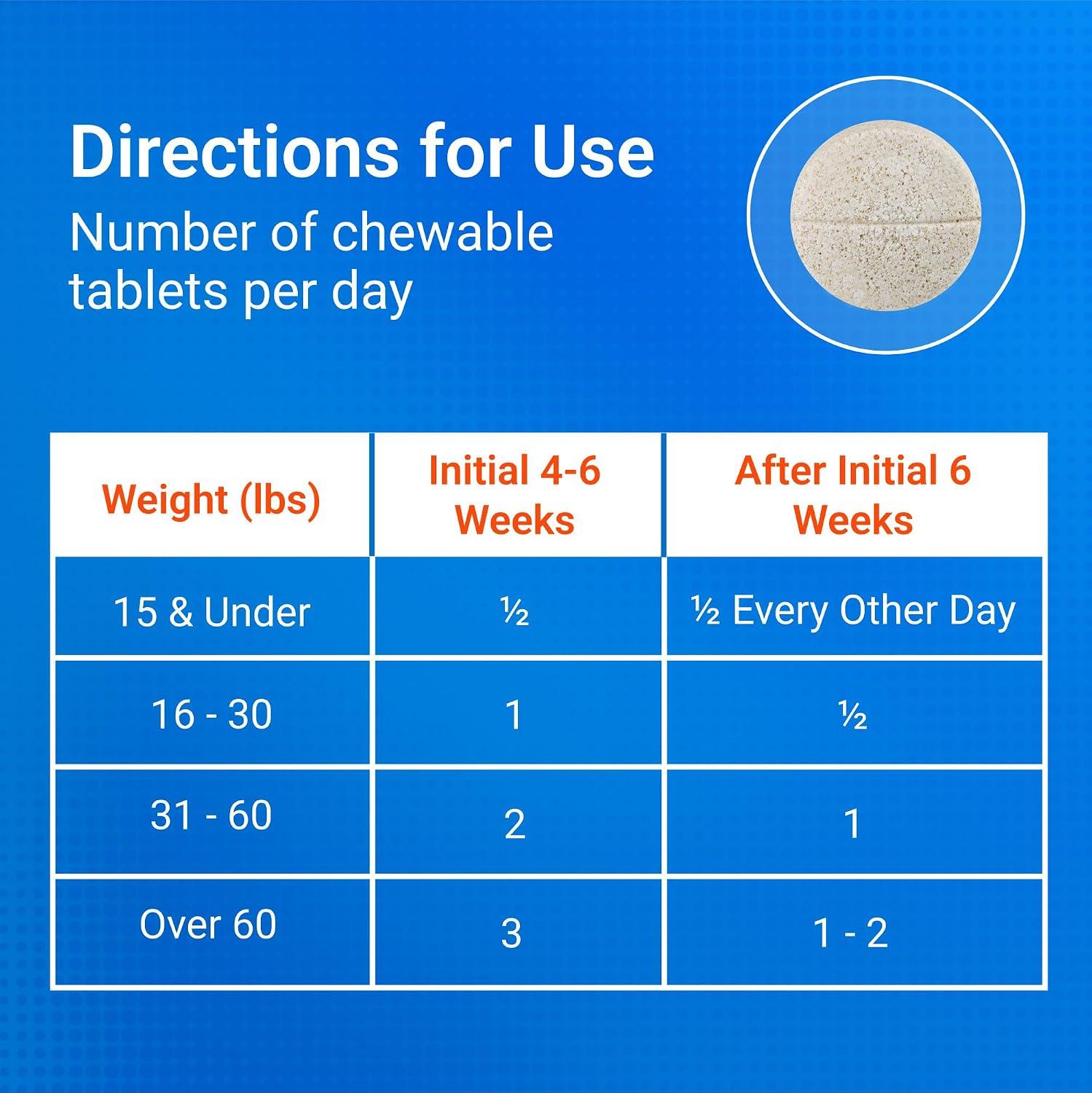
Physical Therapy and Choice Approaches
Physical therapy for dogs with hip dysplasia can be highly effective in improving joint function and reducing pain. Sessions with a certified canine physical therapist may include targeted exercises,massage,and stretching to increase range of motion and strengthen surrounding muscles. Hydrotherapy, which involves swimming or underwater treadmill exercises, is especially beneficial as it allows dogs to exercise without putting weight on painful joints.
acupuncture and chiropractic care are alternative treatments that some dog owners consider to help reduce inflammation and improve mobility. While more research is needed to confirm their effectiveness in dogs with hip dysplasia, many report noticeable improvements in comfort and activity after these therapies.Always consult your veterinarian before pursuing alternative or complementary treatments to ensure they are safe and suitable for your dog’s specific condition.
Frequently Asked Questions
Can older dogs benefit from treatment for hip dysplasia?
Yes, older dogs can still see improvements in comfort and mobility with proper management, including pain relief, joint supplements, and physical therapy. Though the condition is chronic, interventions can slow progression and improve quality of life at any age.
Is surgery always necessary for dogs with hip dysplasia?
No, surgery is not always required. Many dogs respond well to conservative treatments such as weight control, exercise adjustments, pain medications, and supplements. Surgery may be recommended in severe or unmanageable cases.
How can I prevent hip dysplasia in my dog?
While genetics play a critically important role, responsible breeding practices help reduce the risk. Feeding a balanced diet, maintaining a healthy weight, and avoiding excessive high-impact activities during puppyhood can also help support healthy joint development.
Conclusion
Helping a dog with hip dysplasia requires a combination of informed care, thoughtful lifestyle changes, and sometimes medical intervention. By maintaining a healthy weight, encouraging safe exercise, using supplements, and seeking veterinary guidance, owners can substantially improve their dog’s mobility and comfort. With patience and commitment, your dog can enjoy a happier, more active life despite this challenging condition.
Remember that every dog is unique, so monitoring their response to treatments and staying in close contact with your veterinarian will ensure the best outcomes. Providing love, support, and attention to your dog’s needs can make all the difference in helping them thrive with hip dysplasia.