
Introduction
Every dog owner wants their furry friend to live a happy and healthy life, but sometimes our beloved pets may experience pain without being able to clearly communicate it.Recognizing when a dog is in pain is essential for timely care and intervention, which can improve their comfort and prevent more serious health problems from developing. Understanding the signs and symptoms of pain in dogs allows owners to act quickly and seek veterinary attention when necessary.
Dogs can endure pain silently, so knowing how to read their behaviour and physical cues is crucial. This blog post will guide you through the common signs and symptoms indicating that your dog might potentially be in pain. With this knowledge, every pet owner can become more attentive and responsive to their dog’s needs, fostering a stronger bond and ensuring the best quality of life for their four-legged companions.
Recognizing Behavioral Changes: How to Tell If Your Dog Is in Pain
One of the primary ways dogs communicate discomfort is through changes in their behavior. When a dog is in pain, it may act differently than usual due to feeling stressed, scared, or uneasy. Observing your dog’s daily habits and noting any deviations can provide strong clues about their condition.
Common behavioral signs of pain include increased irritability, withdrawal from family members, or reluctance to engage in activities they once enjoyed. you might notice your dog becoming unusually quiet, hiding in corners, or refusing to play or go for walks. Alterations in sleeping patterns, such as increased restlessness or excessive lying down, can also be indicators of discomfort.
If your dog seems more aggressive or growls when touched in certain areas, this can signal localized pain. Vocalizations such as whining, whimpering, or howling are additional behavioral symptoms that point toward distress. Paying attention to these subtle behavioral cues is the first step in identifying pain in your dog.
Physical Symptoms That Signal Your Dog might potentially be Hurting
Besides behavioral changes, there are several physical signs that may indicate that a dog is experiencing pain. These signs tend to be more apparent and often require monitoring for confirmation.
Look for limping, favoring one limb, or stiffness when your dog moves, especially after resting. Shaking or trembling can also be a response to pain. Besides mobility, your dog’s posture can provide clues; for example, a hunched back or reluctance to lie down may mean they are trying to avoid discomfort.
Other noticeable symptoms include changes in appetite, excessive licking or biting on a specific body part, and visible swelling or bruising. Eye changes like squinting or redness may be linked to pain as well. in some cases, dogs may pant excessively even when not active, which can be a stress response related to pain or illness.
Our Top Product Recommendations
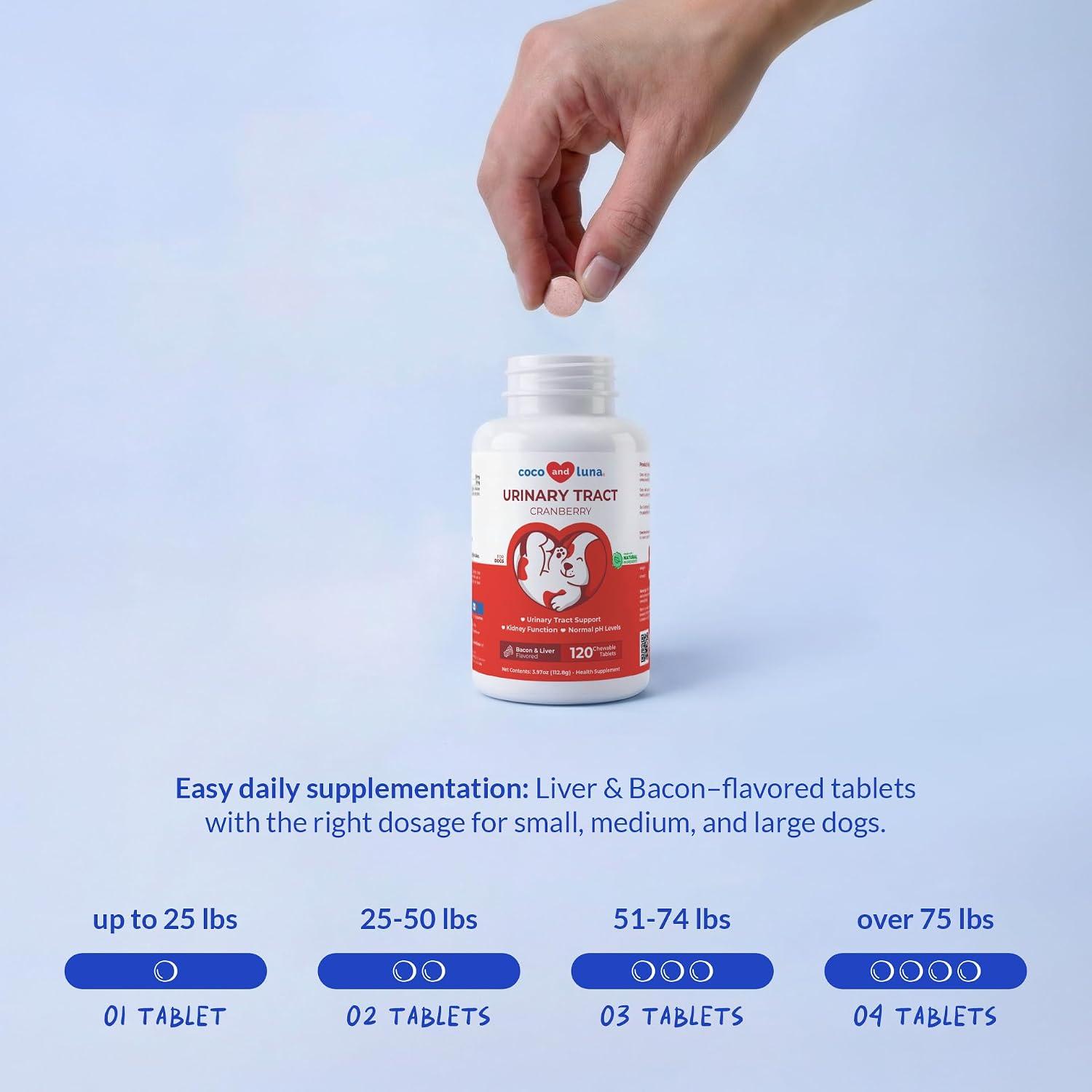
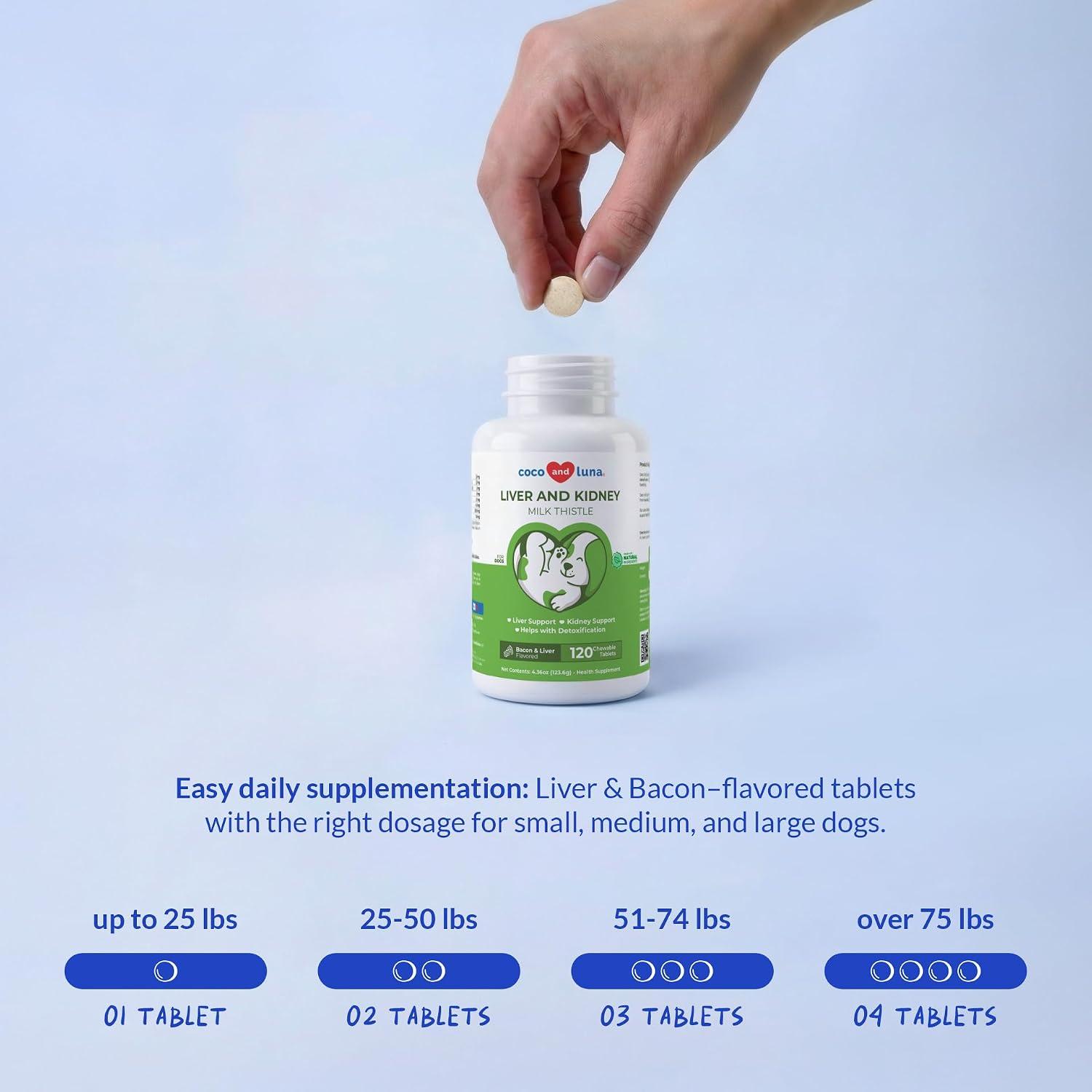

Understanding Chronic vs. Acute Pain in Dogs
Knowing whether your dog is experiencing acute or chronic pain can help you understand the urgency and type of treatment needed. Acute pain typically occurs suddenly due to injury, surgery, or infection and usually lasts for a short period before healing begins.
Chronic pain, on the other hand, is persistent and can last for months or even years. Common causes include arthritis, dental disease, or degenerative conditions. Dogs in chronic pain may show ongoing signs such as consistent limping or difficulty jumping, and these symptoms may worsen over time.
Both types of pain require veterinary evaluation, but chronic pain frequently enough demands long-term management with medications, supplements, and lifestyle changes. Owners should maintain open interaction with their vet and monitor their dog’s condition carefully to adjust care strategies as needed.
Frequently Asked Questions
how can I safely check if my dog is in pain?
Gently observe your dog’s behavior and physical signs without forcing them into uncomfortable positions.You can carefully examine areas for swelling, sensitivity, or wounds, but if your dog shows aggression or withdrawal, stop and seek professional help. Using calm, reassuring tones and slow movements can make your dog more cozy during checks.
when should I visit a vet if I suspect my dog is in pain?
if your dog exhibits persistent changes in behavior or physical symptoms such as limping, vomiting, loss of appetite, or vocalizing pain, it’s critically important to visit a vet promptly. Immediate care is especially vital if the pain follows an injury or appears severe, as early diagnosis leads to better outcomes.
Are there home remedies to relieve my dog’s pain?
While some gentle supportive measures like providing a comfortable resting area and limiting strenuous activity may help, it’s crucial not to give human pain medications to dogs. Always consult your vet before using supplements or alternative therapies, as dogs have specific medical needs and risks associated with treatments.
Conclusion
Recognizing the signs and symptoms of pain in dogs empowers pet owners to provide timely care and improve their dog’s quality of life. By paying attention to behavioral and physical changes,you can identify discomfort early and seek proper veterinary treatment. Remember, your dog depends on you to notice when something is wrong and to act as their advocate.
being proactive about your dog’s health and well-being promotes a joyful, active life for your furry companion. With the right knowledge and prompt action, you can definitely help reduce pain and keep your dog comfortable and happy for years to come.