Introduction
Dog shedding is a natural process where your furry friend loses old or damaged hair to make way for new growth. While it’s perfectly normal, excessive shedding can quickly turn your home into a fluffy mess and sometimes be a sign of underlying health issues. For dog owners, managing shedding effectively is crucial to maintaining a clean living space and ensuring your pet stays comfortable.
In this guide, we’ll explore a variety of practical tips and solutions on how to deal with dog shedding at home. From grooming techniques to lifestyle adjustments and product recommendations, you’ll find everything you need to keep your dog’s shedding under control and your home spotless.
Effective Grooming techniques to Reduce Shedding
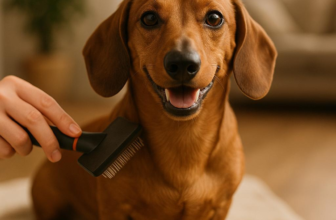
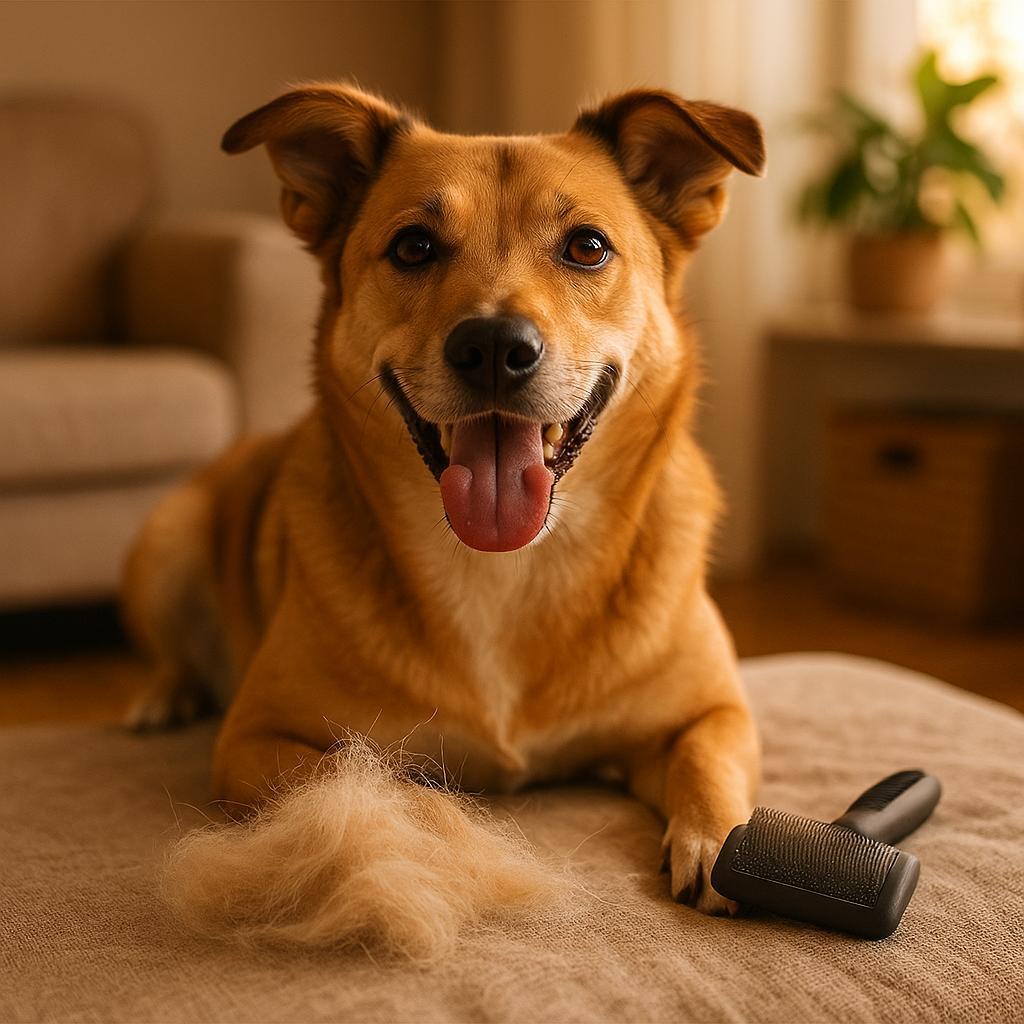
Regular grooming is the cornerstone of managing dog shedding. Brushing your dog’s coat frequently helps remove loose fur before it ends up on your furniture and floors. The type and frequency of brushing largely depend on your dog’s breed and coat type. for example, double-coated breeds like Golden Retrievers and Huskies tend to shed more and require daily brushing with an undercoat rake or de-shedding tool.
Besides brushing, bathing your dog properly can help reduce shedding as well.Using a moisturizing dog shampoo can keep the skin healthy, reducing dryness and flaking that often contribute to shedding. Avoid over-bathing, which can strip natural oils and exacerbate hair loss. Aim for a bath every 4-6 weeks or as recommended by your vet.
Don’t forget to trim your dog’s nails and clean their ears during grooming sessions. While these don’t directly affect shedding, they contribute to overall health and comfort, making grooming easier and your dog more cooperative.
Nutrition and Habitat: Supporting Your Dog’s Coat Health
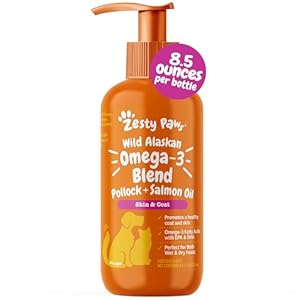
Proper nutrition plays a vital role in minimizing dog shedding. A balanced diet rich in omega-3 and omega-6 fatty acids promotes healthy skin and shiny coats. Essential nutrients such as vitamins A,E,and zinc also support fur strength and growth. If your dog’s diet is lacking, consider supplements designed for coat health after consulting your veterinarian.
Environmental factors including humidity and cleanliness can impact shedding. Dry air can cause your dog’s skin to flake and shed more, so using a humidifier during winter months might help maintain skin moisture. Additionally, regular vacuuming and cleaning reduce the accumulation of pet hair in your home, making shedding less noticeable.
Stress and allergies are other hidden causes of excessive shedding.Creating a calm environment and identifying any allergens affecting your dog can significantly reduce hair loss.If you suspect allergies, discuss with a vet about suitable allergy testing or treatments.
Our Top Product recommendations



Cleaning and Maintenance Tips to Manage Shed Hair
Aside from grooming your dog regularly, maintaining a clean and hair-free home is essential when dealing with shedding. Using vacuum cleaners equipped with HEPA filters or pet hair attachments can efficiently pick up hair embedded in carpets,rugs,and upholstery. Regular vacuuming sessions, especially in high-traffic dog areas, reduce the buildup of loose fur and dander.
Furniture covers and washable blankets on your dog’s favorite spots are practical solutions. These can be removed and cleaned frequently to keep shedding under control. Additionally, lint rollers and pet hair removal brushes are handy tools for quick touch-ups on clothing and soft furnishings.
Wash your dog’s bedding often to minimize the spread of hair and allergens. Using gentle, pet-safe detergents prevents skin irritation while keeping the bedding fresh. Lastly, investing in air purifiers with pet-specific filtration also helps reduce airborne pet hair and saliva particles, improving your home’s air quality.
Frequently Asked Questions
How often should I brush my dog to reduce shedding?
The frequency depends on your dog’s breed and coat type. Short-haired dogs typically benefit from brushing once or twice a week, while long-haired and double-coated dogs often need daily brushing to effectively manage shedding.
Can diet really affect how much my dog sheds?
Yes, a balanced diet rich in essential fatty acids like omega-3s and omega-6s supports healthy skin and coat. Poor nutrition can lead to dry skin and excessive shedding, so providing high-quality dog food or supplements can improve coat condition.
Is excessive shedding a sign of a health problem?
while shedding is normal, sudden or excessive hair loss may indicate health issues such as allergies, parasites, hormonal imbalances, or skin infections. If you notice bald patches, itching, or skin irritation, consult your veterinarian for proper diagnosis and treatment.
Conclusion
Managing dog shedding at home requires a combination of regular grooming, proper nutrition, and maintaining a clean environment. By adopting these effective tips and investing in quality products, you can keep shedding under control and enjoy a comfortable, fur-free living space alongside your beloved pet. Remember, a healthy coat starts with good overall care, so pay attention to your dog’s skin and health to minimize shedding naturally.
With patience and consistency,dealing with dog shedding becomes much easier – making life at home more pleasant for both you and your furry companion.