
Introduction
Skin allergies are a common and frustrating issue for many dogs,causing discomfort,itching,and irritation. As a caring dog owner, one of the best ways to help soothe your petS itchy skin is by addressing their diet.The right dog food can make a significant difference in reducing allergic reactions and promoting healthier skin and coat.
In this blog post, we will explore the best dog food options specifically formulated to combat skin allergies. You’ll learn about key ingredients to look for, the benefits of specialized diets, and our top product recommendations.Whether your furry friend is dealing with mild irritation or chronic allergies, this guide is designed to help you make informed choices to support their skin health.
Understanding Skin Allergies in Dogs and the Role of Diet
Skin allergies in dogs can stem from various causes, including environmental factors like pollen or dust mites, flea bites, and importantly, food allergies. Food-related skin allergies often manifest as itching, redness, hair loss, and inflammation. Identifying and eliminating allergenic ingredients in your dog’s diet is critical to minimizing these symptoms.
The dog’s diet plays a pivotal role because certain proteins, grains, or additives in commercial dog foods can trigger allergic reactions. By selecting hypoallergenic or limited-ingredient foods, you reduce the likelihood of exposure to problematic allergens. Furthermore, diet affects your dog’s immune system and skin barrier function, meaning better nutrition can directly improve skin resilience and comfort.
Key ingredients to Look For in dog Food for Skin Allergies
Choosing the best dog food for skin allergies involves understanding which ingredients support skin health and which may trigger reactions. Limited ingredient diets are often recommended as they contain fewer components, allowing easier identification and exclusion of allergens.
Essential nutrients that support skin healing and reduce inflammation include omega-3 and omega-6 fatty acids, which commonly come from fish oil or flaxseed. These fats help maintain skin moisture and decrease itchiness. Additionally, high-quality novel protein sources such as duck, venison, or lamb can be less likely to cause allergies compared to traditional proteins like chicken or beef.
It’s equally vital to avoid artificial preservatives, colors, and fillers that can irritate sensitive dogs. Grain-free options might benefit dogs allergic to common grains, but it’s best to consult your vet for personalized advice.
Our Top Product Recommendations
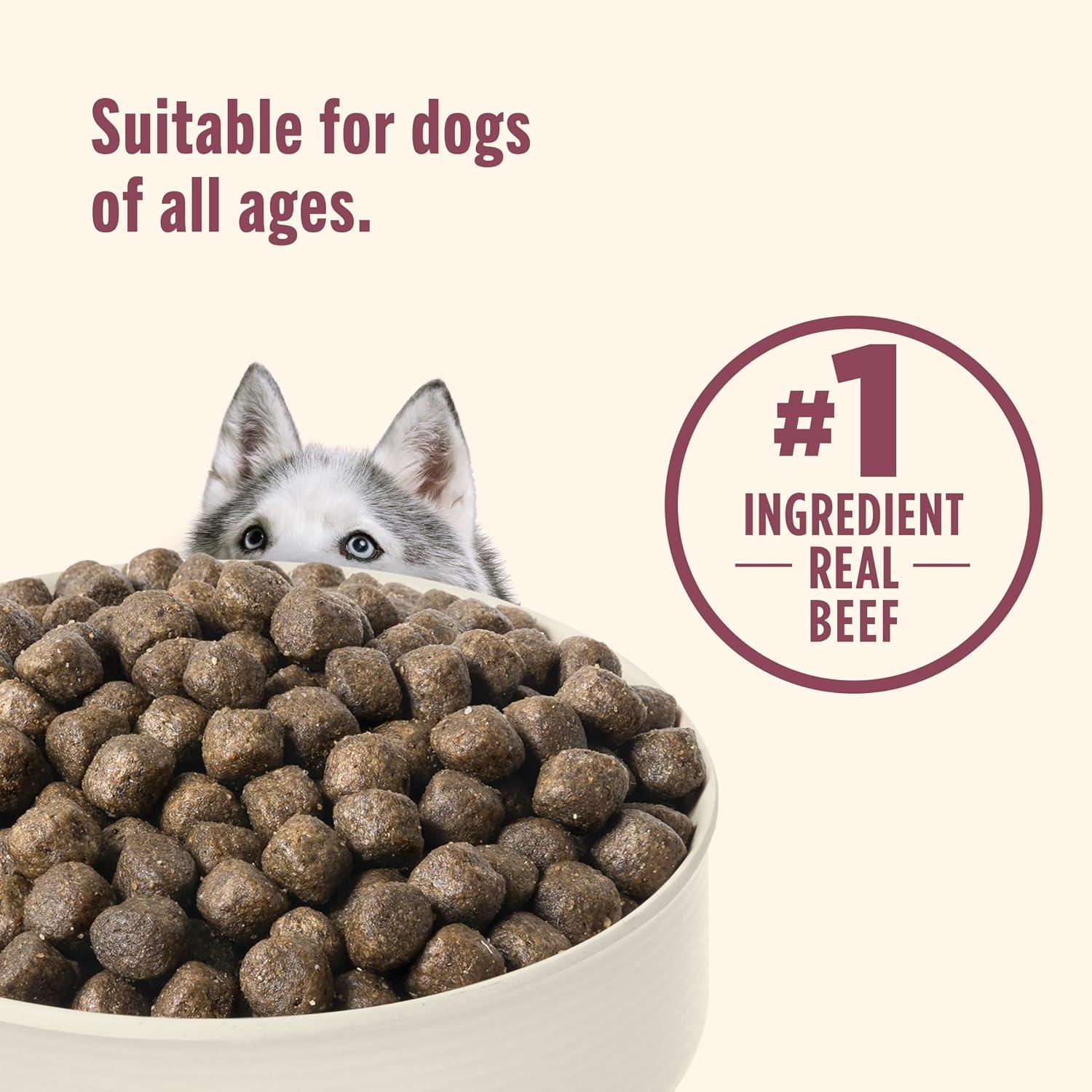
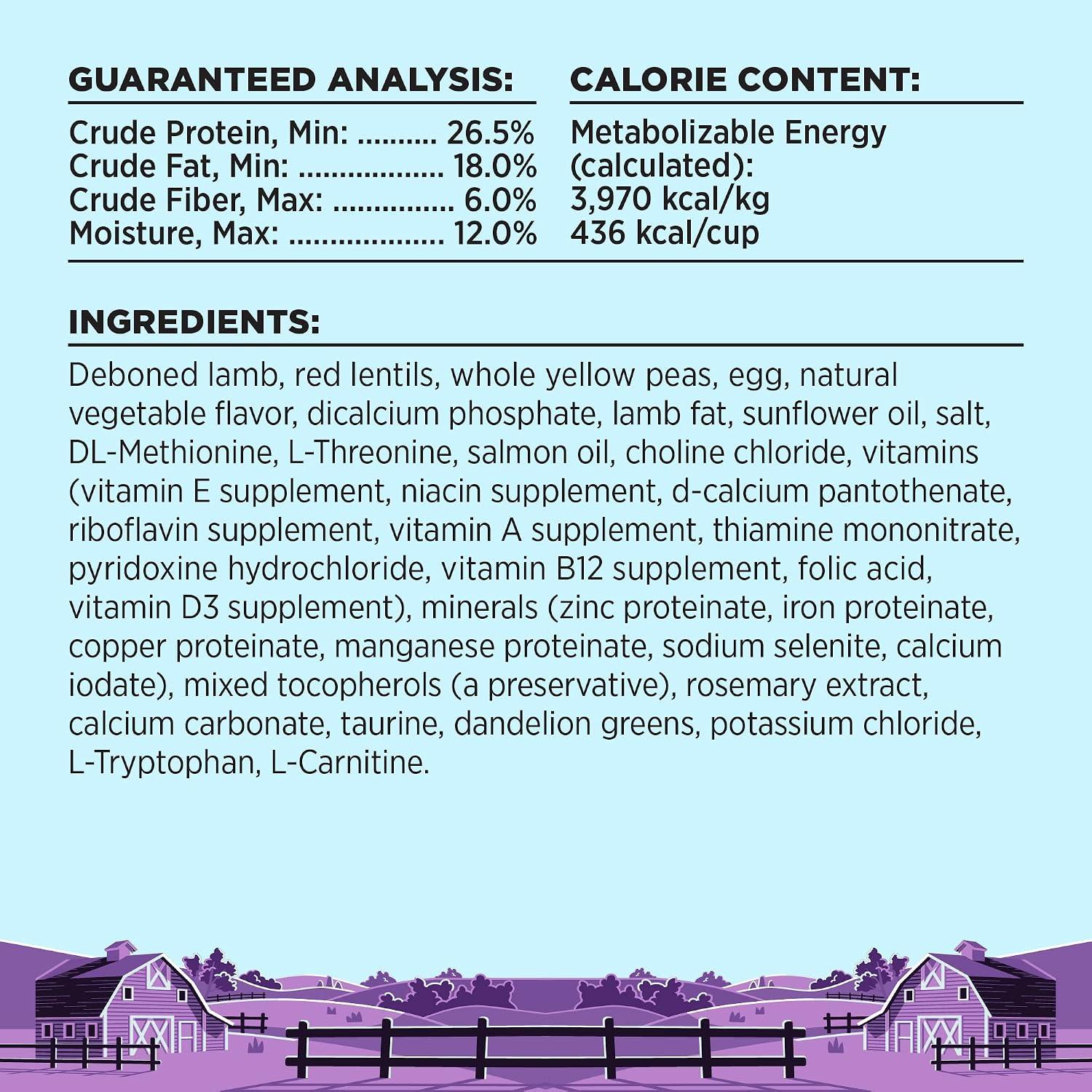
How to Transition Your Dog to a New Allergy-Friendly Food
When switching your dog’s food to an allergy-friendly option, it’s essential to do so gradually to avoid digestive upset. Begin by mixing a small portion of the new food with your dog’s current diet. Over the next 7-10 days, slowly increase the amount of new food while decreasing the old food until your dog is entirely transitioned.
During this period, monitor your dog’s skin condition and overall health. It’s normal to see some slight changes as their body adjusts, but if symptoms worsen or new issues arise, consult your veterinarian promptly. Patience is key – improving skin allergies through diet can take several weeks to months.
Consistency is also crucial. Avoid feeding treats or table scraps that could contain allergenic ingredients,which might negate the benefits of the new diet.
Frequently Asked Questions
Can a dog food allergy cause hair loss in my pet?
yes, food allergies can lead to itching and inflammation, which cause dogs to scratch or lick excessively.This behavior can result in hair loss, especially around the ears, paws, and belly.Addressing the underlying food allergy with the right diet often helps restore coat health.
Is grain-free dog food better for dogs with skin allergies?
Grain-free diets can benefit dogs allergic to grains such as wheat,corn,or soy. However,not all dogs with skin allergies need grain-free foods.Some may react to specific protein sources or additives instead. It’s best to work with your vet to determine the exact allergens affecting your dog.
How long does it take to see betterment after changing my dog’s food?
Improvements in skin allergies can take anywhere from 4 to 12 weeks depending on the severity of the allergy and the dog’s overall health. Consistent feeding of the new diet during this time is essential to see optimal results.
Conclusion
Choosing the best dog food for skin allergies is a proactive step toward soothing your pet’s itchy, uncomfortable skin. By focusing on limited ingredient diets with high-quality proteins and essential fatty acids, you provide the nutritional support your dog needs to heal and thrive. Remember, patience and gradual diet transitions, alongside regular veterinary consultations, will help ensure your dog experiences lasting relief.
Investing in the right food not only improves your dog’s skin and coat but also enhances their overall well-being – giving you both more happy, itch-free days together.