Introduction
Embarking on a raw dog food diet can be a rewarding journey for both you and your furry friend. More dog owners are turning to raw feeding as a way to provide their pets with natural, nutrient-dense meals that mimic what dogs would eat in teh wild. This diet, often referred to as BARF (Biologically Appropriate Raw Food), emphasizes raw meat, bones, fruits, and vegetables, offering potential health benefits like improved digestion, shinier coats, and enhanced energy levels.
However, many beginners find the transition into raw feeding overwhelming due to the many considerations around safety, balanced nutrition, and readiness. This guide will help you get started safely and effectively, ensuring your dog thrives on its raw food journey without any risks.
Understanding the Basics of a Raw Dog Food Diet
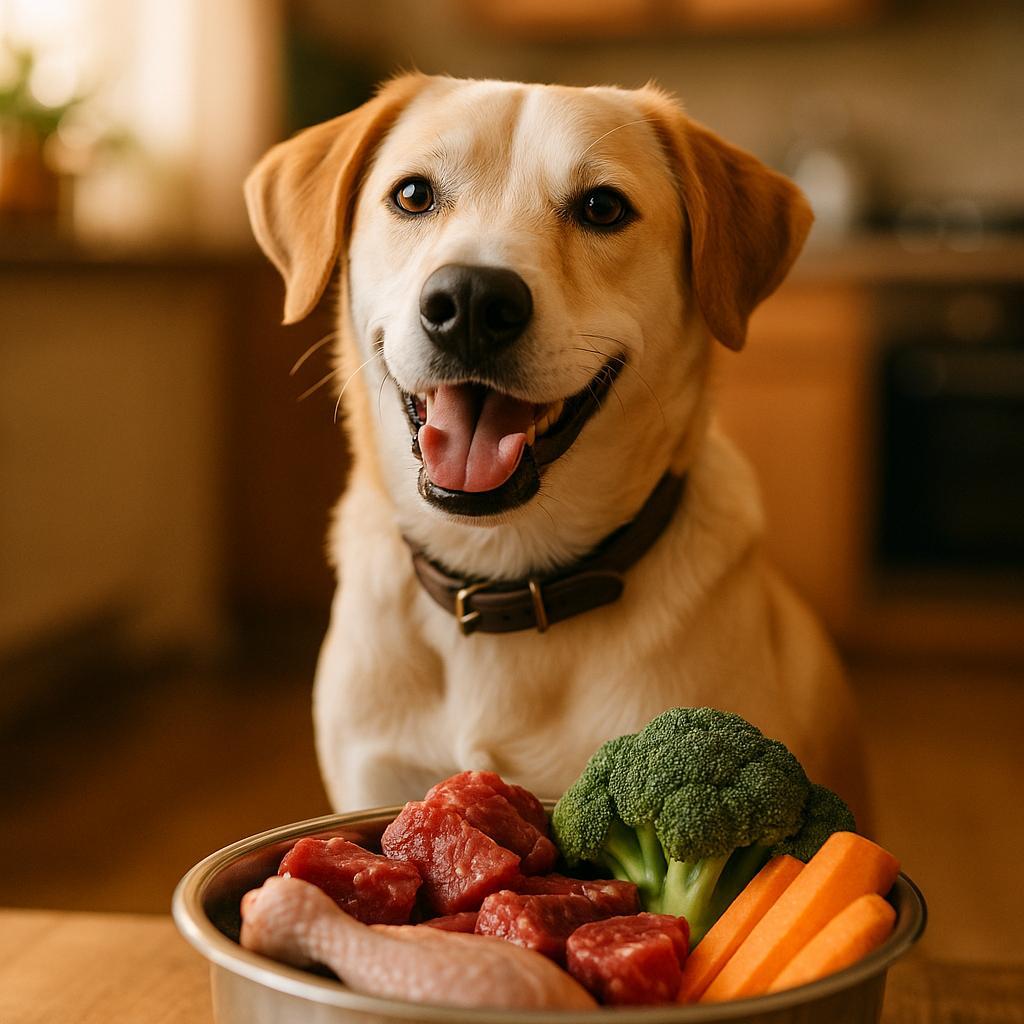
A raw dog food diet primarily consists of uncooked meat, bones, organ meats, along with fruits and vegetables. It aims to replicate a dog’s natural diet, providing enzymes and nutrients that can sometimes be lost during cooking.Unlike conventional kibble or canned food, raw feeding focuses on fresh, whole ingredients that meet your dog’s nutritional needs in their most natural form.
Before shifting to raw feeding, it’s essential to understand the different components that make up a balanced raw meal for dogs: muscle meat (providing protein), raw meaty bones (offering calcium and phosphorus), organ meats such as liver (rich in vitamins), and fresh produce for fiber and antioxidants. knowing these will help you formulate meals that keep your dog healthy and thriving.
How to Transition Your Dog to a Raw Food Diet Safely
Transitioning your dog safely onto a raw food diet involves a gradual switch to prevent digestive upset. Sudden changes can led to diarrhea or vomiting, which can be distressing for both dog and owner. Start by mixing a small amount of raw food with your dog’s current diet and gradually increase the ratio of raw food over 7 to 10 days.
During the transition, observe your dog’s response carefully-check their stool consistency, energy levels, and appetite. Some dogs might take longer to adjust than others. Patience and consistency are essential to ensure a successful switch to raw feeding.
Additionally, hygiene and food safety play a crucial role in raw feeding. Always handle raw meat with clean hands and utensils, store ingredients properly, and sanitize feeding bowls to reduce the risk of bacteria. Consult your veterinarian for guidance on supplements or specific adjustments tailored to your dog’s health status.
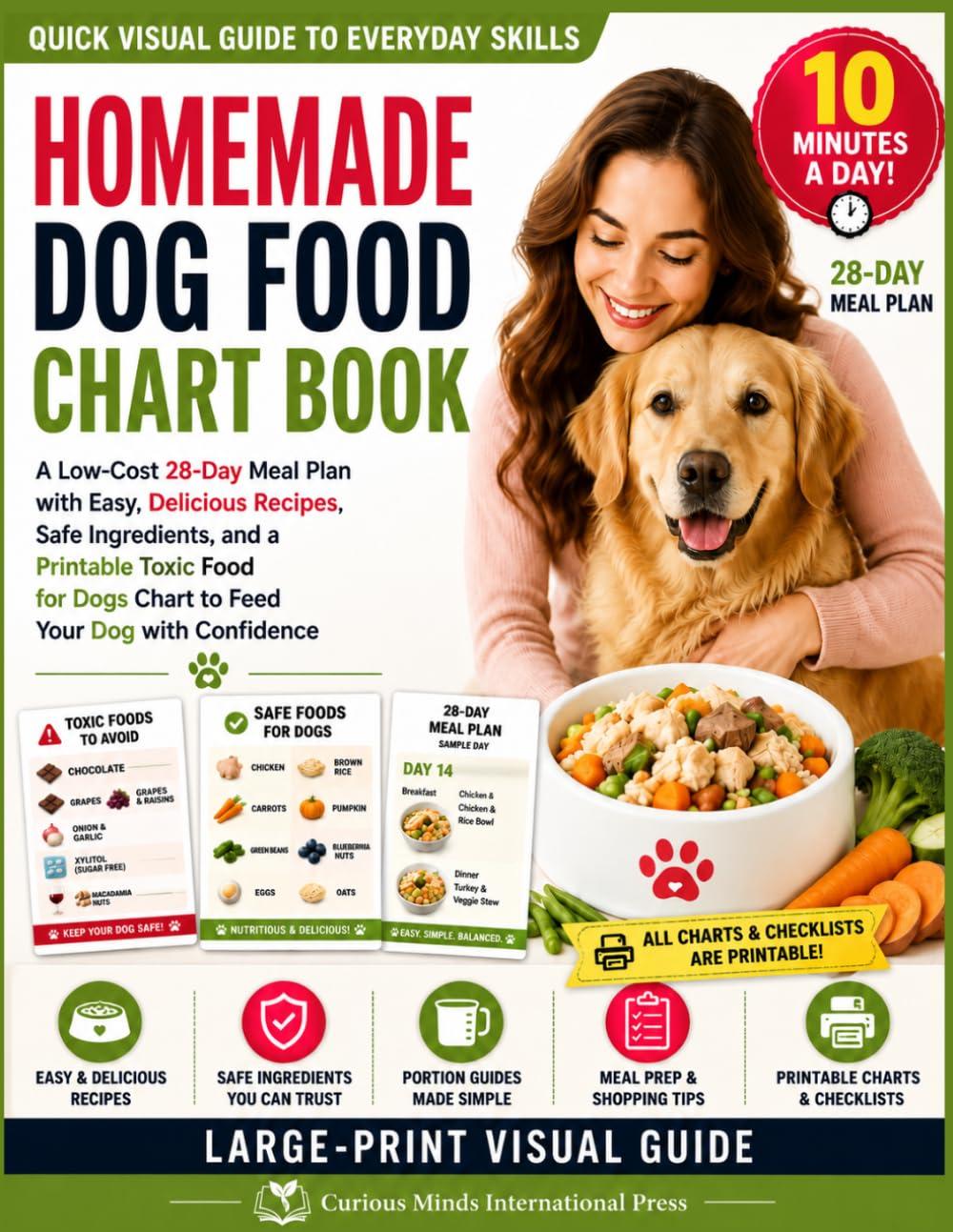
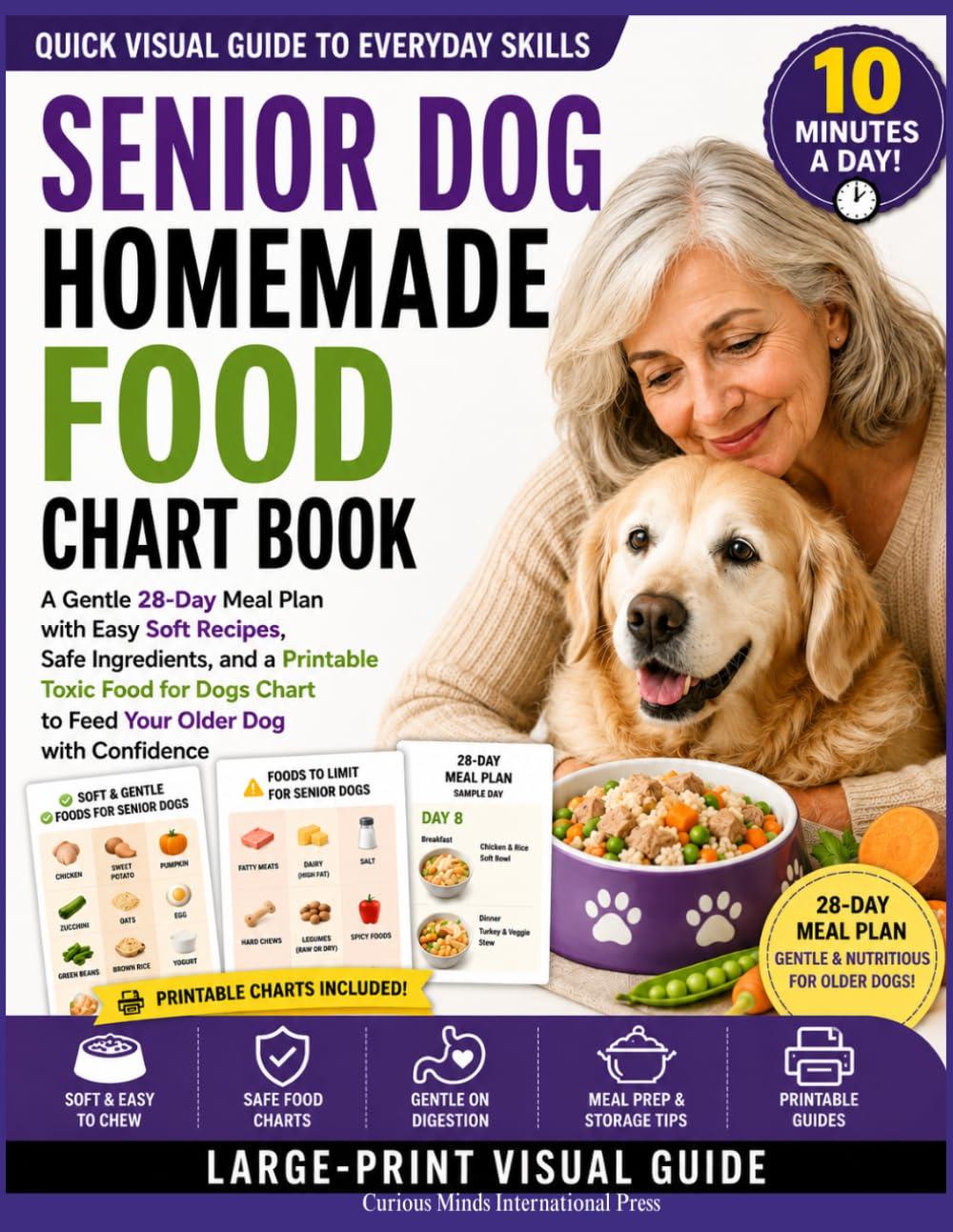
Our Top Product Recommendations
Common Mistakes to Avoid When Starting a Raw Dog Food diet
one of the biggest mistakes beginners make with raw feeding is not providing balanced meals. raw diets require careful attention to ratios of protein, fat, calcium, and other nutrients. feeding too much muscle meat without enough bone or organ meat can lead to nutrient deficiencies or imbalances that could affect your dog’s health.
Another common error is neglecting food safety. Raw diets can pose bacterial risks if meat is not handled or stored properly. Avoid leaving raw food out for too long, always thaw frozen meat in the refrigerator, and clean feeding areas thoroughly to prevent contamination.
rushing the transition without monitoring your dog’s response can cause unnecessary digestive distress. Take the time to adjust the amount and type of raw food slowly and seek guidance from a veterinarian or pet nutritionist to adjust the diet as needed.
Frequently Asked Questions
Is raw feeding safe for my dog?
When done correctly,raw feeding can be safe and highly beneficial for dogs. It is meaningful to ensure meals are balanced and food is handled with proper hygiene. Consulting with your vet can help tailor the diet safely to your dog’s individual needs.
Can puppies eat a raw food diet?
Yes,puppies can eat raw food diets,but their nutritional needs are specific and critical for healthy growth. Puppy raw diets require precise formulation to include appropriate levels of calcium, protein, and vitamins. It’s best to work with a professional to get these amounts right.
How do I handle bones in a raw dog food diet?
Raw meaty bones are critically importent for calcium and dental health, but it’s crucial to feed bones that are appropriate for your dog’s size to avoid choking hazards or tooth damage. Avoid cooked bones and always supervise your dog when they are chewing on raw bones.
Conclusion
Starting a raw dog food diet is a splendid way to feed your dog a wholesome, natural diet that can support their overall health and vitality. With careful planning, safety measures, and gradual transitioning, raw feeding can be both safe and effective for dogs of all life stages.
Remember, ongoing monitoring and consultation with your veterinarian will help ensure your dog thrives on their new diet.With the right knowledge and resources, you can confidently provide a raw food diet that nourishes your beloved pet every day.