Introduction
Bulldogs are lovable, loyal, and unique dogs that require special attention when it comes to their diet. Due to their distinct physique and predispositions to certain health conditions, feeding your bulldog the right dog food is essential for maintaining their overall health and happiness. Choosing the best dog food tailored to meet their nutritional needs contributes substantially to their quality of life.
In this blog post, we will explore the best dog food options specifically formulated for bulldogs. We’ll discuss important factors to consider, dietary needs, ingredient quality, and share our top product recommendations to help you make informed choices for your cherished pet.
Understanding the Nutritional Needs of Bulldogs
Bulldogs have unique dietary requirements compared to other dog breeds,largely because of their muscular build and tendency toward weight gain. High-quality protein is necessary to maintain their muscle mass, while controlled fat content helps prevent obesity, a common issue in bulldogs. Additionally, because bulldogs can be prone to joint issues and allergies, their diet needs to include ingredients that support joint health and minimize allergic reactions.
Bulldogs also benefit from foods rich in omega-3 and omega-6 fatty acids. These healthy fats promote a shiny coat, aid skin health, and reduce inflammation.Including antioxidants and vitamins in their diet is equally important to support their immune system and overall vitality. Therefore, selecting a dog food that balances these elements is crucial for your bulldog’s health.
When shopping for dog food for your bulldog, it’s best to look for formulas specifically designed for their breed or size. Avoid fillers like corn,wheat,and soy,which can cause digestive issues and allergic reactions. Rather, opt for recipes with wholesome ingredients such as real meat, vegetables, and grains like brown rice or oatmeal.
Key Ingredients to Look for in Bulldog Dog Food
Choosing dog food with the right ingredients ensures your bulldog receives the best possible nutrition. Start by prioritizing high-quality protein sources such as chicken, beef, fish, or lamb. These proteins provide essential amino acids needed to maintain your dog’s muscle strength and energy levels.
Next, look for sources of healthy fats like fish oil and flaxseed oil, which supply omega fatty acids for skin and coat health. Fiber is another critically important component, as it aids in digestion and helps regulate your bulldog’s bowel movements. Ingredients like pumpkin, sweet potatoes, and peas serve this purpose well.
Additionally, look for added vitamins and minerals such as vitamin E, vitamin C, glucosamine, and chondroitin. These support immune function, joint health, and bone strength-all crucial for bulldogs prone to arthritis and other musculoskeletal issues.
Our Top Product Recommendations
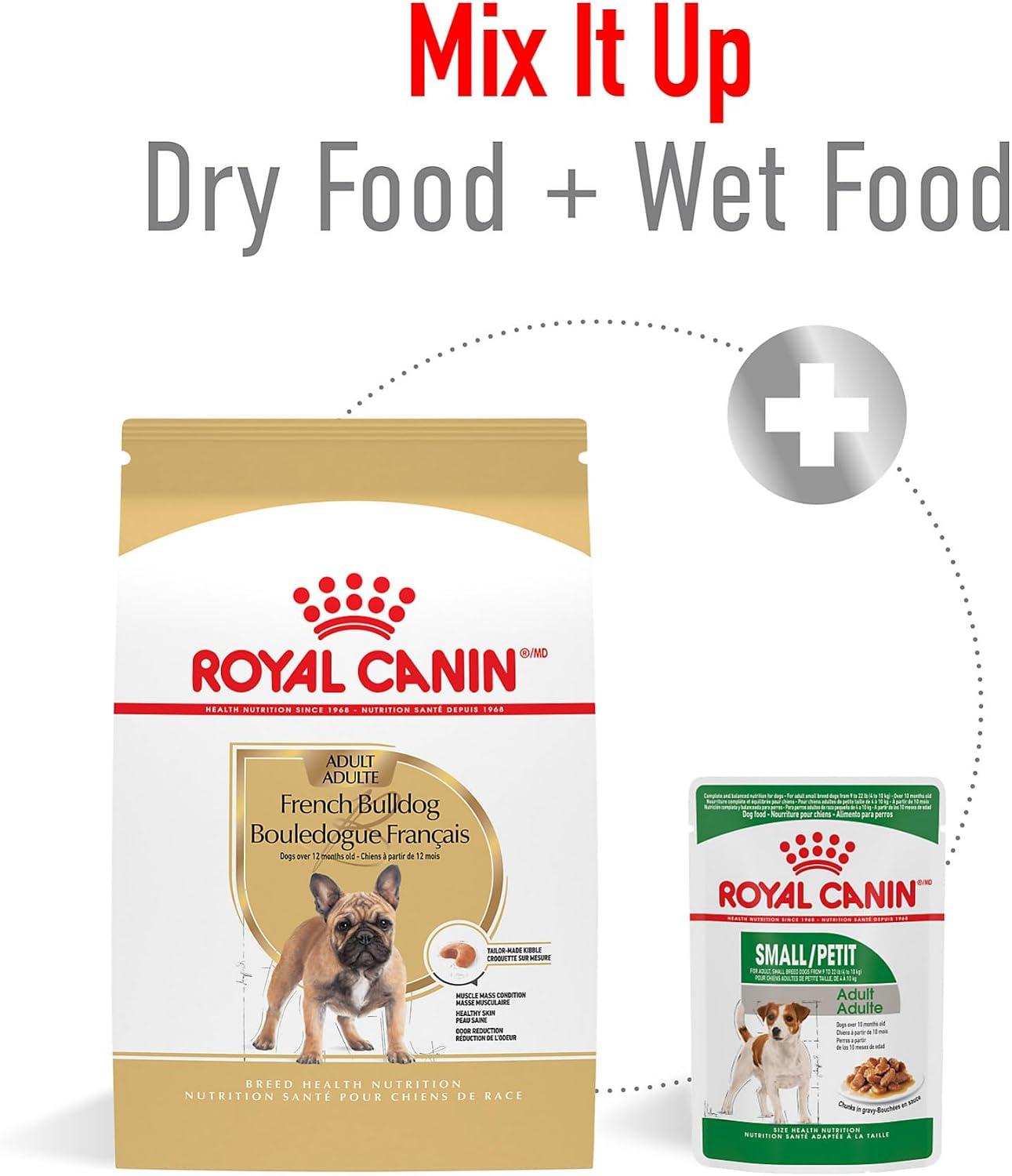
Feeding Tips to Keep Your Bulldog Healthy
Once you have selected the right dog food, maintaining a consistent feeding routine is key to keeping your bulldog healthy and happy. Bulldogs tend to be food motivated, so watch portion sizes carefully to prevent overeating. Overfeeding can lead to obesity, which can exacerbate breathing difficulties and joint problems common in this breed.
It is advisable to split your bulldog’s daily food intake into two or three smaller meals to assist digestion and maintain steady energy levels. Always provide access to fresh water to keep your dog well hydrated, especially during hot months or after physical activity.
Additionally, consult your veterinarian to determine the proper amount of food for your bulldog’s age, weight, and activity level. Some bulldogs may have specific health concerns that require a special diet, so professional guidance ensures you provide the best nutrition possible.
Frequently Asked questions
What is the best type of protein for bulldogs?
The best protein sources for bulldogs are high-quality animal proteins such as chicken, beef, fish, and lamb. These provide essential amino acids needed to support muscle growth and maintenance. Avoid low-quality protein or by-products, as they might potentially be harder to digest and less nutritious.
are grain-free dog foods better for bulldogs?
Not necessarily. While some bulldogs are sensitive or allergic to grains like wheat or corn, many do just fine on whole grains such as brown rice or oats. Grain-free diets are beneficial only if your bulldog has a diagnosed grain allergy. It’s best to monitor your dog’s reaction to food and consult your vet before switching to grain-free options.
Can bulldogs eat wet food or homemade meals?
Yes, bulldogs can thrive on wet food or homemade meals provided that these diets are balanced and meet all their nutritional requirements. Homemade meals should be carefully prepared with the guidance of a veterinary nutritionist to ensure they contain the right amounts of protein, fats, vitamins, and minerals.
Conclusion
Feeding your bulldog the best dog food tailored to their unique needs is a vital step in promoting their health, happiness, and longevity. Focus on high-quality proteins, healthy fats, and essential nutrients while avoiding fillers and allergens that could impact their well-being. With the right diet and proper feeding practices, your bulldog will enjoy a vibrant and active life by your side.
Remember,consultation with your veterinarian is invaluable in selecting and adjusting your bulldog’s diet over time. By prioritizing nutrition and quality ingredients,you can ensure your beloved companion stays healthy,happy,and full of energy for years to come.