
Introduction
Watching your beloved dog suffer from an upset stomach can be distressing for any pet owner.Digestive issues like vomiting, diarrhea, or bloating often indicate that your furry friend’s tummy isn’t happy, and addressing these issues through proper diet is one of the gentlest and most effective ways to help them feel better. In this blog post, we’ll guide you through the best dog food choices specifically formulated or suitable to soothe your dog’s upset stomach naturally.
Feeding your dog the right food during digestive upset can help restore gut balance and speed up recovery. There are specially designed formulas with gentle ingredients and nutritional supplements that support digestive health. Understanding what to feed and what to avoid can make all the difference for your pet’s comfort and well-being.
Why Choosing the Right Dog Food for Upset Stomach Matters
When dogs experience stomach problems,their digestive systems are sensitive and vulnerable.Feeding inappropriate or heavy foods can exacerbate the issue, leading to prolonged discomfort or worsening symptoms. Selecting the right dog food can ease digestion, reduce inflammation, and improve nutrient absorption, which is crucial during recovery.
many commercial dog foods contain fillers, artificial additives, or rich ingredients that aren’t easy on a sensitive stomach. Conversely, foods marketed for digestive support contain ingredients like easily digestible proteins, prebiotics, probiotics, and fiber designed to promote gut health and reduce gastrointestinal upset. Knowing these differences allows you to make informed choices for your pet’s diet.
Moreover, some dogs may have food sensitivities or allergies that contribute to their upset stomach. Transitioning to hypoallergenic or limited ingredient diets can help identify and eliminate problematic components, allowing their digestive tract to heal and regain normal function.
Key Ingredients to Look for in Dog Food for Upset Stomach
When shopping for dog food aimed at calming an upset stomach, prioritize formulas with wholesome, simple, and gentle ingredients.Here are some key components to consider:
- Highly Digestible Proteins: Chicken, turkey, or lamb are commonly used, but novel protein sources like duck or venison can be better for sensitive dogs.
- Prebiotics and Probiotics: These help balance gut flora, promote healthy digestion, and boost immune function.Ingredients such as chicory root, beet pulp, or added probiotic supplements are beneficial.
- Moderate fiber Levels: Soluble fiber helps bulk up stool and improve digestion without irritating the intestines.
- Limited Ingredients: Minimal ingredients reduce the chance of food sensitivities causing further upset.
- Grain-Free or Gentle Grains: Some dogs tolerate grains poorly, so options with rice or oatmeal instead of corn or wheat can be easier on the stomach.
It’s important to avoid foods with artificial preservatives, colors, flavors, and high-fat content that can be tough for sensitive digestion and may aggravate symptoms.
Our Top Product Recommendations
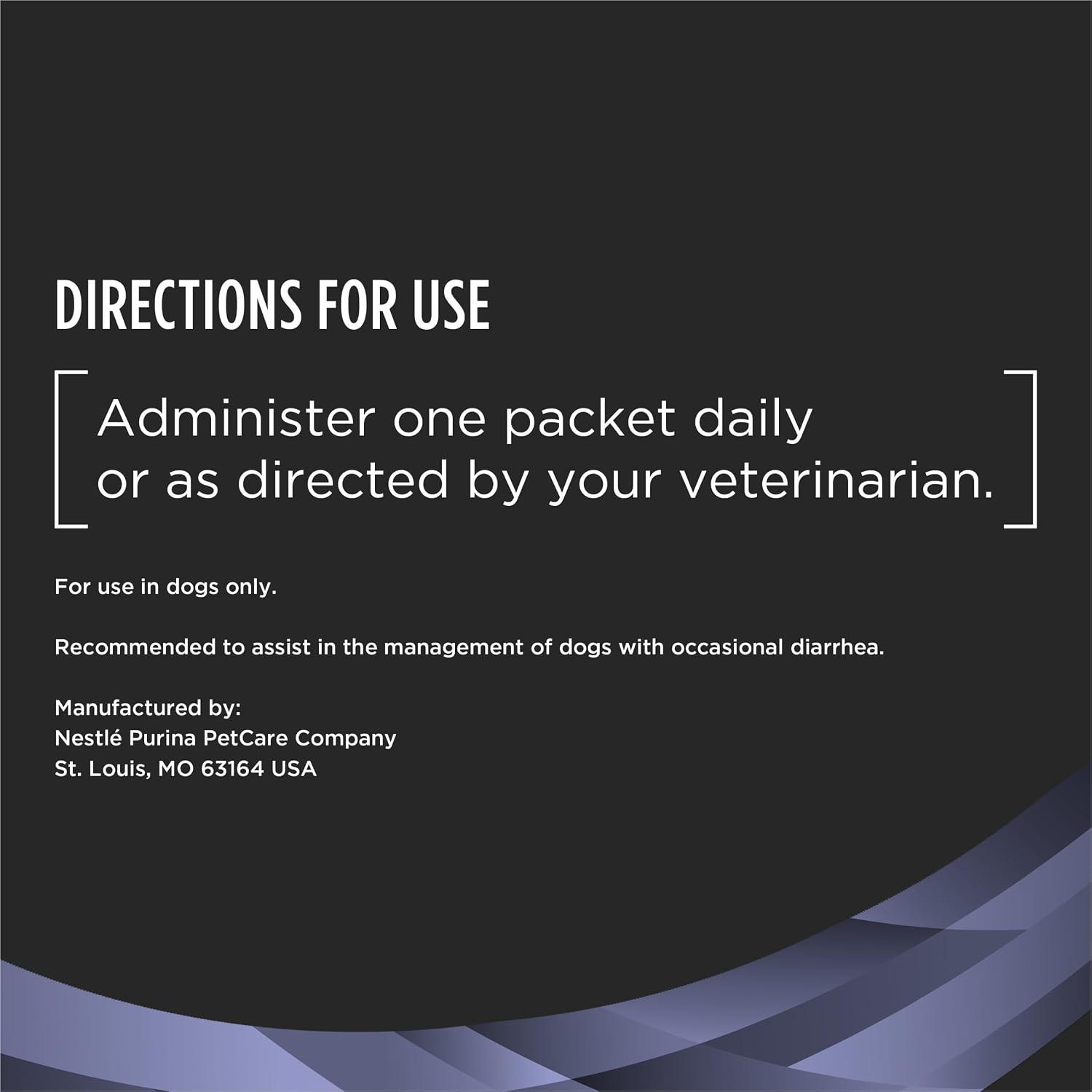
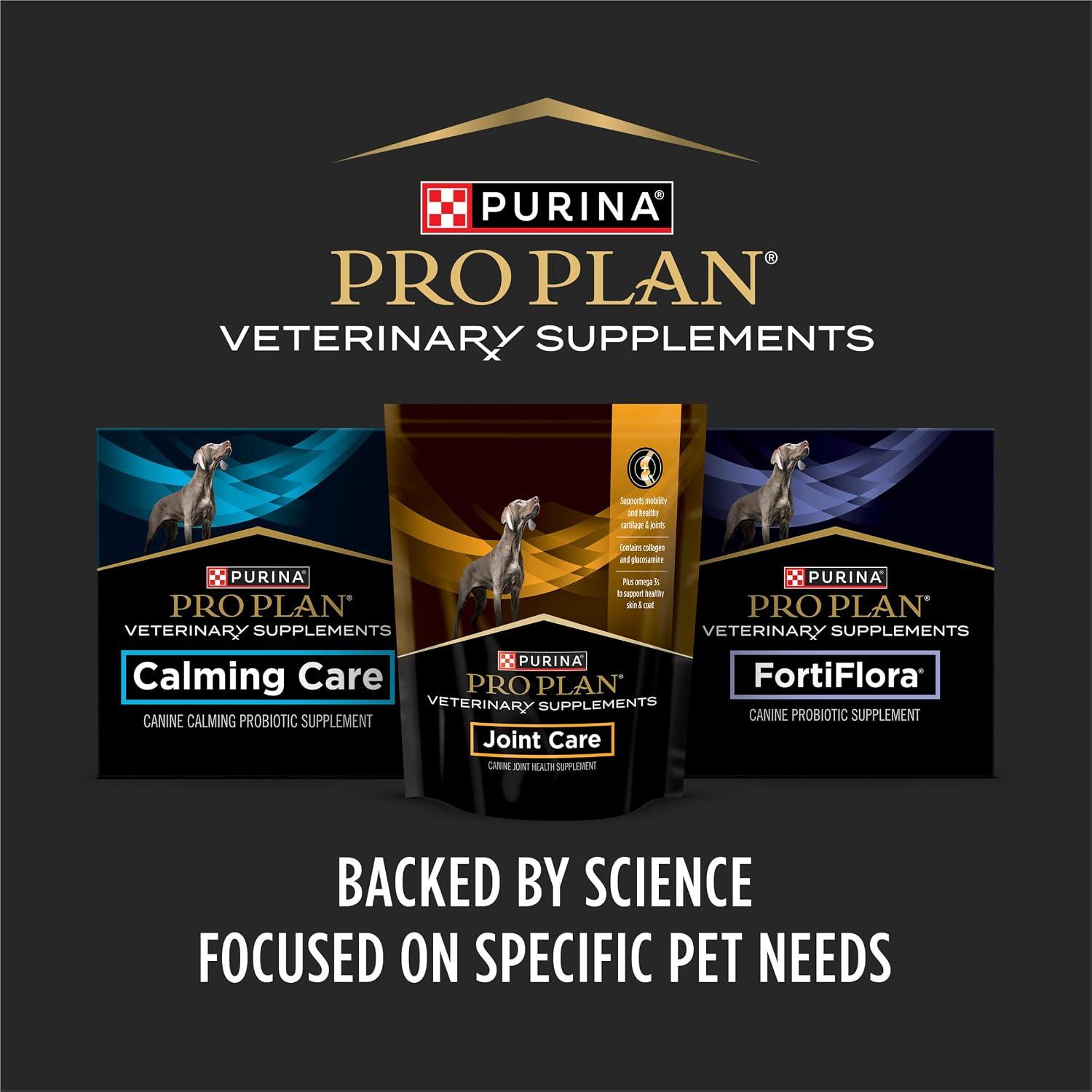
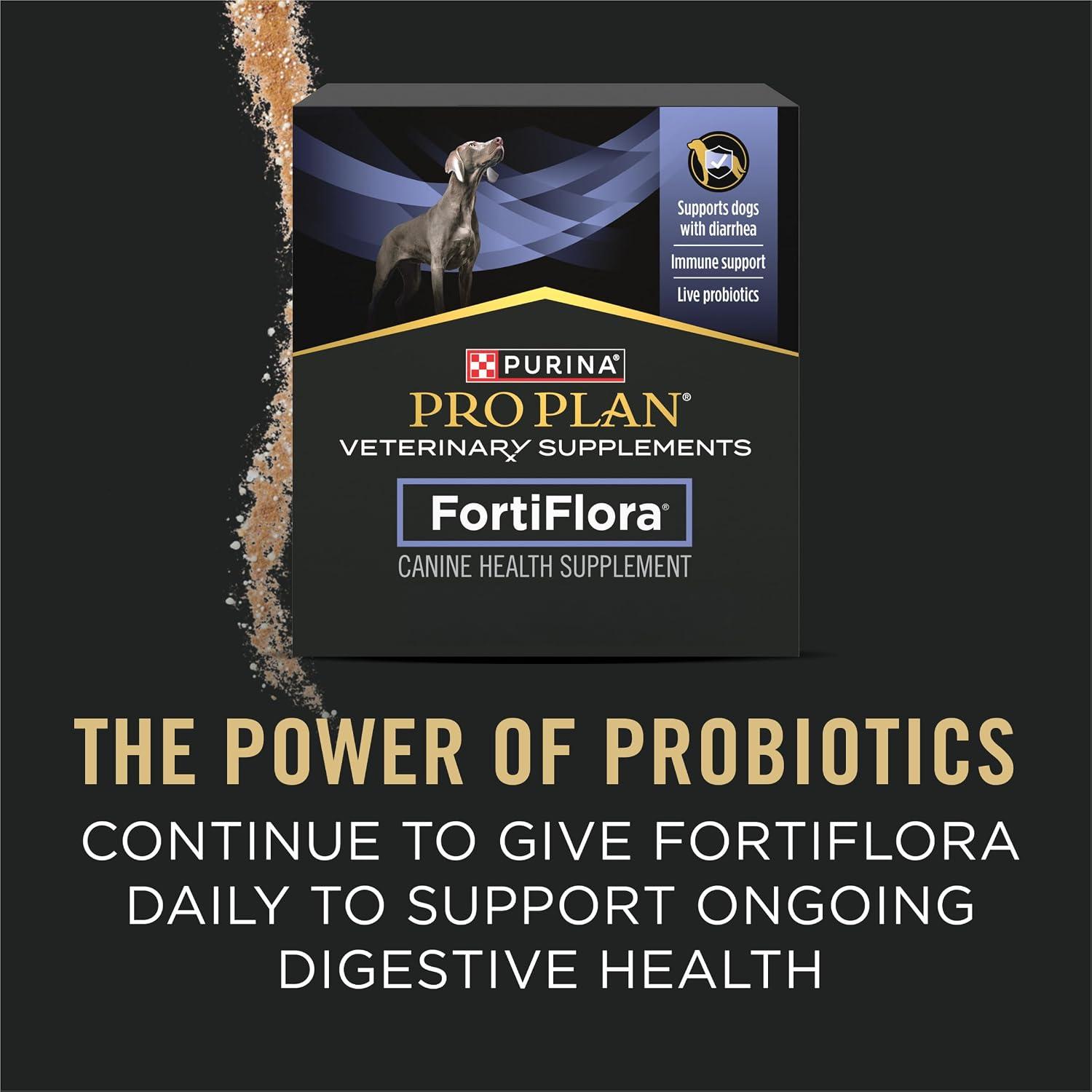
How to Transition Your Dog to a New Food Safely
Introducing a new dog food, especially when your pet has an upset stomach, should be done gradually to avoid further digestive distress. Abrupt switches can shock their sensitive system and may cause more upset or diarrhea. The best practice is to mix increasing amounts of the new food with decreasing amounts of the old food over a period of 7-10 days.
Start by adding about 25% of the new food mixed with 75% of the current food. After a few days, move to a 50/50 mix, then 75% new food with 25% old food. you can feed 100% new food if your dog tolerates the change well. During this period, observe your pet closely for any signs of worsening symptoms, and consult your vet if problems persist.
Also, make sure your dog stays well-hydrated, especially if diarrhea or vomiting are present, as fluid loss can lead to dehydration. Fresh water should always be available, and in certain specific cases, electrolyte solutions recommended by a veterinarian might potentially be necessary.
Frequently Asked Questions
What kind of foods can irritate my dog’s stomach during an upset?
Foods that are high in fat, spices, artificial additives, or common allergens such as corn, wheat, soy, or dairy can irritate your dog’s stomach further. Avoid table scraps, human junk food, and rich or fried meals while your dog is experiencing digestive issues, as these can prolong or worsen symptoms.
Can probiotics help my dog’s digestive problems?
Yes, probiotics can be very helpful in restoring the natural balance of good bacteria in your dog’s gut. They support digestion, reduce inflammation, and sometimes help speed recovery from diarrhea or other stomach troubles. Adding a probiotic supplement or feeding dog foods with live active cultures may provide gentle relief.
When should I see a vet about my dog’s upset stomach?
If your dog’s vomiting or diarrhea lasts more than 48 hours, or if you see blood in stool, severe lethargy, dehydration, or refusal to eat and drink, you should seek veterinary care promptly. Chronic or recurrent stomach issues also warrant professional evaluation to rule out underlying diseases or infections.
conclusion
Choosing the best dog food for an upset stomach plays a vital role in nurturing your pet back to health naturally.Foods with gentle, nutritious ingredients and added digestive support like probiotics can make all the difference in helping your dog feel pleasant and recover faster. remember to transition foods gradually and monitor your dog’s response closely.
With the right dietary choices and care, you can soothe your pet’s stomach upset and promote lasting digestive wellness.Always consult your veterinarian if symptoms persist or worsen to ensure your furry friend gets the best possible care.