
Introduction
Managing diabetes in dogs requires careful attention to diet, as what your furry friend eats plays a crucial role in regulating their blood sugar levels. Choosing the right dog food can support your diabetic dog’s overall health, help stabilize glucose levels, and improve their quality of life. If your dog has been diagnosed with diabetes, understanding which dog foods are best suited for their condition is essential for effective management and long-term wellness.
This guide will help you navigate the best dog food options for diabetic dogs, focusing on ingredients that promote balanced blood sugar and support their nutritional needs. We’ll explore key factors to consider when selecting diabetic-friendly dog food, highlight some top product recommendations, and answer common questions dog owners have when caring for diabetic pets.
Key Nutritional Considerations for Diabetic Dogs
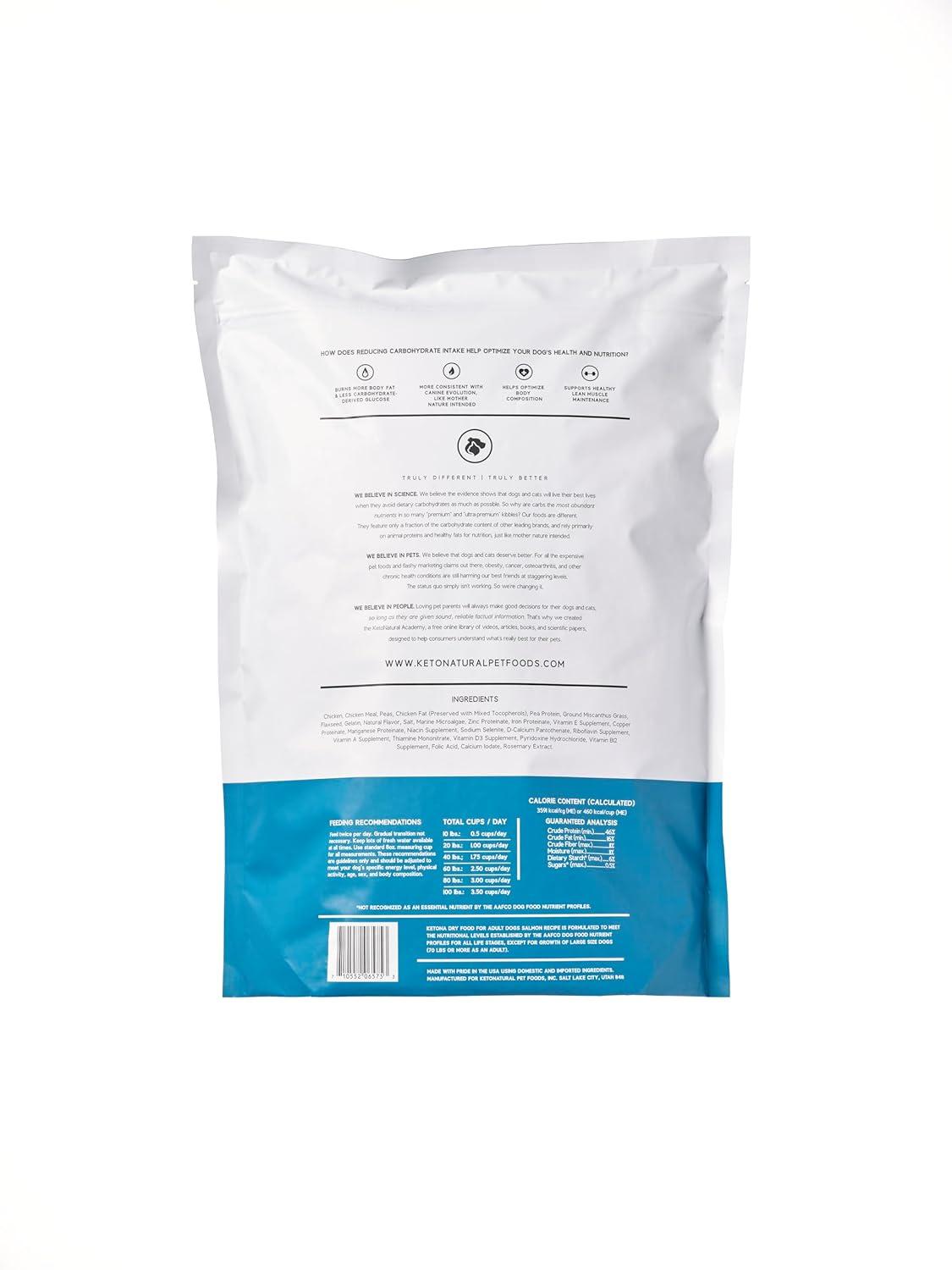
Diabetic dogs need a diet that carefully balances carbohydrates, fats, and proteins to help maintain consistent blood sugar levels. One of the main dietary goals is to minimize rapid glucose spikes after meals, which is why diabetic dog foods often emphasize low glycemic index carbohydrates like sweet potatoes, legumes, and whole grains. These complex carbs digest more slowly, helping to prevent blood sugar fluctuations.
Protein is another critical component for diabetic dogs. High-quality, lean protein supports muscle maintenance without adding excessive calories, which is important since overweight dogs are at a higher risk for worsened diabetes symptoms. Additionally, some diabetic dog foods are grain-free or low in simple sugars to further control carbohydrate intake and improve digestion.
Types of Dog Food Best Suited for Diabetes Management
ther are several types of dog food available on the market, including dry kibble, canned wet food, and raw or homemade diets. Each option has its pros and cons for diabetic dogs. Dry kibble is convenient and often formulated to meet specific nutritional requirements for blood sugar control. wet foods can be more palatable and hydrating but sometimes contain higher carbohydrate levels, so it’s critically important to check ingredient lists carefully.
Raw diets or homemade meals offer full control over ingredients, allowing owners to tailor the food to their dog’s needs precisely.Though, these options require careful planning to ensure balanced nutrition and safety from harmful bacteria. Consulting your veterinarian before making any significant dietary changes is always recommended, especially for dogs with health conditions like diabetes.
Our Top Product Recommendations

Additional Tips for Feeding Diabetic Dogs
In addition to selecting the right dog food, how and when you feed your diabetic dog also impacts blood glucose management. Feeding smaller, more frequent meals throughout the day helps maintain steady glucose levels and prevents large spikes. Consistency is key-try to feed your dog at the same times each day and avoid sudden changes in diet.
Always monitor your dog’s response to new foods, watching for any signs of digestive upset or changes in energy levels. Maintaining a healthy weight is crucial for diabetic dogs, so regular exercise combined with balanced nutrition will support your dog’s overall health and improve insulin sensitivity.
Frequently Asked Questions
What makes a dog food suitable for diabetic dogs?
Dog foods suitable for diabetic dogs typically feature low glycemic index carbohydrates, high-quality lean proteins, and limited simple sugars. These ingredients help stabilize blood sugar levels by preventing rapid glucose spikes after meals.
Can diabetic dogs eat regular dog food?
While some regular dog foods might potentially be adequate, specialized diabetic dog foods are formulated to better control blood sugar and support weight management.Always consult your veterinarian before switching diets to ensure it meets your dog’s specific health needs.
should I consider homemade food for my diabetic dog?
homemade diets can be beneficial when carefully planned with the help of a veterinary nutritionist. They allow you to control ingredients and tailor meals for optimal blood sugar management, but improper balance can risk nutritional deficiencies or excesses.
Conclusion
Choosing the best dog food for your diabetic dog plays an essential role in helping manage their blood sugar levels and supporting their overall health. Prioritize diets that offer balanced proteins, low-glycemic carbohydrates, and essential nutrients to keep your dog happy and healthy despite their condition. Regular veterinary check-ups and consistent feeding routines will complement your dietary choices for optimal diabetes management.
By staying informed and attentive to your dog’s needs, you can effectively improve their quality of life and provide the care they deserve throughout their diabetic journey.