introduction
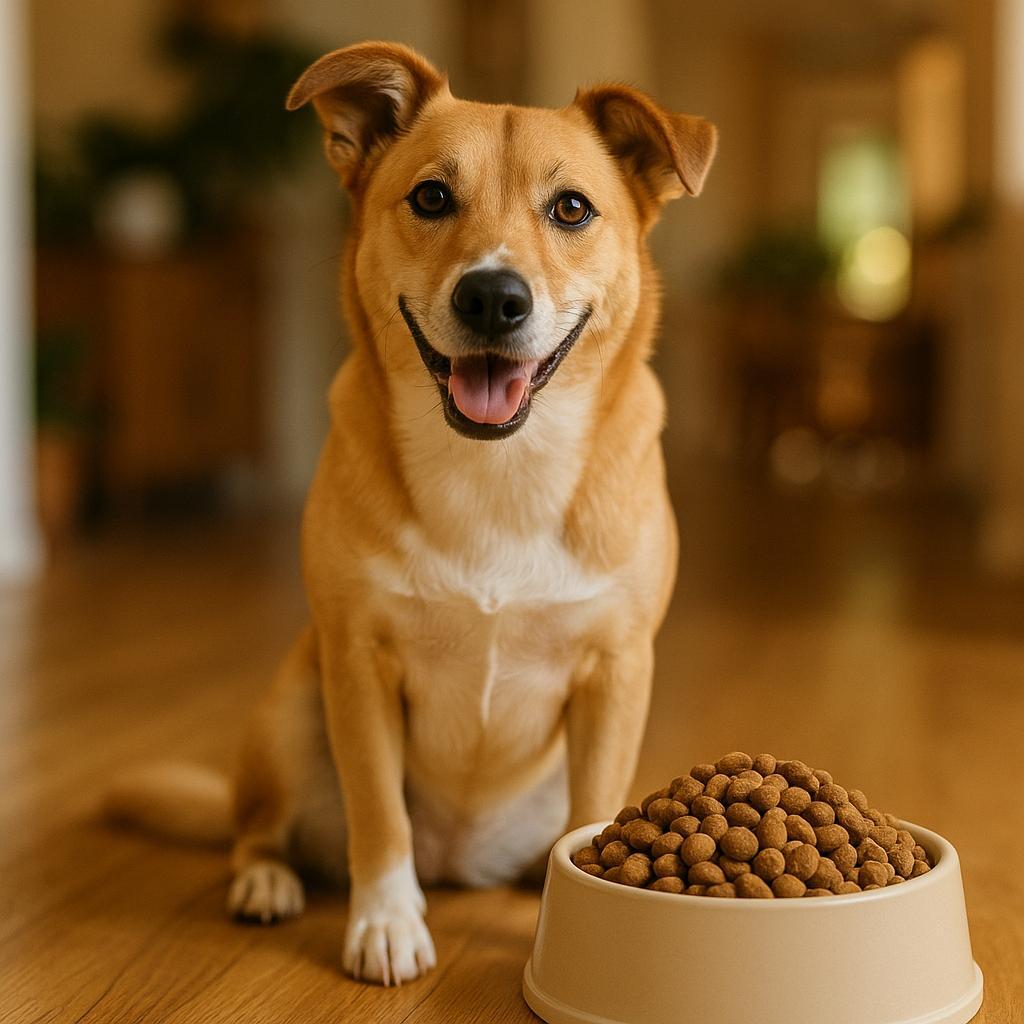
Keeping your dog at a healthy weight is essential for their overall wellbeing and longevity. Obesity in dogs can lead to serious health complications such as diabetes, arthritis, heart disease, and decreased mobility. As a responsible dog owner, choosing the right dog food that supports weight loss can make all the difference in helping your furry friend live a happier, healthier life.
In this blog post, we’ll explore the best dog food for weight loss, helping you understand key nutrients, what to look for on labels, and product options that are both nutritious and effective. Our goal is to guide you towards making informed decisions that fit your dog’s unique needs, while ensuring they still enjoy their meals and feel satisfied.
Understanding Dog Food for Weight Loss
Weight loss dog foods are specially formulated to reduce calorie intake without compromising essential nutrients. Unlike regular dog foods, these products typically have lower fat content and controlled carbohydrate levels to prevent excessive calorie consumption. However, it’s important that these diets still provide adequate protein to maintain muscle mass during weight loss.
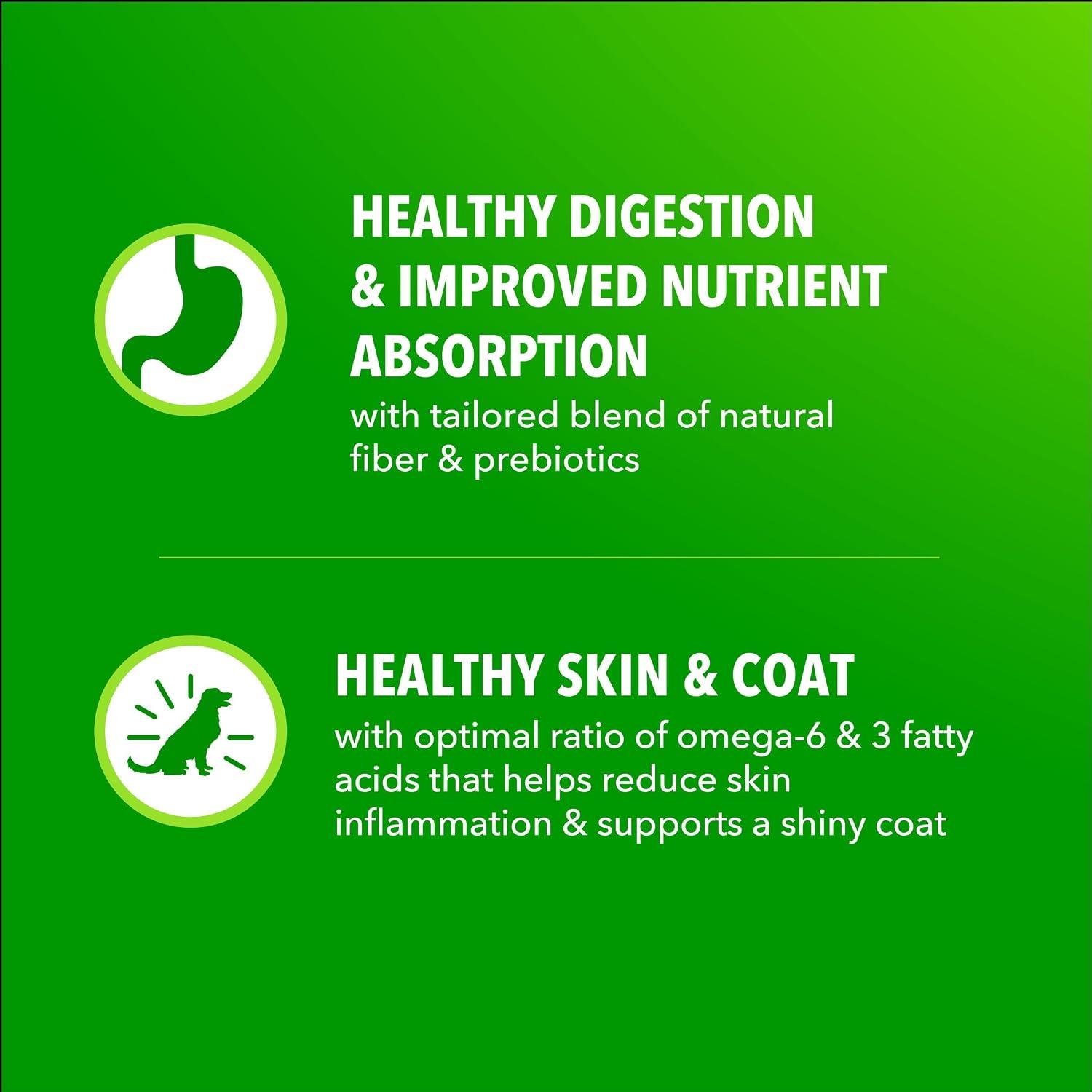
Manny weight loss dog foods also include added fiber, which helps your dog feel fuller for longer periods, reducing begging and needless snacking. Ingredients such as beet pulp, chickpeas, and peas are common fiber sources that improve digestion and promote satiety. Additionally,some formulas incorporate L-carnitine,an amino acid that supports fat metabolism and energy production.
Key Nutritional Components to Look For
When shopping for dog food aimed at weight loss, there are a few critical nutrients and features to keep in mind. First, check the calorie content per cup. Foods lower in calories but rich in essential nutrients will help control your dog’s energy intake without causing malnourishment. It’s crucial to balance reducing calories with maintaining adequate nutrition.
A high protein content is vital to preserve lean body mass during weight loss. Look for quality protein sources like chicken, lamb, or fish as the primary ingredients.Lower fat levels also contribute to fewer calories but ensure fats are present in moderate amounts to support skin, coat, and overall organ health.
Lastly, natural ingredients and limited fillers are preferable. Avoid dog foods with excessive preservatives,artificial colors,or by-products,which can interfere with digestion and weight management. Whole grains like brown rice and barley or grain-free alternatives like sweet potatoes provide sustained energy and fiber to keep your dog energized and satisfied.
Our Top Product Recommendations
How to Transition Your Dog to weight Loss Food
Switching your dog to a weight loss formula requires a gradual transition to avoid digestive upset. Start by mixing a small portion of the new food with your dog’s current food,gradually increasing the amount of the new food over 7 to 10 days.This blend helps your pet adjust to the new taste and texture while preventing stomach issues.
During this phase, monitor your dog’s stool consistency and appetite. If you notice any adverse reactions such as diarrhea, vomiting, or lethargy, slow down the transition or consult your veterinarian. Weight loss dog foods may have different fiber and protein levels that can initially change digestion, so patience is key.
Additionally, pair the dietary change with appropriate portion control and increased physical activity. Feeding guidelines on packaging serve as a helpful starting point,but adjusting portions based on your dog’s weight loss progress and activity levels is essential. Regularly weigh your dog to track their progress and make necesary adjustments.
Frequently Asked Questions
Is it safe to put my dog on weight loss dog food without consulting a vet?
While many weight loss dog foods are safe, it’s always best to consult your vet before making dietary changes, especially if your dog has any underlying health conditions. A vet can help determine a healthy target weight and recommend a complete weight loss plan that includes diet, exercise, and monitoring.
how long does it usually take for a dog to lose weight after switching to weight loss food?
Healthy weight loss in dogs is typically gradual, about 1-2% of body weight per week. Depending on your dog’s starting weight and metabolism, this process can take several months.Steady weight loss reduces health risks and helps maintain muscle mass.
Can weight loss dog food prevent my dog from feeling hungry?
Yes, quality weight loss dog foods often contain higher fiber and protein, which help promote satiety and reduce hunger between meals. However,it is important to follow feeding guidelines and avoid extra treats that can add unnecessary calories and hinder your dog’s weight loss progress.
Conclusion
Choosing the best dog food for weight loss plays a crucial role in managing your dog’s health, improving their energy, and extending their quality of life. By understanding the key nutritional factors, transitioning properly, and choosing top-quality products, you set your dog on the path to a healthier and fitter future.
Remember, weight management is a team effort involving diet, exercise, and regular veterinary checkups. With the right approach and patience,your canine companion will enjoy a happier,more active lifestyle for years to come.