Introduction
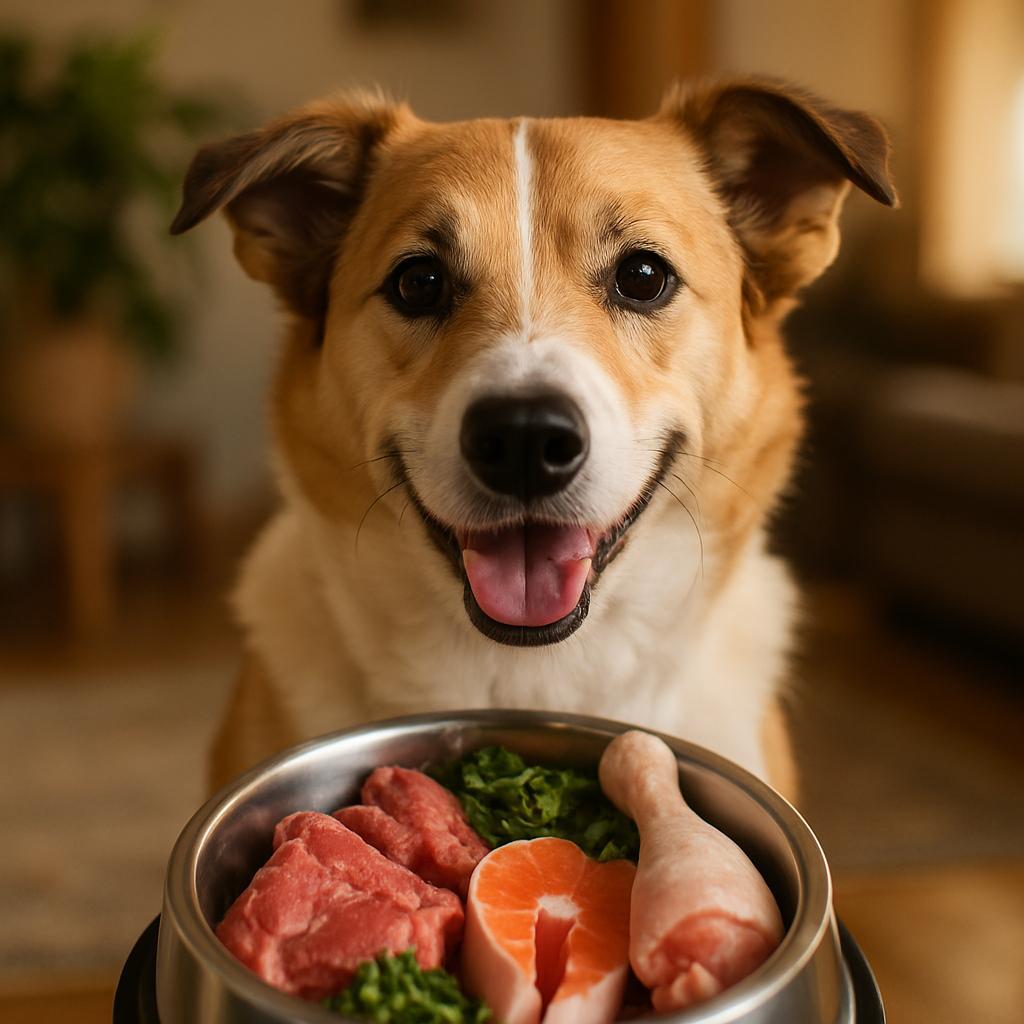
Switching your dog to a raw food diet can be an exciting and rewarding change for both you and your furry friend. Known as teh raw dog food diet or BARF (Biologically Appropriate Raw Food) diet, this feeding method mimics what dogs might eat in the wild, focusing on raw meats, bones, and fresh ingredients. Many dog owners turn to this approach to help improve their pet’s overall health, energy, and coat condition.
For beginners, making the transition to a raw dog food diet may seem a bit overwhelming due to concerns about nutrition, safety, and proper preparation. This guide will walk you through the essential steps to start feeding your dog a balanced raw diet, highlight the importent benefits, and provide tips to ensure your pet thrives on their new eating plan.
Understanding the Raw Dog Food Diet basics
The raw dog food diet emphasizes whole, natural ingredients that offer dogs the nutrients they need in a more natural form then processed kibble or canned foods. It typically includes muscle meat, raw bones, organs, fruits, and vegetables. These are designed to supply a balanced mix of protein, vitamins, minerals, and healthy fats.
One of the key reasons pet owners choose this diet is to avoid fillers, preservatives, and artificial ingredients commonly found in commercial dog foods. When feeding raw, you have total control over what your pet consumes, allowing you to tailor meals to your dog’s specific health needs and preferences. though, it’s crucial to understand how to create balanced meals and safe handling practices to prevent nutritional deficiencies or contamination.
How to Start Your Dog on a Raw Food Diet
Starting a raw diet for your dog requires planning and patience. Begin by consulting your veterinarian or a pet nutritionist to ensure you meet your dog’s dietary needs, especially if your pet has underlying health conditions.Gradually transition your dog from their current food to raw over a week or two by mixing increasing amounts of raw food with your dog’s existing diet. This slow change helps minimize digestive upset.
Next, source high-quality ingredients. Choose fresh meats from reputable suppliers and introduce organ meats and edible bones responsibly, avoiding cooked bones which can splinter dangerously.Rotate proteins like chicken, beef, and fish to keep the diet nutritionally diverse. Prepare meals in clean conditions and freeze portions to maintain freshness. Lastly, monitor your dog’s health and behavior during the transition and adjust the diet as needed for optimal results.
Our Top Product Recommendations


Benefits of a Raw Dog Food Diet
The benefits of switching your dog to a raw food diet are numerous and widely reported by pet owners and veterinarians alike. A raw diet can lead to improved digestion, because it contains natural enzymes and less processed fillers which often cause gastrointestinal upset. Dogs on raw diets often experience fewer allergies and skin conditions as processed additives and preservatives are eliminated.
Additionally, many dogs display increased energy and vitality, thanks to the high-quality proteins and fats that support muscle and brain function. Another notable advantage is the betterment in coat health-many owners notice shinier, softer fur with reduced shedding. dental health also benefits from chewing raw meaty bones, which naturally clean teeth and reduce plaque buildup.
Frequently Asked Questions
Is raw dog food safe for all breeds and ages?
Raw dog food can be suitable for most breeds and ages, but it’s vital to customize the diet to your dog’s individual health requirements. Puppies, senior dogs, and dogs with specific health problems may need tailored recipes or supplements. Consult with your veterinarian before beginning to ensure the diet meets all nutritional needs safely.
How do I avoid bacterial contamination when feeding raw food?
To reduce risks of bacteria such as Salmonella or E. coli, always source high-quality meat, maintain excellent hygiene while preparing food, wash your hands, and clean utensils and surfaces thoroughly. Store raw food in sealed containers and keep meals refrigerated or frozen until ready to serve. Monitoring your dog’s health regularly also helps catch any issues early.
What should I do if my dog refuses to eat raw food?
Some dogs may be hesitant to try raw food at first. To encourage them, mix raw meals with small amounts of their current food and gradually increase the raw portion. Offering a variety of proteins and textures can also pique interest. Patience is key, as some dogs simply need time to adapt to new flavors and textures.
Conclusion
Starting your dog on a raw food diet is a fantastic way to take an active role in their health and well-being. By carefully planning the transition, choosing quality ingredients, and understanding the benefits, you can provide your dog with a nutrient-rich and natural diet that supports a happier, healthier life. Always keep learning and adjusting as needed, and don’t hesitate to seek professional advice to ensure your pet thrives on this lifestyle change.
Whether you have a puppy, senior dog, or anything in between, a raw diet can be tailored to meet their unique needs. With time and dedication,your dog may experience improved vitality,digestion,and overall happiness through the power of raw nutrition.