Introduction
Dealing with a dog suffering from diarrhea can be stressful and concerning for any pet owner. Diarrhea in dogs can result from a variety of causes such as dietary changes, infections, allergies, parasites, or even stress. Knowing how to treat dog diarrhea at home quickly and safely can help your furry friend feel better and prevent further complications.
in this blog post, we will explore practical and effective home remedies and care techniques that can help you manage your dog’s diarrhea. Along with helpful tips and product recommendations, this guide aims to provide you with the knowledge to support your dog’s digestive health safely from home.
Effective Home Care Tips to Treat Dog Diarrhea
The first step in addressing your dog’s diarrhea at home is to ensure they stay hydrated. Diarrhea causes fluid loss, which can quickly lead to dehydration, especially in puppies or older dogs. Always provide fresh, clean water and encourage your dog to drink frequently. In certain specific cases, offering an electrolyte solution designed for pets can definitely help replenish lost minerals.
Next, consider temporarily adjusting your dog’s diet.A bland diet is gentle on the digestive system and soothes irritation in the stomach and intestines. Common options include boiled chicken (without skin or bones) and plain white rice. Feed your dog small portions throughout the day rather than one or two large meals to help regulate digestion and reduce discomfort.
It’s crucial to avoid giving your dog table scraps or any foods that are spicy, fatty, or highly processed during this time. Additionally, keep an eye on your pet for any signs of worsening symptoms such as lethargy, vomiting, or the presence of blood in the stool, which may require veterinary attention instantly.
Using Probiotics and Supplements to Support digestive health
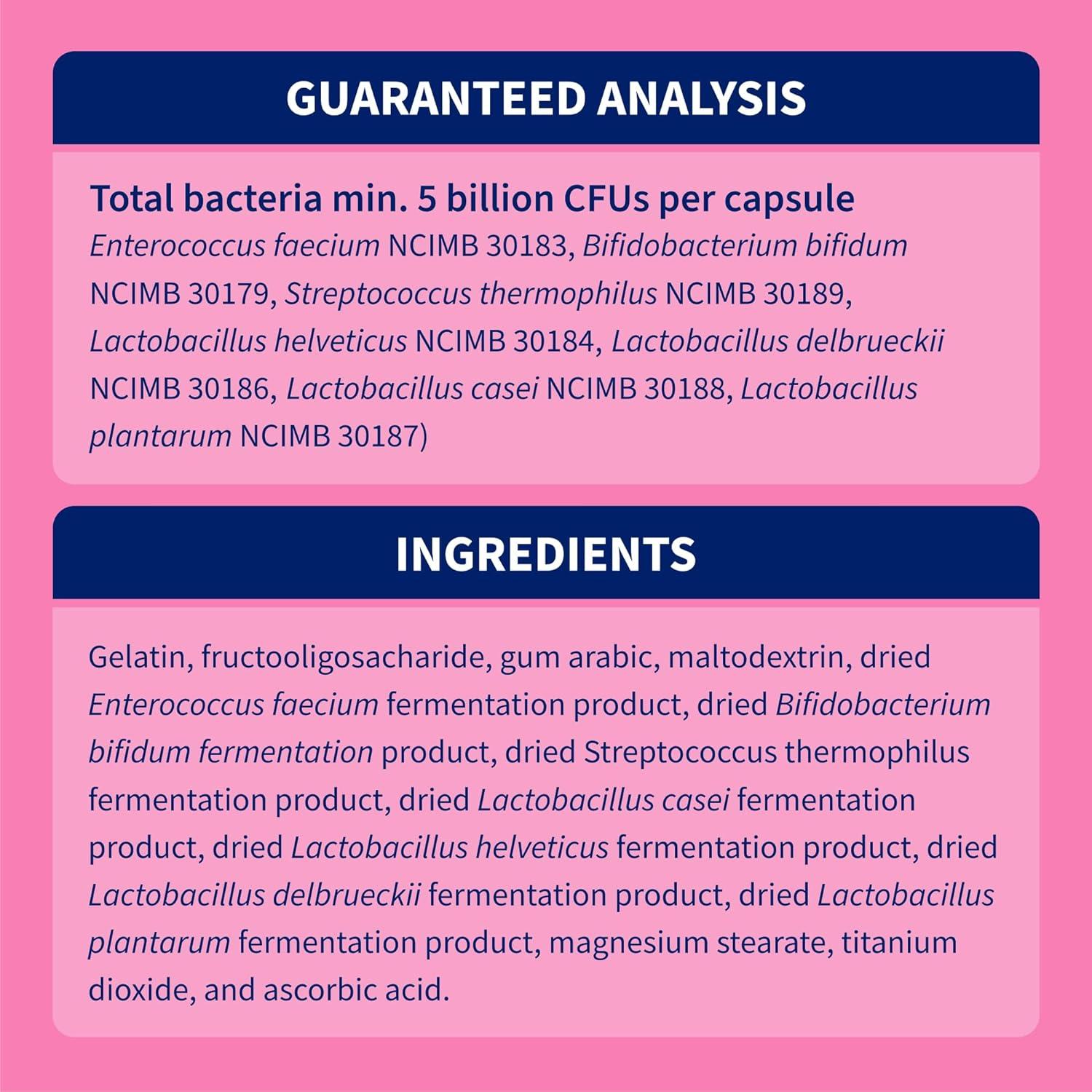
Probiotics are beneficial bacteria that help balance the gut flora and support healthy digestion. While dogs naturally have these good bacteria, illness or dietary disruptions can reduce their numbers and contribute to diarrhea. Adding probiotics to your dog’s regimen can aid recovery and prevent future digestive disturbances.
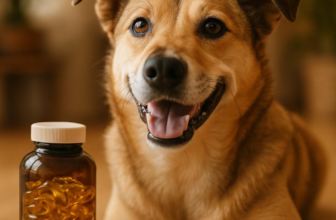
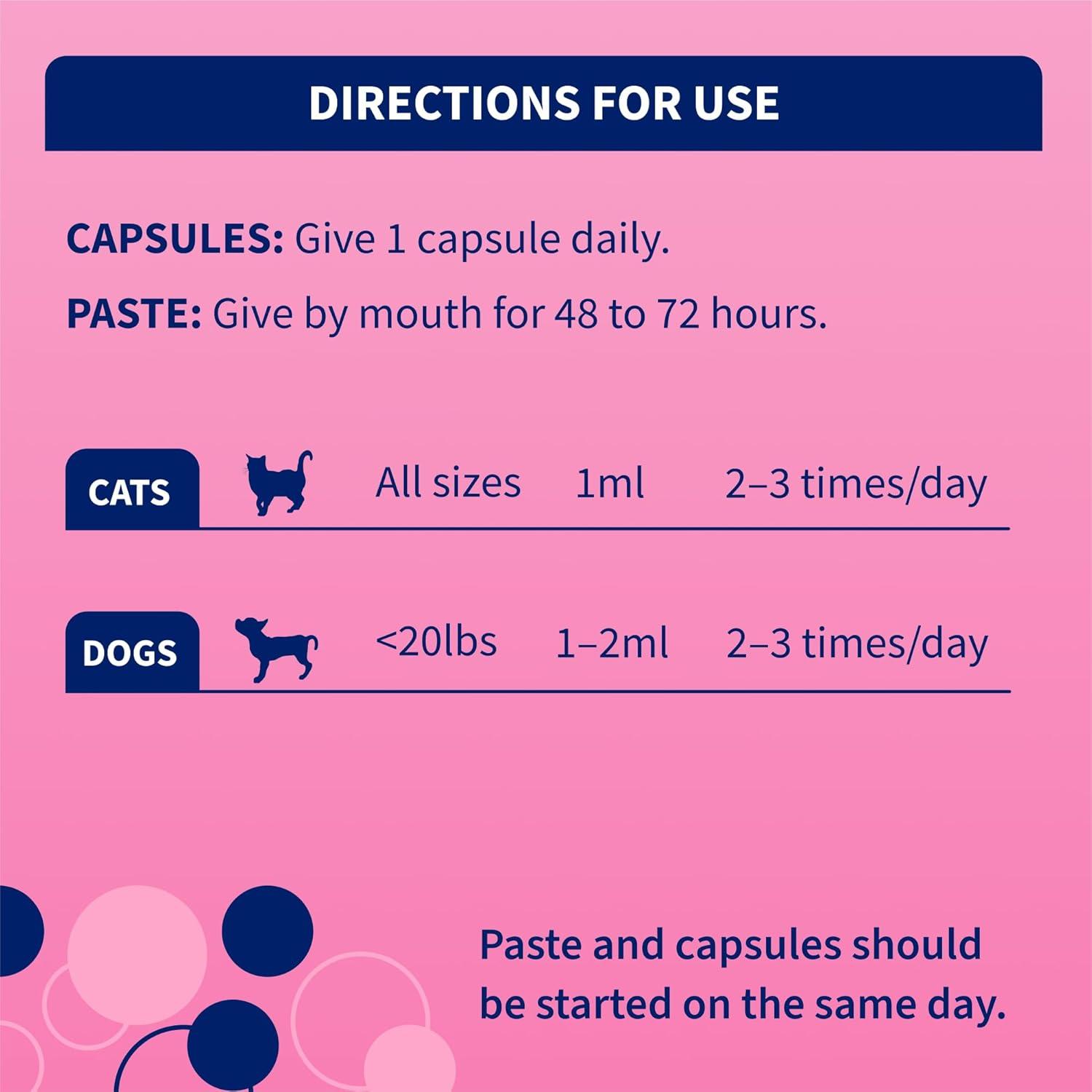
many pet owners successfully incorporate probiotic supplements into their dog’s diet. These supplements come in various forms including capsules, powders, and pastes that can be sprinkled onto food or administered directly. Alongside probiotics, prebiotics act as food for these good bacteria, amplifying their positive effect on gut health.
Before starting any supplement, consult with your veterinarian to determine the appropriate type and dosage for your dog’s specific needs.Regular use of probiotics might not only ease diarrhea faster but also improve overall immune function and nutrient absorption.
Our Top Product Recommendations
When to Seek Veterinary care for Diarrhea in Dogs
While mild diarrhea can often be managed at home,it is critical to recognize when professional veterinary care is necessary. If your dog’s diarrhea lasts more than 24 to 48 hours, contains blood or mucus, or is accompanied by other symptoms such as vomiting, lethargy, loss of appetite, or fever, consult your veterinarian immediately.
Certain breeds and age groups, including puppies, senior dogs, and dogs with pre-existing health issues, are more vulnerable to complications from diarrhea and need prompt assessment. Additionally,if your dog shows signs of dehydration like dry gums,sunken eyes,or weakness,urgent medical attention is required.
Your veterinarian may perform diagnostic tests to identify underlying causes such as infections, parasites, or dietary intolerances and prescribe appropriate treatment like medications or specialized diets to support recovery.
Frequently Asked Questions
Can I give my dog over-the-counter human medications for diarrhea?
No, you should never give your dog human medications without veterinary advice. Some medicines can be toxic or harmful to dogs. Always consult your vet before administering any medication to your pet.
How long does it usually take for dog diarrhea to clear up with home treatment?
With proper home care such as hydration and dietary adjustments, mild diarrhea often improves within 24 to 48 hours. Though, if symptoms persist or worsen, professional evaluation is necessary.
Are there any foods I should avoid feeding my dog during diarrhea episodes?
Yes, avoid fatty, spicy, or rich foods, and also dairy products, raw diets, or treats during diarrhea. Stick to bland, easily digestible foods like boiled chicken and rice until your dog’s digestive system stabilizes.
Conclusion
treating dog diarrhea at home can be manageable with the right care and attention to hydration, diet, and gut health support. While mild cases often resolve quickly with these steps, always monitor your dog closely and seek veterinary care if symptoms persist or worsen.
by following these tips and utilizing effective supplements like probiotics, you can help your dog recover comfortably and maintain a healthy digestive system for the future. Your attentive care makes all the difference in your pet’s health and happiness.