Introduction
Walking yoru dog on a leash may seem like a basic activity,but it’s a vital skill that ensures safety,enjoyment,and stronger bonding between you and your furry friend. Whether you’re new too dog ownership or looking to improve your dog’s leash manners, training your dog to walk on leash like a pro will make daily walks more pleasant for both of you.
In this blog post, we’ll guide you through effective, positive training techniques that help your dog not only walk politely on a leash but look forward to every stroll. From choosing the right equipment to mastering key commands and correcting common issues,you’ll be equipped with everything needed to succeed.
Understanding the Basics of Leash Training
Leash training is about teaching your dog to walk next to you without pulling, lunging, or resisting. The foundation starts with your dog understanding that walking calmly by your side results in positive rewards like treats, praise, or playtime. Clear communication and consistency are essential as dogs learn best when they know exactly what is expected.
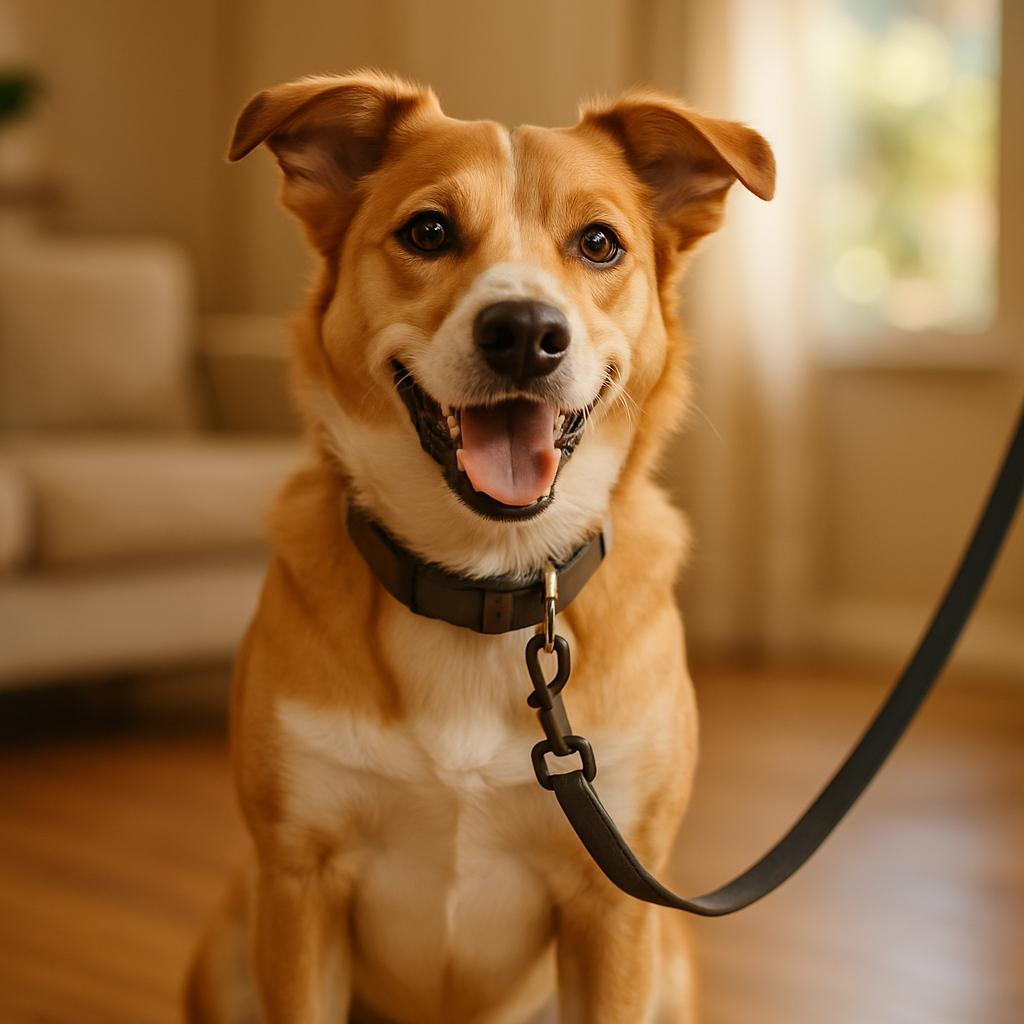
before you begin training, choose a sturdy leash and a cozy collar or harness suitable for your dog’s size and breed.Avoid retractable leashes during training as they reduce control and can confuse your dog about boundaries. A standard 4 to 6-foot leash works best for guiding your dog gently and maintaining close communication during walks.
Remember that leash training is a gradual process-patience and practice will build confidence in both you and your dog. Starting in low-distraction environments, such as your backyard or quiet street, helps your dog focus and learn the basics before moving to busier areas.
Step-by-Step Guide to Training Your Dog to Walk properly on Leash
Begin the training session by having your dog on a leash indoors or in a quiet area. Hold a handful of small, tasty treats and encourage your dog to walk beside you.Use a cue like “let’s go” to signal the start and reward your dog every few steps for staying close. This helps your dog associate walking nicely with rewards.
if your dog starts to pull, stop walking promptly. Stand still and wait calmly until your dog returns to your side or loosens the leash. Only then resume walking. This teaches your dog that pulling will not get them anywhere faster; good behaviour is rewarded with progress.
Practice turning directions randomly during walks to keep your dog attentive. Change your pace occasionally to maintain engagement. Using enthusiastic praise like “good job” or “yes” alongside treats reinforces positive habits and makes training fun.
Our Top Product Recommendations


Addressing Common Leash Walking Challenges
Many dog owners face challenges such as leash pulling, frequent stopping, or reactive behavior toward other dogs or people. Understanding why your dog behaves this way is the first step toward fixing the problem. Sometiems, dogs pull out of excitement or frustration, while other times, it’s fear or overstimulation.
To reduce leash pulling, avoid yanking or harsh corrections, which can create anxiety. Instead, use the stop-and-go method: when your dog pulls, stop walking and wait patiently until they return to your side before moving again. Reward calm walking immediately to reinforce good behavior.
If your dog is reactive or nervous around distractions, try desensitization and counter-conditioning. Gradually expose your dog to triggers at a comfortable distance while offering treats and praise. This positive approach helps change your dog’s emotional response, making walks more enjoyable for both of you.
Frequently Asked Questions
How long does it usually take to train a dog to walk nicely on a leash?
The timeline varies based on your dog’s age, temperament, and past experiences. Some dogs catch on within a few weeks of consistent daily training, while others might need several months. Patience and regular practice are key to success.
Can I train my dog to walk on leash without treats?
While treats are a highly effective motivator and help reinforce good behavior quickly, you can also use praise, toys, or affection as rewards.Some dogs respond well to verbal encouragement alone, but positive reinforcement makes the training process easier and faster.
What type of leash and collar is best for leash training?
A flat nylon or leather leash about 4 to 6 feet long is ideal for training. Avoid retractable leashes until your dog masters leash manners. For collars,a well-fitted flat collar or a front-clip harness can give you good control without causing discomfort.Avoid choke chains or prong collars, especially for beginner training.
Conclusion
training your dog to walk on a leash like a pro requires patience, understanding, and consistent positive reinforcement. By starting with the basics, practicing in low-distraction environments, and addressing challenges with gentle, effective methods, you’ll build a strong foundation for enjoyable, safe walks together.
Remember that walking politely on leash is as much about building a trustful relationship with your dog as it is about obedience. Celebrate progress and stay committed-your dog will appreciate the kindness and structure you provide, leading to many happy adventures ahead.