
Introduction
Training your dog to come when called is one of the most essential commands for responsible pet ownership. A reliable recall can prevent dangerous situations, keep your dog safe, and strengthen the bond between you and your furry friend. Whether you have a young pup or an adult dog, teaching this command requires patience, consistency, and effective techniques.
In this comprehensive guide,we’ll walk you through proven methods to train your dog to respond to the recall command every time. You’ll learn practical tips to build trust, make coming to you more rewarding than distractions, and troubleshoot common challenges dog owners face.
Understanding the Basics of Recall Training
The foundation of training your dog to come when called lies in creating positive associations with the recall cue,usually a word like “come” or “here.” The goal is for your dog to see coming to you as a fun, rewarding experiance rather than a chore or interruption. This mindset shift takes time and requires rewarding the behavior consistently.
Start by choosing a recall word and using it exclusively to reduce confusion. Use a happy, upbeat tone to encourage excitement. Begin training sessions in a low-distraction, enclosed habitat such as your home or backyard.This controlled setting helps your dog focus and associate the command with positive outcomes. Short, frequent training sessions work best, building your dog’s confidence step by step.
It’s also important to understand your dog’s motivation. Some dogs respond well to treats, others to toys or praise.Find what excites your dog the most and use it as a powerful reward to reinforce the recall behavior.
Step-by-Step Guide to Teach Reliable Recall
Once you have established the basics, it’s time to put recall training into practice with these effective steps:
- Start Close: Call your dog from just a few feet away with your chosen cue. when they respond and come to you, reward immediately with high-value treats or their favorite toy.
- Use a Long leash: Gradually increase distance by attaching a long leash or training lead. this allows your dog some freedom but provides control if they don’t respond.
- Make it Fun: Turn recall training into a game using enthusiastic praise, playful voice, and interactive rewards. Avoid calling your dog only for negative reasons like bath time or ending play; this can make them reluctant.
- Practice in Different Environments: Dogs can associate recall commands with specific places. Gradually practice in various locations-parks, sidewalks, different rooms-to generalize the behavior.
- Be patient: Always reward success,and never punish your dog for not coming quickly. Punishment creates fear or avoidance, making recall less reliable.
repeat these steps consistently, gradually building distractions and increasing distance.The aim is for your dog to choose you voluntarily even when exciting distractions are nearby.
our Top Product Recommendations


Common Challenges and How to overcome them
Many dog owners face frustration when their dog doesn’t reliably come when called. Common challenges include distractions like other dogs, wildlife, or loud noises, and also the dog’s own curiosity and stubbornness. Understanding these challenges helps set realistic expectations and avoid punishing your dog, which can worsen the behavior.
One effective solution is to gradually increase the difficulty of the recall by practicing with controlled distractions. Such as, start with a calm environment and slowly add new stimuli like people or toys while rewarding your dog heavily for coming. Using a long leash allows you to keep your dog safe and prevent escapes while they learn in more stimulating conditions.
Another key to success is consistency. Always use the same recall word and reward system, and never call your dog for something unpleasant or punish them for hesitating. This consistency builds trust and makes your dog more eager to respond quickly.
Frequently Asked Questions
How long does it take to train a dog to come when called?
The time required varies widely depending on the dog’s age, breed, temperament, and your consistency. Some dogs may respond reliably within a few weeks, while others might take several months of regular practice. Patience and positive reinforcement are critical.
What should I do if my dog doesn’t come right away?
Remain calm and don’t punish your dog. Use a happy voice to encourage them, and try calling them again. Avoid chasing your dog as it can turn the recall into a game of “catch me.” Rather, use treats or toys to lure them in, then reward generously once they come.
Can I train recall without treats?
Yes, but treats are very effective motivators, especially early in training. If your dog prefers toys or praise over food, use those as rewards. The key is finding what excites your dog the most and using that consistently to reinforce the behavior.
Conclusion
Training your dog to come when called is a vital skill that enhances your dog’s safety and your peace of mind. With methodical training, positive reinforcement, and patience, you can develop a reliable recall that works every time. remember to keep the experience fun and rewarding for your dog to create a lasting, trusting bond.
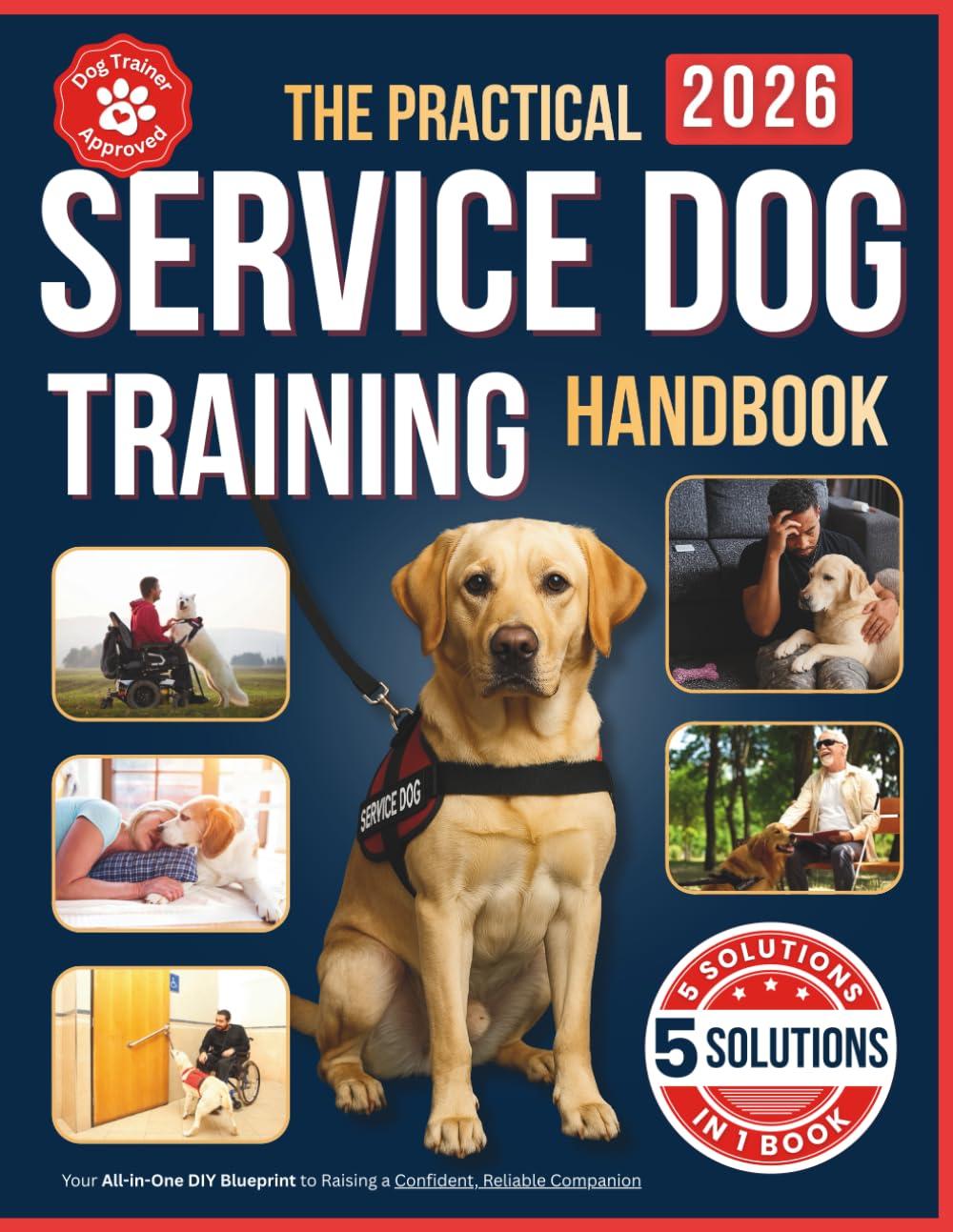
Start practicing today with these tips, take advantage of the recommended resources, and enjoy the confidence that comes with having a dog who always comes back to you.