Introduction
Teaching your dog to roll over is a fun and rewarding trick that not only impresses friends and family but also strengthens the bond between you and your furry companion. Whether your dog is a playful puppy or an older pet, learning new tricks like rolling over provides mental stimulation and encourages positive behavior.
In this guide, we’ll walk you through easy, step-by-step instructions to teach your dog to roll over quickly and effectively. Using positive reinforcement techniques,patience,and consistency,you’ll have your dog rolling over in no time!
Preparing to Teach Your Dog to Roll Over
Before diving into teaching the roll-over trick,it’s essential to ensure your dog has mastered some basic obedience commands,such as “sit” and “down.” These foundational skills set the stage and make the learning process smoother and more enjoyable for your dog.
Begin training sessions in a quiet,distraction-free habitat and have plenty of small,tasty treats ready as rewards. Short training sessions of 5 to 10 minutes work best to keep your dog engaged without overwhelming them.
Remember, every dog learns at their own pace. stay patient and keep a positive, upbeat tone during training to encourage your dog’s enthusiasm for learning new tricks.
Step-by-Step Guide to Teaching Your Dog to Roll Over Fast
Start by asking your dog to lie down. Once your dog is comfortable in the “down” position, hold a treat near their nose and slowly move it towards their shoulder, encouraging your dog to turn their head and body sideways. This movement naturally leads your dog to roll onto their side.
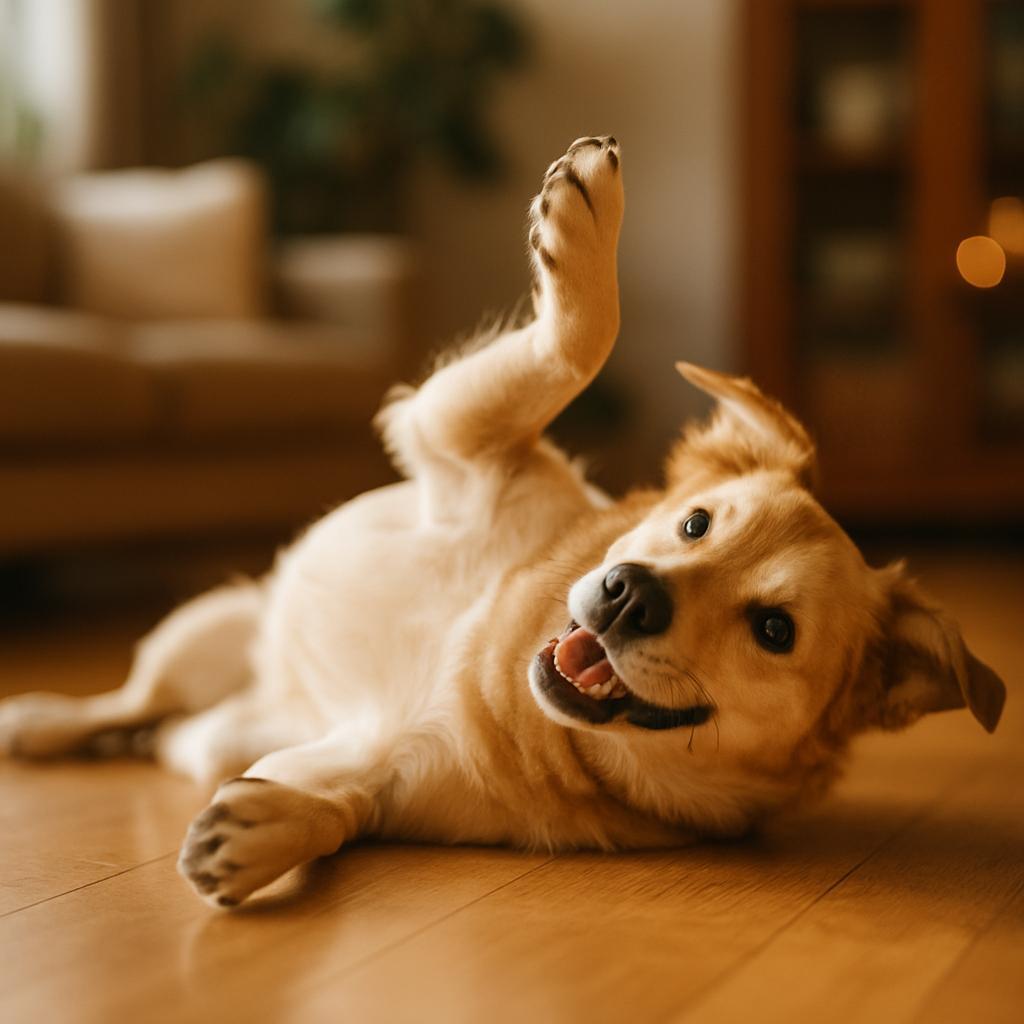
When your dog follows the treat and lays on their side, immediately reward them with praise and the treat. Then, gradually move the treat further in a circular motion, guiding your dog to roll all the way over onto their back and then onto the other side. Reward generously each time your dog completes the partial or full roll.
Continue practicing this motion and pairing it with the verbal cue “roll over.” Over time, your dog will associate the verbal command with the action and eventually perform the roll without needing the treat lure.
Tips for Making Training Sessions Effective and Fun
Consistency is key! practice the roll over trick a few times daily but keep each session short to maintain your dog’s interest. Always use the same command and hand gesture for the trick to avoid confusing your dog.
Use high-value treats that your dog loves to keep them motivated. Incorporate plenty of enthusiastic verbal praise and pets to reinforce positive behavior.Remember to end each session on a positive note with a reward or playtime to keep your dog excited for the next training.
If your dog seems confused or frustrated, take a break and try again later. Breaking down the trick into smaller steps can definitely help make training easier and less overwhelming.
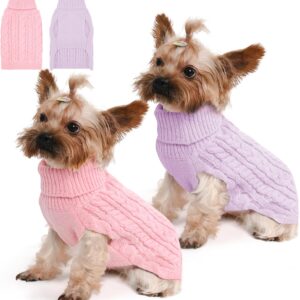
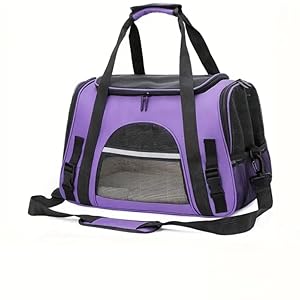
Our Top Product Recommendations

Common Challenges and How to Overcome Them
Some dogs may be hesitant to roll over due to fear, discomfort, or simply not understanding the trick.if your dog is reluctant, try breaking the trick down into smaller steps, such as rewarding your dog for lying on their side before expecting a full roll over.
use gentle encouragement and avoid forcing your dog into the rolling position, as this could cause negative associations with training. Rather, build trust with frequent rewards and patience, reinforcing each small success.
If your dog loses interest, change up the treats or toys you use, make the sessions more playful, or try training at different times of day when your dog is more attentive and energetic.
Frequently Asked Questions
How long does it typically take to teach a dog to roll over?
The time it takes varies based on your dog’s age, temperament, and previous training, but most dogs can learn the roll over trick within a few days to a couple of weeks with regular practice.
Is rolling over safe for all dogs?
Rolling over is generally safe for healthy dogs, but if your dog has joint or back issues, consult your veterinarian before training this trick to avoid causing pain or injury.
What if my dog doesn’t respond to treats?
If your dog isn’t motivated by treats, try using their favourite toy or verbal praise as a reward. Some dogs respond better to playtime or affection rather than food rewards.
Conclusion
Teaching your dog to roll over can be a joyful experience that reinforces your relationship and provides valuable mental exercise for your pet. By using positive reinforcement, staying patient, and practicing consistently, you can quickly and easily help your dog master this classic trick.
Remember that every dog is unique.Celebrate their progress, no matter how small, and most importantly, have fun with the training journey!