Introduction
Welcoming a new puppy into your home is an exciting and joyful experience, but it frequently enough comes with challenges-one of the most common being puppy biting. Puppies naturally explore the world with thier mouths, which can sometimes mean playful nips at your hands. While this behavior is normal, it’s significant to teach your new furry friend to stop biting hands effectively and safely to foster a loving and respectful relationship.
In this blog post, we’ll guide you thru proven techniques to curb puppy biting without causing harm or stress to your pet. Our goal is to help you train your puppy in a kind, patient way that encourages good behavior and protects your hands from those sharp little teeth. Whether you’re a first-time dog owner or need a refresher, these tips will make your puppy training journey smoother and more enjoyable.
understanding Why Puppies Bite Hands
Puppy biting is a natural behavior that serves several important purposes. For young puppies, their mouths are a tool for exploring their environment, much like human babies use their hands. Biting and mouthing the hands of their owners is their way of interacting and playing, and it also helps relieve the discomfort of teething. Understanding the reasons behind this behavior is the first step towards effectively managing and redirecting it.
Another key reason puppies bite hands is to seek attention and engage with their human companions. Sometimes, puppies may not yet understand how much pressure is to much when biting during play. As of this, it’s crucial to teach them early on what is acceptable and what is not-this helps prevent biting from evolving into a more problematic behavior as your puppy grows.
Training Techniques To Stop Puppy From Biting Hands
One of the most effective ways to stop your puppy from biting is through consistent and positive training techniques. Start by teaching your puppy bite inhibition, which is the ability to control the strength of their bite. When your puppy bites your hand during play, immediately let out a sharp but gentle “ouch!” or a similar noise, then stop playing for a moment. this mimics how puppies naturally learn bite limits from their littermates.
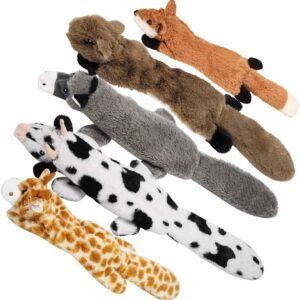
Redirecting your puppy’s biting to appropriate chew toys is another essential strategy. Whenever your puppy attempts to bite your hands, gently replace your hand with a toy. This helps them associate biting with appropriate objects instead of human skin. be sure to provide a variety of chew toys and praise your puppy enthusiastically when they engage with them instead of your hands.
Consistency is key. Everyone in your household must follow the same rules and responses to puppy biting. Mixed signals can confuse your puppy, making training less effective. With patience and persistence, your puppy will learn to control their bite and understand that hands are not playthings.
Our Top Product Recommendations



Creating a Safe and Stimulating Environment
Preventing biting starts with providing your puppy a safe and stimulating environment that meets their physical and mental needs. Puppies that are bored or under-exercised are more likely to use biting as a way to burn off energy or get your attention. Make sure your puppy gets plenty of daily exercise in the form of walks, playtime, and interactive games to keep them happy and tired.
Additionally, providing enrichment toys and puzzle feeders can definately help keep your puppy engaged and reduce unwanted biting behaviors. When your puppy has appropriate outlets for their energy and curiosity, they’re less likely to see your hands as toys. Setting clear boundaries in your home with baby gates or designated puppy-proof areas can also help you manage interactions and reduce the chance of biting incidents.
socializing your puppy with other dogs and people in a controlled environment teaches them important social skills and bite control. Well-socialized puppies tend to learn bite inhibition naturally from their canine peers, which can reduce biting directed at humans.
Frequently asked Questions
Why do puppies bite hands so much?
Puppies bite hands mainly to explore their environment, play, and relieve teething discomfort. Biting is a natural part of puppy progress, but it’s important to teach them limits on how and when to use their mouths during playtime.
When should I start training my puppy to stop biting?
Training to stop biting should start as soon as you bring your puppy home, typically around eight weeks old. Early consistent training is crucial for teaching bite inhibition and setting boundaries before biting becomes a habit.
Is it safe to use deterrent sprays to stop puppy biting?
Yes, deterrent sprays like bitter apple or other natural no-chew sprays can be safe and effective when used properly. They make your skin taste unpleasant to the puppy, discouraging biting. Always choose pet-safe products and combine their use with positive training techniques.
Conclusion
Stopping your puppy from biting hands requires patience, consistency, and gentle guidance. Understanding why puppies bite and providing clear boundaries, appropriate chew toys, and abundant mental and physical stimulation are the cornerstones of triumphant bite training. Remember, your puppy is learning how to communicate with you, so using positive reinforcement and redirecting their behavior is key to fostering a loving and respectful bond that lasts a lifetime.
By applying the tips and tools shared in this post, you’re well on your way to helping your puppy grow into a well-mannered and happy companion. With time and dedication, those sharp little teeth will be a thing of the past, replaced by gentle and playful paws!