Introduction
Dealing with an aggressive dog can be challenging and even intimidating for many dog owners. Aggression in dogs may stem from fear, territorial instincts, or past trauma, but with the right approach, it is possible to transform your dog’s behavior into something more manageable and positive. Training an aggressive dog at home requires patience, consistency, and a clear understanding of canine behavior to ensure both your safety and the well-being of your furry friend.
In this detailed guide, we will walk you through effective and safe techniques to train an aggressive dog within the comfort of your home. Whether you’ve recently noticed signs of aggression or have been struggling for some time, these tips will help you regain control and build a trusting relationship with your dog.
understanding the Causes of Aggression in Dogs
Before diving into training techniques, it’s crucial to understand why your dog might potentially be showing aggression. Aggression can manifest in many ways, such as growling, snapping, biting, or territorial behavior, and the root causes vary widely.Common reasons include fear, pain, lack of socialization, or protective instincts. By recognizing the underlying trigger, you can tailor your approach to address the specific issue causing your dog’s behavior.
In some cases,medical problems like injuries or neurological issues can also lead to aggression,so a visit to the vet should be your first step if you notice sudden or unusual aggressive behavior. Once medical causes are ruled out,you can focus on behavioral training methods that are both effective and kind to your pet.
Step-by-Step Training Techniques to Manage Aggression
Training an aggressive dog requires a structured plan that incorporates positive reinforcement and safety precautions. Start by establishing clear boundaries and rules that your dog can understand, such as using commands like “sit,” “stay,” and “leave it.” Reward your dog with treats and praise when they respond correctly. Avoid punishment-based methods, as these can increase fear and aggression.
Next, work on desensitization and counter-conditioning techniques. This involves exposing your dog gradually to the triggers of their aggression at a low intensity and rewarding calm responses. Such as, if your dog reacts aggressively to strangers, practice controlled introductions at a distance where your dog feels safe and reward calm behavior. Over time, slowly decrease the distance while maintaining positive reinforcement.
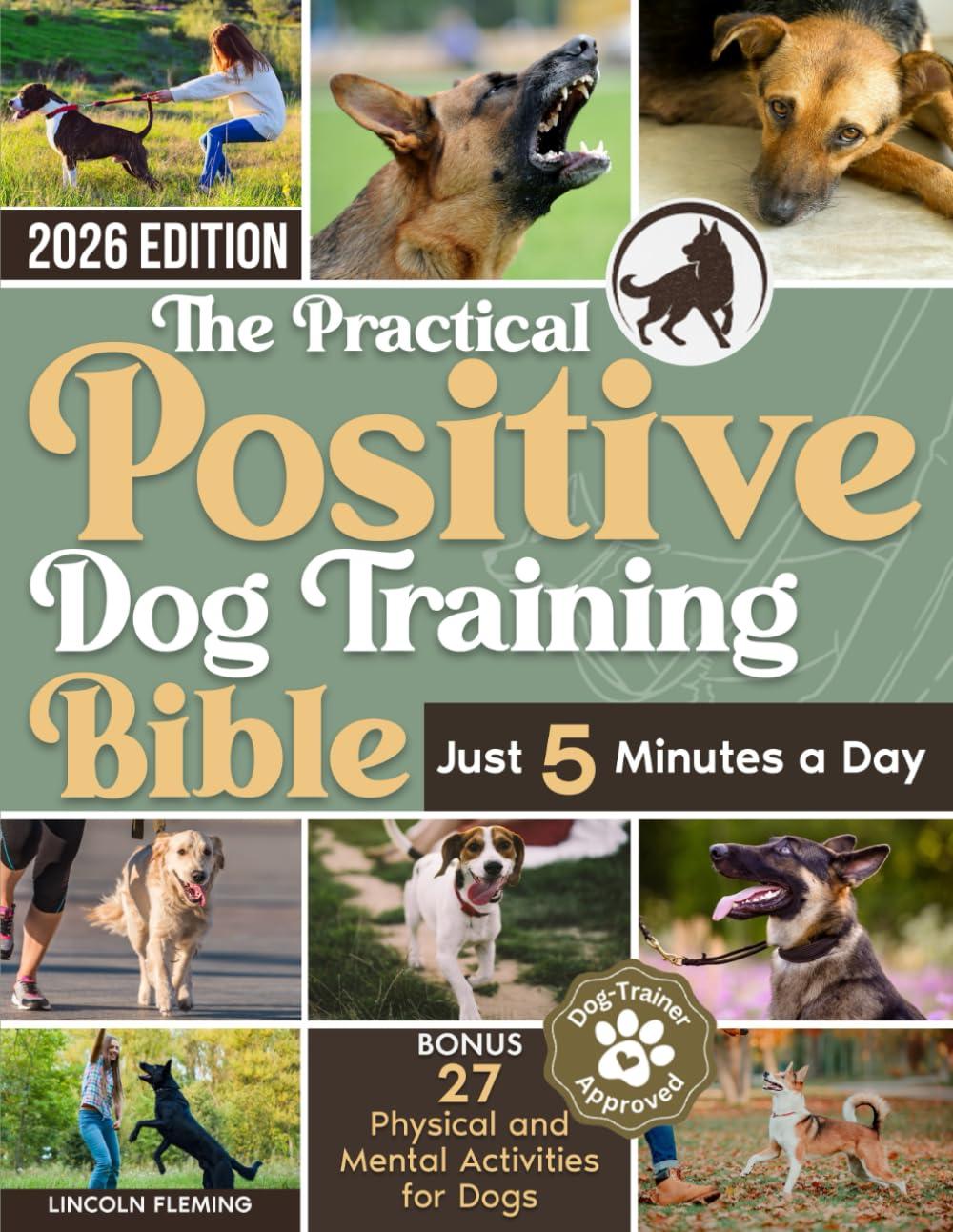
Our Top Product Recommendations

safety Precautions during Training
When training an aggressive dog, safety is paramount to prevent injury to yourself, your dog, and others. Always use a secure leash and harness during any training session, especially outside your home. Avoid situations where your dog may feel cornered or trapped, as this can escalate aggression. If your dog shows signs of extreme aggression or unpredictability, consider consulting a professional trainer or behaviorist before proceeding.
Additionally,never force your dog into interactions they are not comfortable with. Instead, focus on slowly building confidence and trust through positive experiences.Consistency and calm leadership will help your dog feel secure and reduce aggressive tendencies over time.
Lastly, educate everyone in your household about the training process and safety measures. This unified approach ensures that everyone responds appropriately to aggressive behaviors and supports your dog’s rehabilitation journey.
Frequently Asked Questions
Can I train my aggressive dog without professional help?
Yes, many dog owners can successfully train their aggressive dogs at home using positive reinforcement, patience, and consistent techniques. Though, it depends on the severity of the aggression. For severe cases, professional guidance is highly recommended to ensure safety and effective results.
How long does it take to see improvements in aggressive behavior?
Improvement timelines can vary widely depending on your dog’s temperament, the underlying causes of aggression, and how consistently training is applied.Some dogs may show progress within a few weeks, while others might take several months to fully adjust their behavior.
Is punishment-based training effective for aggressive dogs?
Punishment-based training is generally discouraged for aggressive dogs as it can increase fear, anxiety, and worsen aggression.Positive reinforcement, which rewards desired behaviors, is a safer and more effective approach for managing aggression.
Conclusion
Training an aggressive dog at home may seem daunting, but with the right knowledge and tools, it is certainly achievable. Understanding the root causes of aggression, applying gradual and safe training methods, and prioritizing safety will pave the way for better behavior and a stronger bond between you and your dog.
Remember to stay patient, celebrate small victories, and seek professional support when needed. Your commitment to consistent and compassionate training will help your dog thrive in a calm and loving surroundings.