Introduction
Skin allergies in dogs can be a persistent and uncomfortable problem that leaves your furry friend scratching and feeling irritated. As a caring pet owner, finding the right dog food specifically formulated to soothe and support sensitive skin is essential. Thankfully, numerous high-quality dog foods on the market help reduce allergic reactions and promote healthy, itch-free skin.
In this thorough guide,we’ll explore the top best dog foods tailored for skin allergies,highlighting key ingredients and nutritional benefits that contribute to skin health. Whether your dog suffers from seasonal allergies, food sensitivities, or environmental triggers, choosing the right diet can significantly improve their comfort and quality of life.
Why Choosing the Right Dog Food Matters for Skin Allergies
Skin allergies in dogs frequently enough stem from adverse reactions to certain ingredients found in their diet or environmental allergens. When selecting dog food for skin allergies, it is indeed crucial to focus on formulas that limit common allergens and include nutrients that support the skin’s natural barrier and immune system. Foods rich in omega fatty acids,quality proteins,and antioxidants help reduce inflammation and promote healing of irritated skin.
Furthermore,many commercial dog foods contain fillers,artificial additives,and grains that may exacerbate allergic reactions. Hypoallergenic or limited ingredient diets are specifically designed to minimize these issues by simplifying the ingredient list, which reduces the risk of allergic triggers. Choosing such tailored foods can make a remarkable difference in controlling itching, redness, and other symptoms of skin allergies.
Key Ingredients to Look For in Dog Food for Skin Allergies
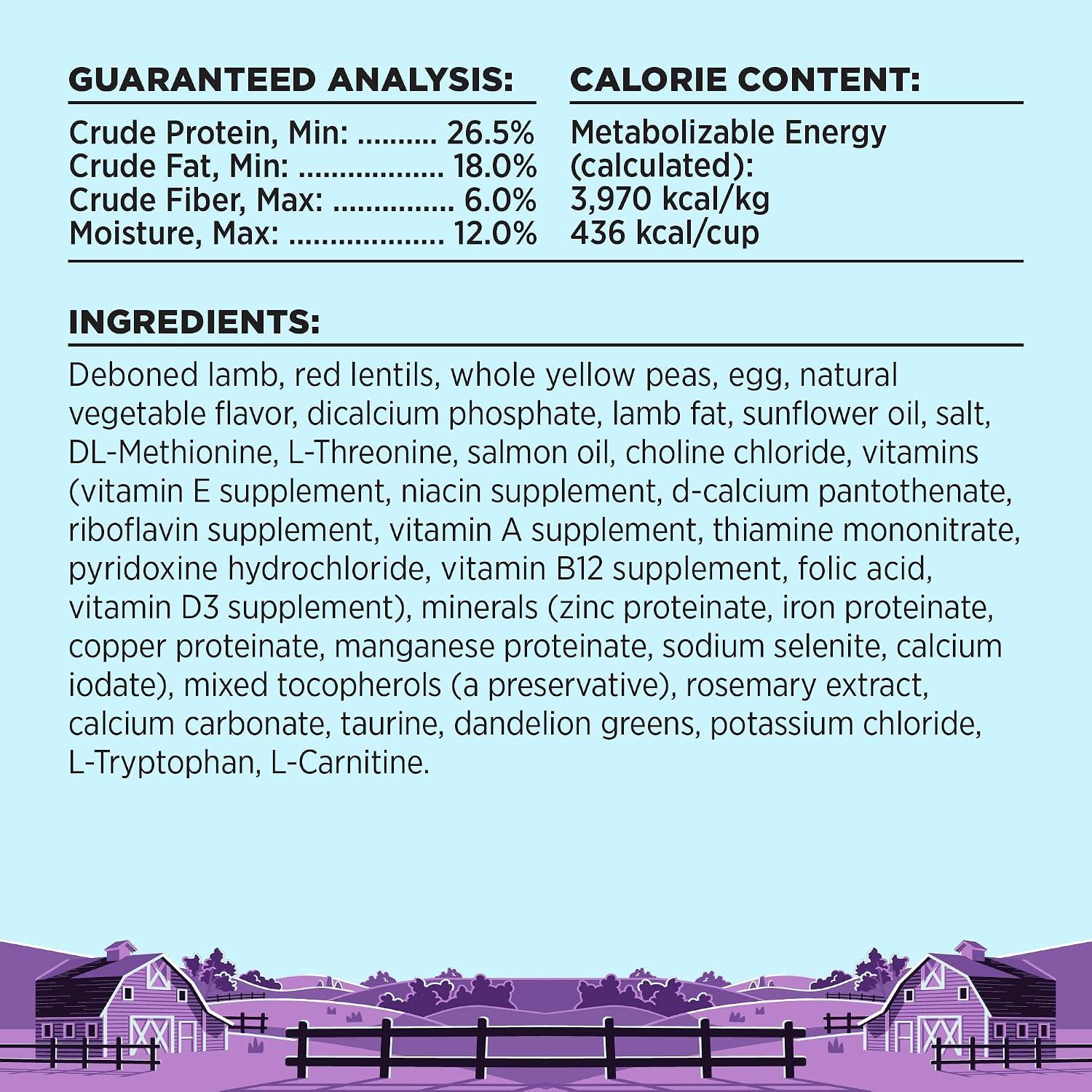
When shopping for dog food to support skin health and reduce allergies, certain ingredients stand out due to their beneficial effects.Omega-3 and omega-6 fatty acids, usually derived from fish oil or flaxseed, are essential for hydrating the skin from within and calming inflammation. These fatty acids help maintain the skin’s elasticity and protect against environmental irritants.
Another important component is quality protein from single, novel sources like lamb, duck, or venison. Novel proteins are less likely to cause allergic reactions compared to more common proteins such as chicken or beef. Additionally, antioxidants like vitamin E and vitamin C strengthen the immune system, enabling your dog’s body to better fight off allergens.
It’s also beneficial to avoid artificial preservatives, colors, and fillers like corn, wheat, and soy, as these can worsen allergic responses. Rather, look for grain-free formulas or those containing easily digestible carbohydrates such as sweet potatoes or peas.
Our Top Product Recommendations
How to Transition Your Dog to a New Allergy-Kind Food
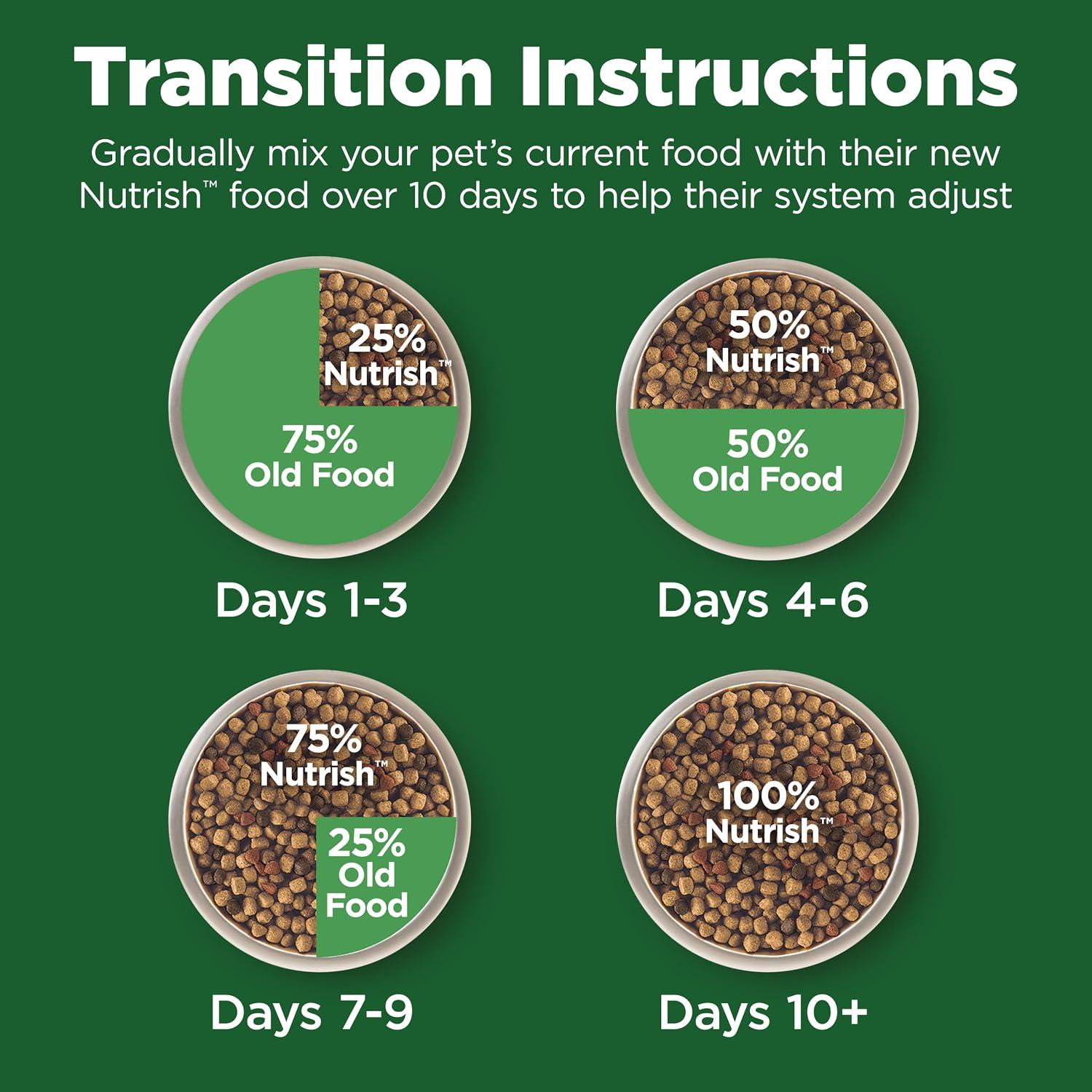
Switching your dog to a new food designed to alleviate skin allergies requires patience and care. Abrupt changes in diet can upset your dog’s digestive system, perhaps worsening symptoms or adding new issues. To avoid this, gradually introduce the new food over the course of 7 to 10 days by mixing it with their current diet, slowly increasing the proportion of the new food daily.
Monitor your dog’s response throughout the transition. Look for reductions in scratching, redness, and irritation. Additionally,keep an eye on their stool quality and overall energy level to ensure the new diet is well tolerated.If you notice severe reactions or digestive upset, consult your veterinarian promptly to discuss option options or possible food sensitivities.
Consistency is key with allergy management. Feeding your dog the selected hypoallergenic food consistently will maximize the benefits and help maintain clear, healthy skin over time.
Frequently Asked Questions
what ingredients shoudl I avoid if my dog has skin allergies?
Common ingredients to avoid include artificial preservatives, fillers like corn, soy, and wheat, and proteins that your dog has previously reacted to, such as chicken or beef. Opt for limited ingredient diets or formulas with novel proteins and grain-free options to reduce allergy triggers.
Can supplements help with my dog’s skin allergies?
Yes, supplements like omega-3 fatty acids (fish oil), vitamin E, and probiotics can support skin health by reducing inflammation and promoting a balanced immune response. However, these should be used as complementary to a proper diet formulated for allergies.
How long does it take to see improvements after changing my dog’s food?
Typically, it can take 4 to 8 weeks to observe noticeable improvements in your dog’s skin condition after switching to an appropriate allergy-friendly food. Patience and consistency in feeding the new diet are crucial for the best results.
Conclusion
Managing your dog’s skin allergies through diet is a proactive way to help them stay cozy and itch-free. By choosing foods that are rich in essential fatty acids, contain novel proteins, and avoid common allergens, you can greatly reduce your pup’s skin irritation and promote overall health. Always consult with your veterinarian to tailor the feeding plan to your dog’s specific needs and monitor their progress closely.
Providing your dog with the right nutrition not only soothes their itchy skin but also enhances their quality of life, allowing you both to enjoy more happy and healthy moments together.