Introduction
Maintaining a healthy weight is crucial for your dog’s overall well-being and longevity. Just like humans, overweight dogs are at higher risk for health issues such as diabetes, joint problems, and heart disease. Fortunately, one of the most effective ways to help your furry friend shed extra pounds and stay fit is by feeding them the best dog food formulated specifically for weight loss.
This blog post will guide you through everything you need to know about dog food for weight loss, including key ingredients to look for, benefits of specialized diets, and our top product recommendations. Whether your pup is mildly overweight or needs to slim down significantly, these insights will help you make smart nutritional choices to keep your pet healthy, happy, and energetic.
Why choosing the Right Dog Food is Essential for Weight Loss
When it comes to helping your dog lose weight, not all foods are created equal. The right dog food can support healthy metabolism, provide sufficient energy without excess calories, and promote lean muscle mass retention. weight loss dog foods are typically lower in calories but rich in essential nutrients to ensure your dog stays healthy while shedding pounds.
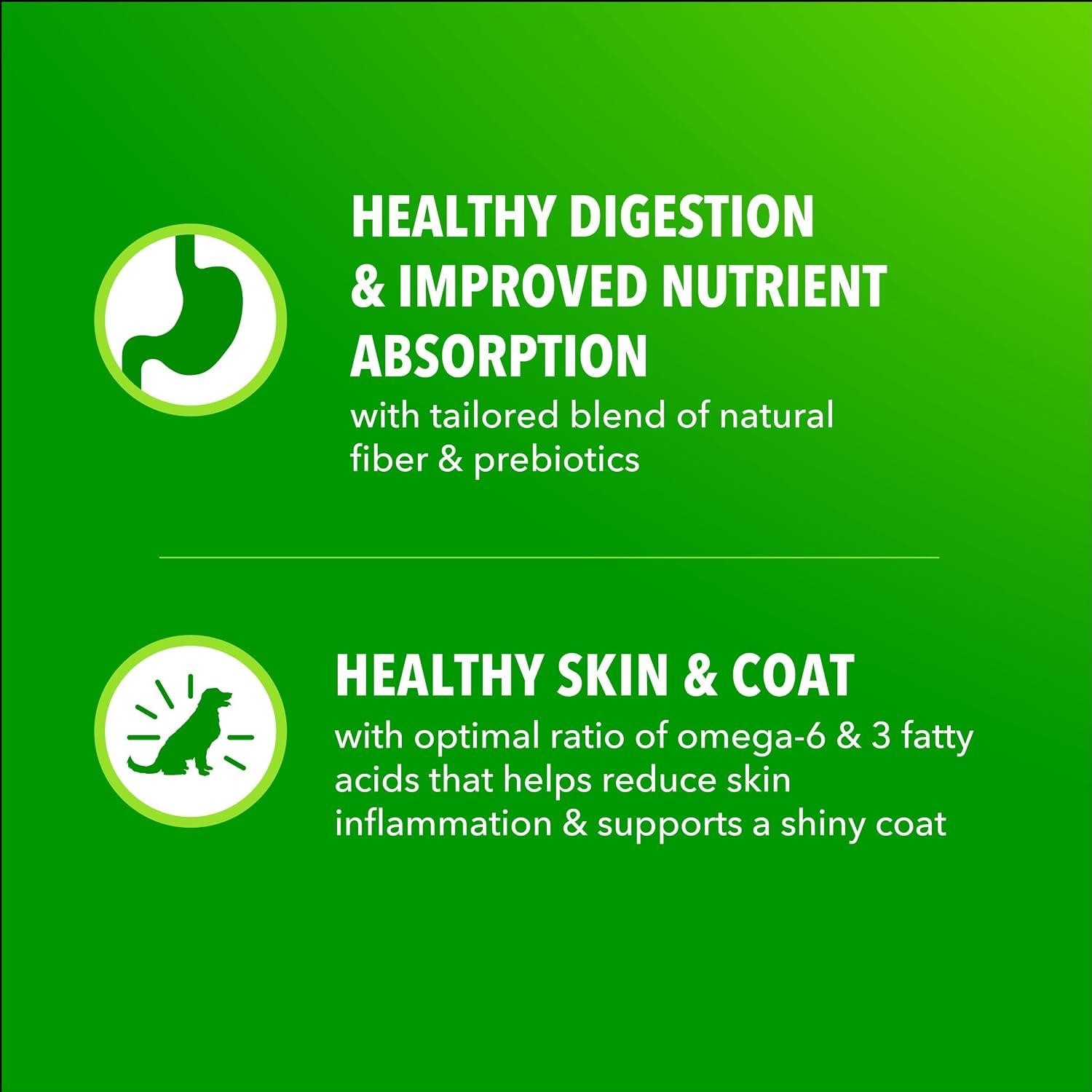
Choosing a specialized diet formulated for weight loss helps control portion sizes and reduces the risk of binge eating or snacking on harmful foods. Additionally,many weight management dog foods contain high fiber content,which improves digestion and helps your dog feel full longer,preventing overeating.
by switching to a high-quality weight loss dog food, you also minimize the intake of unhealthy fillers, excessive fats, and sugars that can contribute to weight gain. Ultimately, the right dog food becomes an important tool in your dog’s weight management plan, combined with regular exercise and veterinary support.
Key ingredients to Look For in Weight Loss Dog Food
When selecting the best dog food to support weight loss, focus on key ingredients that promote fat burning, muscle preservation, and overall health. High-quality protein sources like chicken, turkey, or fish are essential to help maintain lean muscle, which is crucial for boosting metabolism during weight loss.
Fiber is another important component to look for in weight management formulas. Ingredients such as beet pulp, pumpkin, or sweet potatoes add bulk to your dog’s diet, aiding digestion and curbing appetite by increasing the sense of fullness. Complex carbohydrates that release energy slowly also provide steady fuel for active dogs without causing blood sugar spikes that contribute to fat storage.
Avoid dog foods high in simple sugars, corn, wheat, and other fillers that provide empty calories.Instead, opt for foods rich in antioxidants, vitamins, and minerals to support your dog’s immune system while they lose weight gradually and healthfully.
Our Top Product Recommendations
How to Incorporate Weight Loss Dog Food into Your Dog’s Routine
Transitioning your dog to a new weight loss food should be done gradually to avoid digestive upset.Start by mixing a small amount of the new food with their current diet and gradually increase the proportion over 7 to 10 days until your dog is fully switched over. This will help your dog’s system adjust smoothly to the dietary change.
Along with feeding a weight control food, controlling portion sizes according to your vet’s recommendations is crucial. Overfeeding-even healthy food-can stall or reverse your dog’s weight loss progress. Use measuring cups or a kitchen scale to ensure consistent and accurate meal portions.
Regular exercise complements the benefits of a weight loss diet. Aim for daily walks, play sessions, and interactive activities tailored to your dog’s age and physical condition. Combining diet and exercise will help maximize fat burning and improve overall stamina and mood.
frequently Asked Questions
Can I feed my dog weight loss food if they are only slightly overweight?
Yes, feeding your dog a weight management formula is a great proactive step even if they are only mildly overweight. These foods are designed to reduce calorie intake while providing balanced nutrition, which helps prevent further weight gain and supports gradual, healthy weight loss.
How long does it typically take for dogs to lose weight with specialized food?
Weight loss timelines vary depending on the dog’s starting weight, activity level, and the specific diet. Generally, a safe and effective weight loss speed is about 1-2% of the dog’s body weight per week. Consistency with feeding and exercise is key to achieving results over several weeks to a few months.
Is it okay to give treats while my dog is on a weight loss diet?
Treats can be given in moderation,but it’s important to choose low-calorie,healthy options specifically designed for weight control. Treats should make up no more than 10% of your dog’s daily calorie intake. Always account for treat calories when planning your dog’s overall diet to prevent overfeeding.
Conclusion
Choosing the best dog food for weight loss is an essential step in ensuring your dog stays healthy, energetic, and free from obesity-related health issues.by selecting nutritionally balanced, calorie-controlled food rich in proteins and fiber, you can support your dog’s gradual and lasting weight loss journey.
Remember that diet alone isn’t enough-pairing the right weight loss food with regular exercise and portion control maximizes success. With patience and consistency, your dog will be on the path to a healthier, happier life in no time.