Introduction
Skin allergies are a common issue that many dog owners face, causing discomfort and distress for their beloved pets. These allergies can manifest as itching, redness, hair loss, and even infections, leading to an overall decrease in your dog‘s quality of life. Fortunately, one of the most effective ways to combat skin allergies is through proper nutrition-specifically, feeding your dog the right kind of food formulated to support healthy skin and reduce allergic reactions.
Choosing the best dog food for skin allergies is essential for maintaining your pet’s health and comfort. With so many options available, it can be overwhelming to find the right formula tailored to your dog’s needs. This blog post will guide you through the key elements of anti-allergy dog foods and recommend top products to help your furry friend stay healthy and itch-free.
Understanding Skin Allergies in Dogs and the Role of Diet
Skin allergies, also known as atopic dermatitis, occur when a dog’s immune system overreacts to environmental factors or food ingredients, resulting in inflammation and irritation.Common allergens include pollen, dust mites, certain proteins, and additives found in many commercial dog foods. Identifying allergens and eliminating them from your dog’s diet can significantly improve their skin condition.
The connection between diet and skin health cannot be overstated. A dog’s skin requires a delicate balance of nutrients such as omega-3 and omega-6 fatty acids, vitamins, and high-quality proteins to maintain its protective barrier. Foods rich in these nutrients help reduce inflammation and promote healing, making dietary changes a cornerstone of managing skin allergies.
Key Ingredients to Look for in Dog Food for Skin Allergies
When selecting dog food formulated for skin allergies, it’s important to focus on the ingredients that support skin health and reduce allergic flare-ups. Here are some essentials to consider:
- Limited Ingredient Diets (LID): These diets minimize the number of ingredients to reduce potential allergens, often featuring a single protein source like lamb, duck, or fish.
- Novel Proteins: Proteins that your dog has not been commonly exposed to, such as venison or bison, can help prevent allergic reactions linked to common proteins like beef or chicken.
- Omega Fatty acids: DHA and EPA found in fish oils and certain plant oils reduce inflammation and promote healthy skin and coat.
- Probiotics and Prebiotics: these support a healthy gut, which can influence the immune system and help alleviate allergy symptoms.
It is also advisable to avoid artificial colors, flavors, and preservatives, as these can exacerbate skin allergies in sensitive dogs.
Our Top Product Recommendations
Transitioning Your Dog to a Skin-Kind Diet
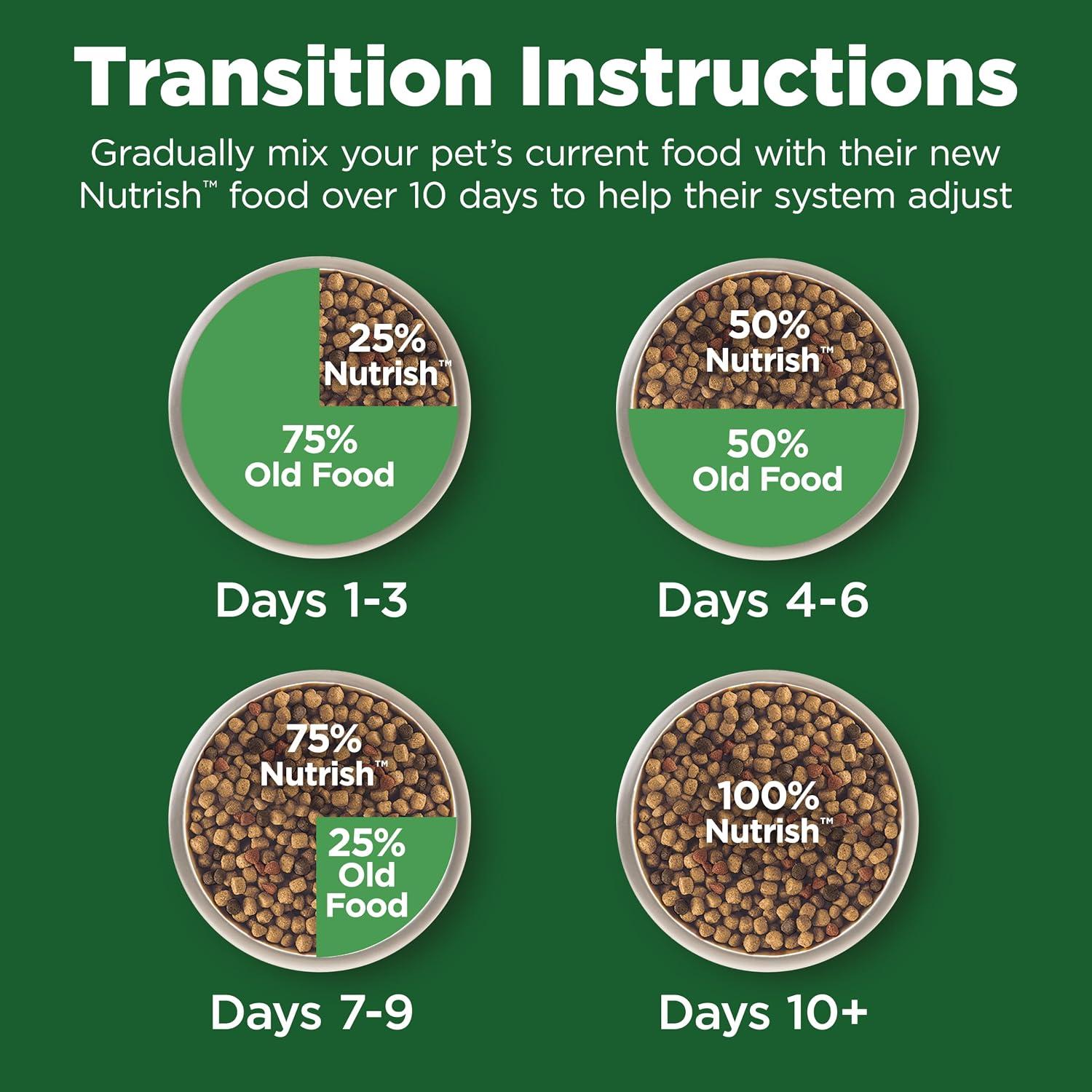
Switching your dog’s food to a new formula designed for skin allergies should be done gradually to avoid digestive upset. Start by mixing a small amount of the new food with your dog’s current food and slowly increase the new food portion over 7-10 days until the transition is complete. Monitor your dog for any allergic reactions or digestive issues during this period.
It’s important to consult your veterinarian before making significant dietary changes,especially if your dog has existing health conditions. Your vet might also recommend allergy testing to pinpoint specific triggers and ensure you select the best food to alleviate your dog’s symptoms effectively.
Frequently asked Questions
Can food allergies cause skin problems in dogs?
Yes, food allergies are a common cause of skin problems in dogs. Ingredients such as beef, chicken, dairy, and grains can sometiems trigger allergic reactions that present as itchy skin, redness, and hot spots.
How long does it take for dog food to improve skin allergies?
Improvement can typically be seen within 4 to 8 weeks after switching to a hypoallergenic or limited ingredient diet. though, the exact timeline may vary depending on the severity of the allergy and the individual dog’s response.
Are grain-free dog foods better for skin allergies?
Grain-free diets can definitely help some dogs with skin allergies, especially if thay are allergic to specific grains. Though, not all dogs will benefit from grain-free formulas-it’s essential to identify the specific allergen and choose dog food accordingly.
Conclusion
Managing skin allergies in dogs requires a multi-faceted approach, and diet plays a crucial role in this process. Feeding your pet the best dog food for skin allergies that includes limited ingredients,novel proteins,and essential fatty acids can significantly reduce itching and improve skin health.By making informed food choices and working closely with your vet, you can help your furry friend enjoy a comfortable, happy, and healthy life free from the discomfort of skin allergies.
Remember, patience and consistency are key when addressing skin allergies. With the right nutrition, your dog’s skin condition can improve, making mealtime a step toward a better quality of life.