Introduction
Finding the right dog food for your furry friend can be a challenge, especially when they have sensitive stomachs or allergies. Chicken, one of the most common protein sources in dog food, can sometimes trigger uncomfortable reactions or digestive issues for certain dogs. For dog owners dealing with these concerns, opting for dog food without chicken is a smart and health-conscious choice.
In this blog post, we will explore the best dog food options without chicken that cater specifically to sensitive stomachs and allergies. From understanding why chicken might not be suitable to highlighting top alternatives, our goal is to help you make an informed decision to keep your pup healthy, happy, and thriving.
Why Choose Dog Food Without Chicken for sensitive Stomachs?
Chicken is a popular protein in many dog foods due to its affordability and nutritional profile. However, it is also one of the most common allergens in dogs. Dogs with food allergies or intolerances can experience symptoms like itching, digestive upset, skin irritation, and ear infections triggered by chicken proteins. For dogs with sensitive stomachs, chicken or chicken by-products may cause digestive distress such as vomiting, diarrhea, or gas.
Choosing dog food without chicken removes the risk of exposing your dog to a common allergen, making it easier to manage or eliminate allergy symptoms. Additionally, it encourages dog owners to explore option protein sources like lamb, beef, fish, or turkey which can be gentler on sensitive digestive systems. A food formulated without chicken but with high-quality ingredients can greatly improve your dog’s overall wellbeing.
Key Ingredients to Look for in Chicken-Free Dog Food
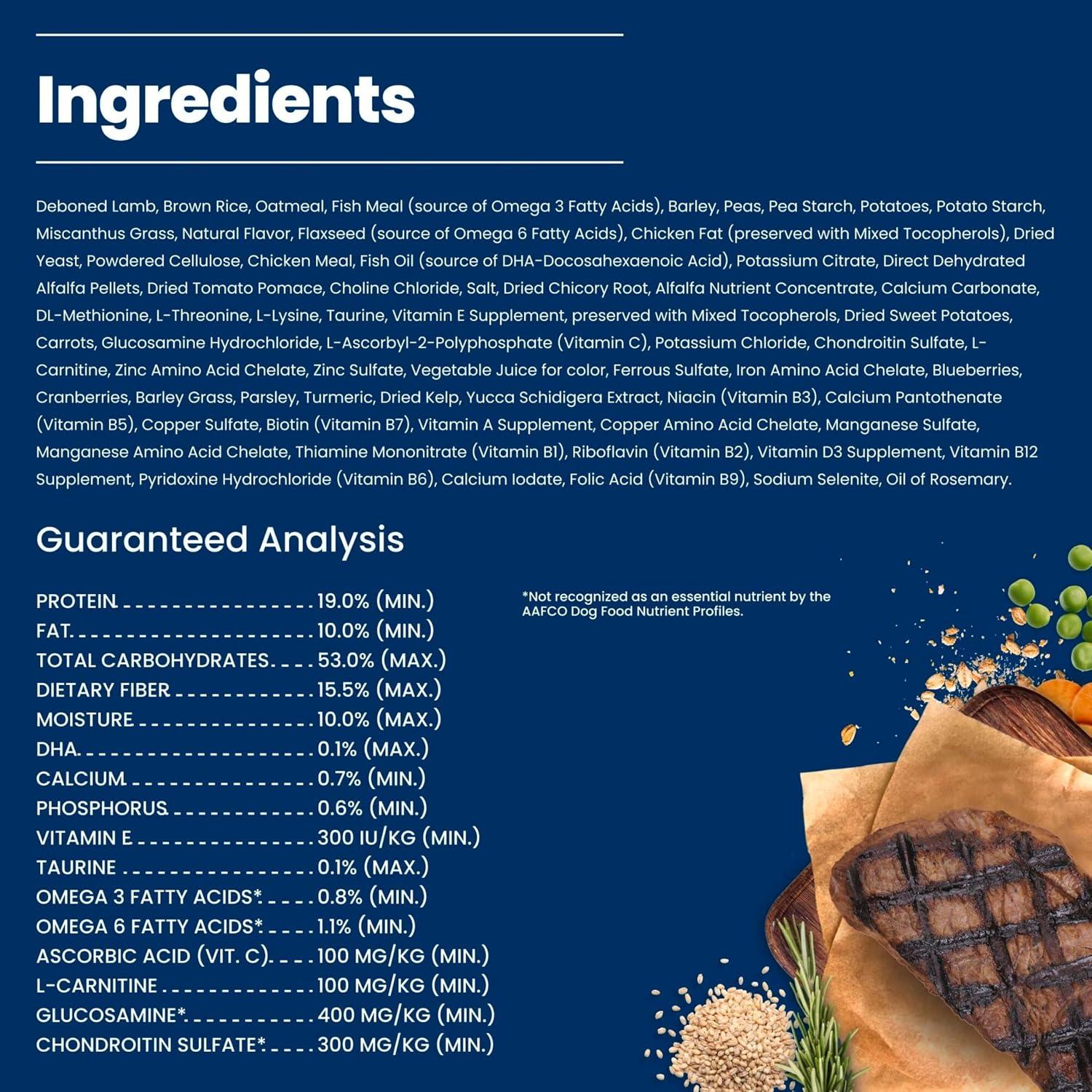
When selecting dog food without chicken for your dog’s sensitive stomach, it’s important to focus on quality ingredients that provide balanced nutrition. One of the best options is lamb, which is less likely to cause allergic reactions and is rich in essential amino acids.Other excellent protein sources include fish such as salmon or whitefish, which also contain omega-3 fatty acids to promote healthy skin and coat.
Besides protein, look for dog foods that contain easily digestible carbohydrates like sweet potatoes, brown rice, or oats to support gentle digestion. Avoid foods with fillers, artificial preservatives, colors, or flavors that can further irritate your dog’s stomach. Additionally,probiotics and natural fibers are beneficial for maintaining gut health and improving nutrient absorption in dogs with sensitive digestion.
Always check the ingredient list carefully and opt for formulas that clearly label their ingredient sources to avoid hidden chicken proteins or by-products. Clarity in ingredients is crucial to avoid accidental exposure and flare-ups in sensitive dogs.
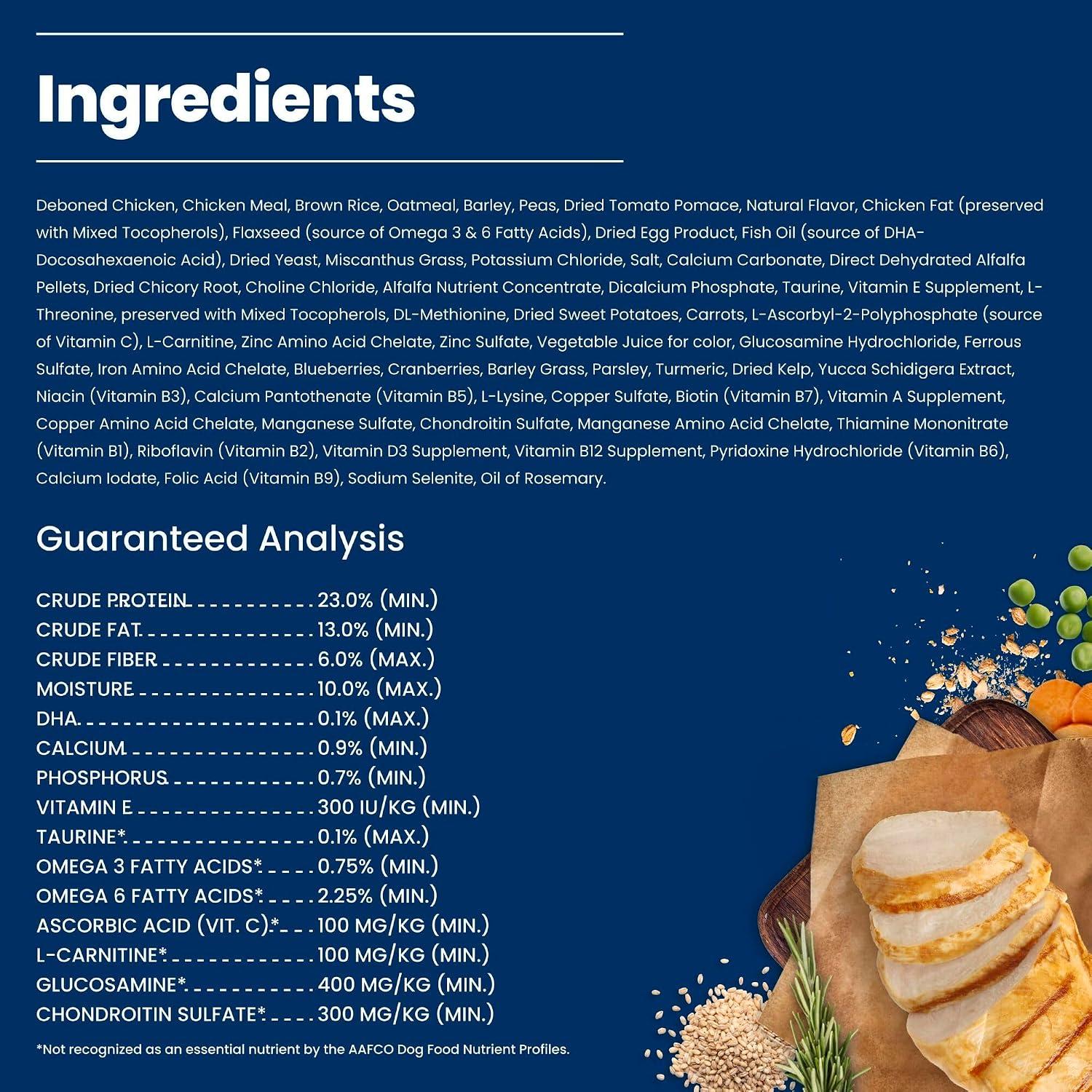
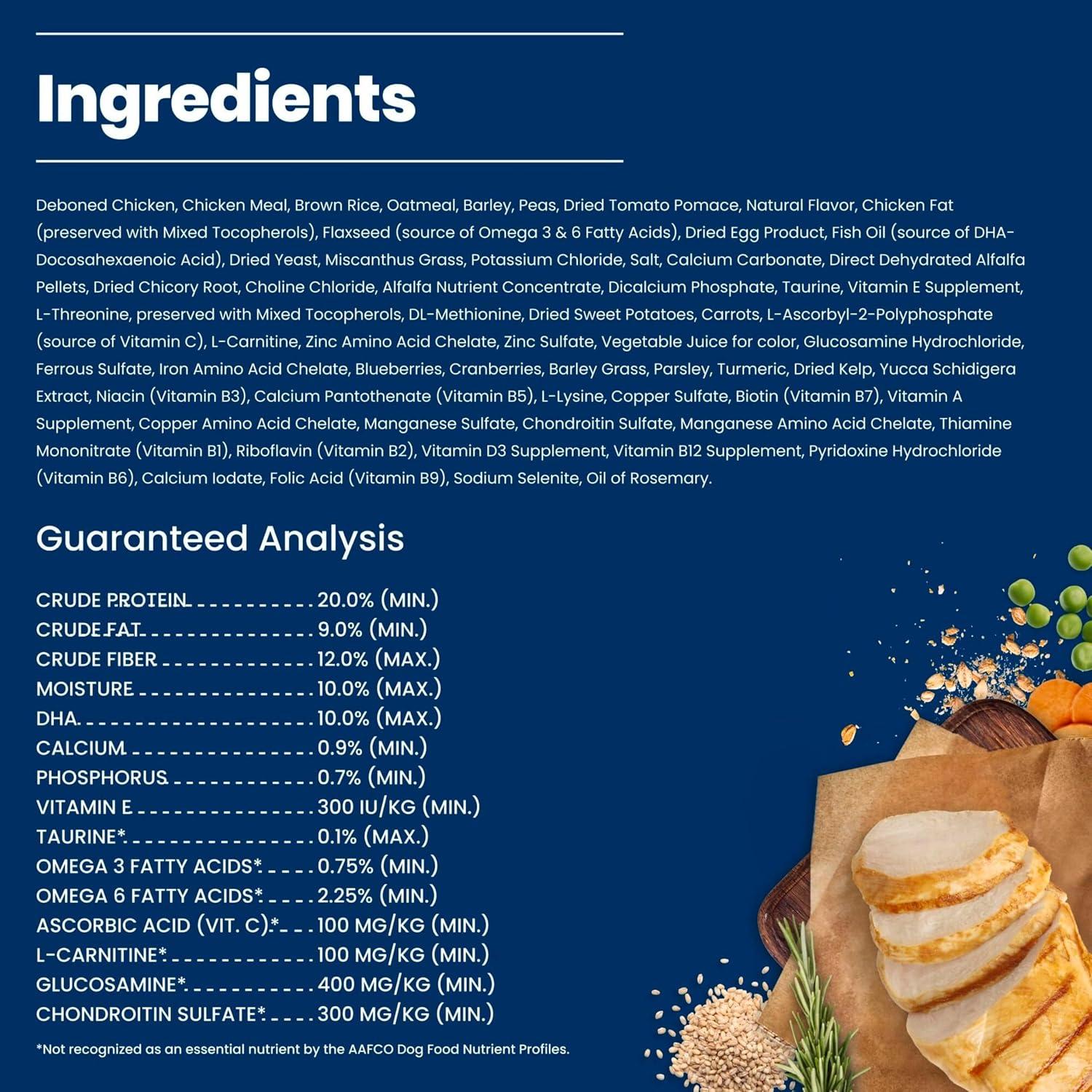
Our Top Product Recommendations
Transitioning your Dog to Chicken-free Food Safely
Switching your dog to chicken-free food requires patience and care to avoid stomach upset. A gradual transition over 7-10 days helps your dog’s digestive system adjust to the new ingredients. Start by mixing a small portion of the new food with the current diet, slowly increasing the new food’s proportion daily.
Watch your dog closely for any signs of discomfort or allergic reaction during this period. Symptoms like vomiting, diarrhea, or itching may indicate intolerance to ingredients other than chicken, so consult your vet if issues arise. Maintaining a consistent feeding schedule and portion control is also essential to support your dog’s digestion and overall health during this change.
Consult your veterinarian before making dietary changes especially if your dog has a known history of allergies or gastrointestinal problems.Your vet can recommend specialized hypoallergenic formulas or supplements to enhance your dog’s diet further.
Frequently Asked Questions
How do I know if my dog is allergic to chicken?
Signs of a chicken allergy in dogs frequently enough include itching, redness, chronic ear infections, vomiting, diarrhea, and recurring skin issues. If your dog consistently shows these symptoms after eating foods containing chicken, it’s an excellent idea to consult your veterinarian.They may recommend an elimination diet or allergy testing to confirm the allergy.
Are all dog foods labeled as “grain-free” good for sensitive stomachs?
not necessarily. While grain-free dog foods may reduce some allergens, they are not automatically suitable for sensitive stomachs or dogs with allergies. It’s important to check the overall ingredient list and avoid any known allergens, including chicken or by-products. Some grain-free diets can still contain ingredients that irritate certain dogs, so choose carefully and based on your dog’s specific sensitivities.
Can dogs with chicken allergies eat eggs or dairy products?
Eggs are often a good alternative protein for dogs allergic to chicken, but some dogs can also be allergic to eggs. Dairy products should be given with caution since many dogs are lactose intolerant. Always introduce new foods slowly and monitor your dog for adverse reactions. Consulting with your vet ensures that you provide a balanced and safe diet for your dog’s needs.
Conclusion
Choosing the best dog food without chicken for sensitive stomachs and allergies is essential to maintaining your dog’s health and comfort. By understanding common allergens and opting for high-quality,chicken-free formulations,you provide your dog with balanced nutrition tailored to their unique needs. Remember to transition gradually and involve your veterinarian to ensure the best possible care.
With the right food and proper management, your dog can enjoy mealtime without discomfort, ensuring a happier and healthier life by your side.