Introduction
Separation anxiety in dogs is a common behavioral issue that affects many pet owners. It occurs when a dog becomes highly distressed and anxious when left alone or separated from their favourite humans. This condition can lead to destructive behaviors, excessive barking, pacing, and even physical symptoms like drooling or trembling. Understanding how to recognize, treat, and prevent separation anxiety is essential to helping your furry friend feel safe and secure.
In this blog post, we will explore effective solutions and treatment options to manage separation anxiety in dogs. Whether you have a puppy or an adult dog struggling with this challenge, our friendly guide will provide practical tips and insights to make separation easier and improve your pet’s overall well-being.
Understanding Separation Anxiety in dogs and Its Causes
Separation anxiety is more than just a dislike of being alone; it is a serious emotional response that dogs experience when they perceive abandonment or isolation. This anxiety typically arises when teh dog strongly bonds with their owner and feels threatened by their absence. The symptoms can manifest in various ways, such as destructive chewing, incessant barking or howling, attempts to escape, or even accidents in the house despite being trained.
The causes of separation anxiety vary but often include changes in routine, moving to a new house, loss of a family member or another pet, or even a traumatic event. Puppies may develop anxiety during the critical socialization period if they have not been properly exposed to being alone. Importantly, some breeds are more prone to separation anxiety due to their attachment tendencies and temperament.
How to Treat Separation anxiety in Dogs
Treating separation anxiety involves both behavioral modification techniques and environmental management to reduce your dog’s stress when left alone. One of the most effective approaches is desensitization and counter-conditioning.This means gradually getting your dog used to being alone for short periods and pairing those moments with positive experiences, like treats or favorite toys, so they associate solitude with something good.
Another key treatment method is creating a safe and comfortable environment for your dog. This includes using crate training if appropriate since many dogs feel secure in a cozy den-like space. It’s also helpful to limit dramatic departures and arrivals, such as avoiding long goodbyes that can increase anxiety. Consistent daily exercise and mental stimulation are essential to tire your dog out, reducing their anxiety levels when you leave.
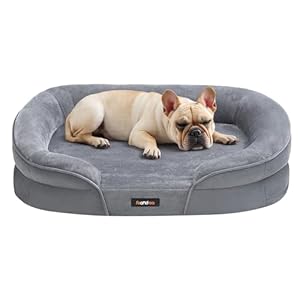
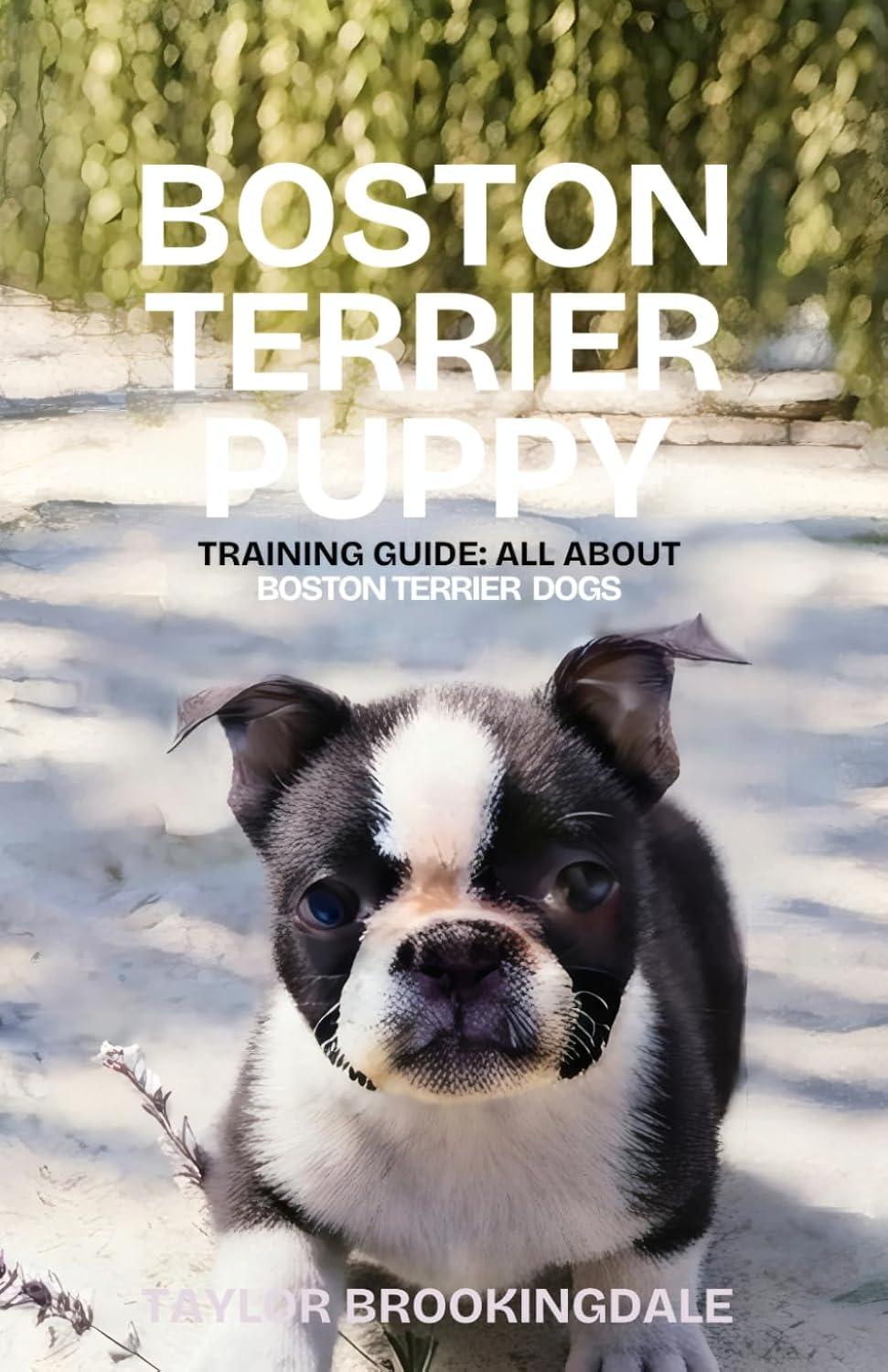
Our Top Product Recommendations


Practical Behavioral Techniques to Help Your Dog
There are several at-home strategies dog owners can implement to help reduce separation anxiety symptoms. First, try practicing “stay” and “sit” commands with your dog, progressively increasing the time they spend alone. Always reward calm behavior and avoid punishing signs of anxiety, as this can worsen the problem.
Another helpful tip is to use interactive toys or food puzzles that keep your dog mentally engaged during your absence. These can distract and calm anxious dogs, making their alone time less stressful.Additionally, playing calming music or using pheromone diffusers designed for dogs may help soothe their nerves.
It’s important to remain patient and consistent. Anxiety in dogs doesn’t disappear overnight, but with steady effort and positive reinforcement, your dog can learn to feel comfortable and confident when left by themselves.
Frequently Asked questions
What are the common signs of separation anxiety in dogs?
common signs include excessive barking or howling, destructive chewing or scratching near doors and windows, pacing, drooling, trembling, potty accidents in the house, and attempts to escape. Your dog may also appear restless or overly clingy when you prepare to leave.
Can separation anxiety be cured fully?
While some dogs may recover fully with proper training and treatment, others may always require some level of management. The goal is to reduce anxiety to a manageable level so your dog can stay calm and happy when alone. Early intervention improves the chances of success.
when should I consult a veterinarian about my dog’s separation anxiety?
If your dog’s anxiety symptoms are severe or do not improve with basic training and environmental adjustments, it is best to consult a veterinarian or veterinary behaviorist.They can recommend thorough behavior therapy or medication if needed for your dog’s comfort and safety.
Conclusion
Separation anxiety in dogs can be distressing for both pets and their owners, but it is indeed a treatable condition. Through understanding the causes, recognizing symptoms, and applying effective behavioral techniques, you can definitely help your dog feel secure and reduce their anxiety. Consistency, patience, and positive reinforcement are key components of a prosperous treatment plan.
Remember, seeking professional guidance when necessary and providing enriching environments will promote your dog’s emotional well-being. With your commitment, your furry friend can learn to handle alone time with confidence and calmness, leading to a happier life for both of you.