Introduction
Teaching your dog to wait patiently at the door is an essential skill that combines safety, control, and good manners. Whether you’re welcoming guests, heading outside for a walk, or simply trying to prevent your dog from rushing out uninvited, establishing this behavior can make daily routines stress-free for both you and your furry friend.
In this complete guide,we’ll walk you through effective techniques to train your dog to wait at the door. By following these steps, you’ll foster a calm, controlled environment, prevent accidents, and build stronger communication with your dog.
why Teaching Your dog to Wait at the Door is Important
Doors represent a natural barrier between your dog and the world outside, which can include potential dangers like traffic, other animals, or strangers. Without control at this critical juncture, dogs may bolt out suddenly, risking their safety. Teaching your dog to wait helps prevent these scenarios, giving you greater confidence and peace of mind.
Additionally, training your dog to wait at the door promotes better impulse control. This skill can extend to other important commands, improving your dog’s overall behavior and social etiquette. It also shows visitors that your pet is well-mannered,easing any anxiety about interactions at home.
Step-by-Step Guide to Teach Your Dog to Wait at the Door
Start training by creating a positive environment and using clear commands.Choose a specific cue such as “wait” or “stay” to be consistently used at the door. It’s essential that everyone in your household uses the same command to avoid confusing your dog.
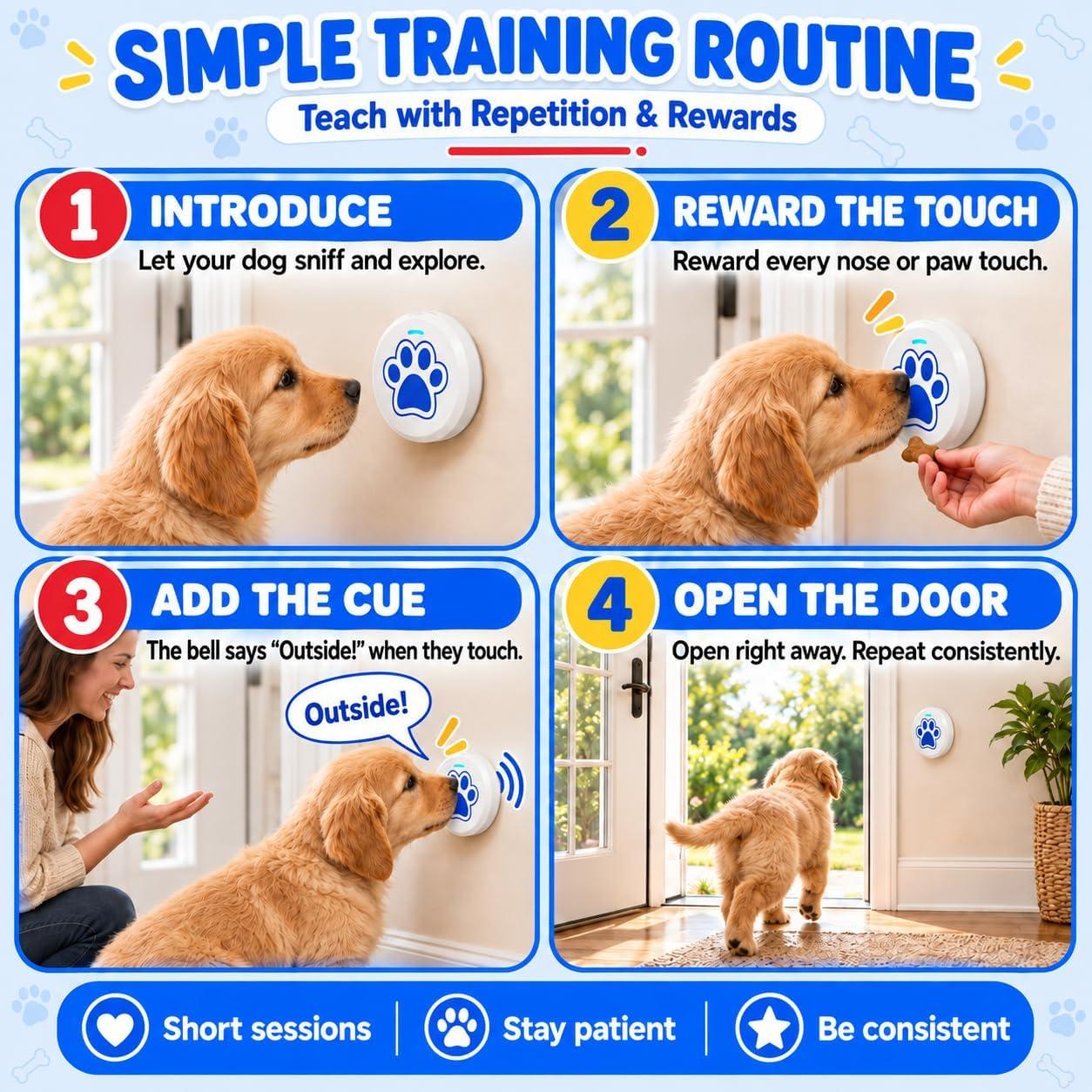
Begin with the door closed.Ask your dog to sit or stand calmly before the door. Use treats and gentle praise to reward your dog when they hold their position. if your dog moves toward the door prematurely,calmly close the door and reset without reward. gradually increase the duration your dog must wait before receiving the treat.
Over a series of short training sessions, practice the command with the door slightly open, then fully open but preventing your dog from moving through. Consistency and patience are key. Eventually, your dog will learn to remain in place until given the release command like “okay” or “come.”
Common Challenges and How to Overcome Them
Many dog owners face challenges such as excitement, distraction, or anxiety when training their dog to wait at the door. It’s normal for your dog to try to rush through at first or become impatient. Redirecting their attention with treats or toys can help keep focus on the task.
use a leash if needed to gently control your dog’s movements in the beginning.This adds an extra layer of guidance and prevents sudden dashes. avoid punishment or negative reinforcement as it can create fear or avoidance around doorways.
Remember to be patient and celebrate small victories.Every dog learns at a different pace,so maintaining a calm and encouraging training atmosphere will foster success.
Our Top Product Recommendations
Tips to Reinforce the “Wait” Command Outside the Home
After your dog has learned to wait reliably inside by the door, it’s important to generalize this behavior to other doors and situations. Practice the command at the front door, back door, and even gates.This repetition helps your dog understand that “wait” means pause nonetheless of location.
Take training outside with controlled scenarios such as entrances to dog parks, stores, or vet offices.Use treats and consistent verbal cues to reinforce the behavior. Gradually increase distractions to ensure your dog maintains self-control even in stimulating environments.
Remain consistent with your commands and rewards. If your dog breaks the wait, calmly reset and try again rather than losing patience. Over time, this approach builds a dependable, respectful habit your dog will maintain for life.
Frequently Asked Questions
How long does it typically take to train a dog to wait at the door?
the time needed varies based on your dog’s age, temperament, and previous training experience.Most dogs can learn the basic wait behavior within a few days to a couple of weeks if training is consistent and sessions are short and focused.
Can all dog breeds learn this command?
Yes,all breeds are capable of learning to wait at the door. while some breeds might potentially be more energetic or stubborn, patience and consistent training techniques work for every dog, regardless of breed or size.
What if my dog gets anxious or barks when waiting at the door?
This is common but can be managed by gradual desensitization and counterconditioning. try to remain calm and avoid reinforcing anxious behavior with attention. Using positive reinforcement for calm behavior and tools such as calming aids or training bells may help reduce anxiety.
Conclusion
Teaching your dog to wait at the door is an invaluable skill that enhances safety, control, and trust between you and your pet. with consistent training,positive reinforcement,and patience,you can transform an impulsive door dash into a calm,respectful pause.
By incorporating these techniques into your daily routine, you’ll prevent accidents, reduce stress, and create a more harmonious home environment. remember, every step forward is progress-your dog will thank you for the patience and understanding!