introduction
If you’re a dog owner, you’ve probably encountered hot spots on your furry friend at some point. These red, irritated patches of skin can cause discomfort and itching for your dog, making them restless and unhappy. Hot spots,also known as acute moist dermatitis,can develop quickly and escalate if not treated promptly.
The good news is that you can treat dog hot spots at home naturally and effectively with a few simple steps. In this post, we’ll guide you through how to identify hot spots, clear up the infection, and provide relief to your dog using safe, natural methods. Let’s explore how to keep your pup cozy and healthy without harsh chemicals or expensive vet visits.
Identifying and Cleaning Dog Hot Spots at Home
Before you treat a hot spot, it’s vital to accurately identify it. Hot spots often appear as red, moist, or oozing areas of skin that your dog frequently licks, scratches, or bites. They can range in size and typically develop quickly,sometimes overnight.Dogs with thick coats or those living in humid environments are more prone to these irritating spots.
Once you’ve found a hot spot, cleaning the area is your first line of defense.Use lukewarm water and a mild, dog-safe antiseptic shampoo or solution to gently cleanse the wound. This helps remove dirt, bacteria, and allergens that could be worsening the irritation. Avoid scrubbing too hard since hot spots are painful and sensitive. After cleansing, gently pat the area dry with a clean towel to prevent moisture buildup, which can cause further infection.
Regularly trimming the hair around the hot spot can improve airflow and speed up healing. Be cautious and gentle when trimming near the affected area to avoid causing more pain or stress to your dog. Keeping the affected skin dry and clean is essential in managing hot spots effectively at home.
Natural Remedies to Soothe and Heal Hot Spots
Treating hot spots naturally can be both safe and very effective. One popular remedy is applying cool chamomile tea bags or cooled green tea to the irritated area. These teas have natural anti-inflammatory and soothing properties that can reduce swelling and ease itching.
Another excellent natural treatment involves using coconut oil. Coconut oil has antifungal and antibacterial properties that help fight infection while moisturizing the skin.Apply a small amount directly to the hot spot several times a day, but make sure your dog doesn’t excessively lick it off. You can also try aloe vera gel, which cools the skin and promotes healing without irritation.
Additionally, apple cider vinegar diluted with an equal amount of water can be sprayed lightly on the hot spot for its antibacterial benefits. However,avoid using apple cider vinegar if the skin is raw or bleeding,as it can sting. Combining these remedies can definitely help your dog recover naturally and comfortably.
Our Top Product Recommendations
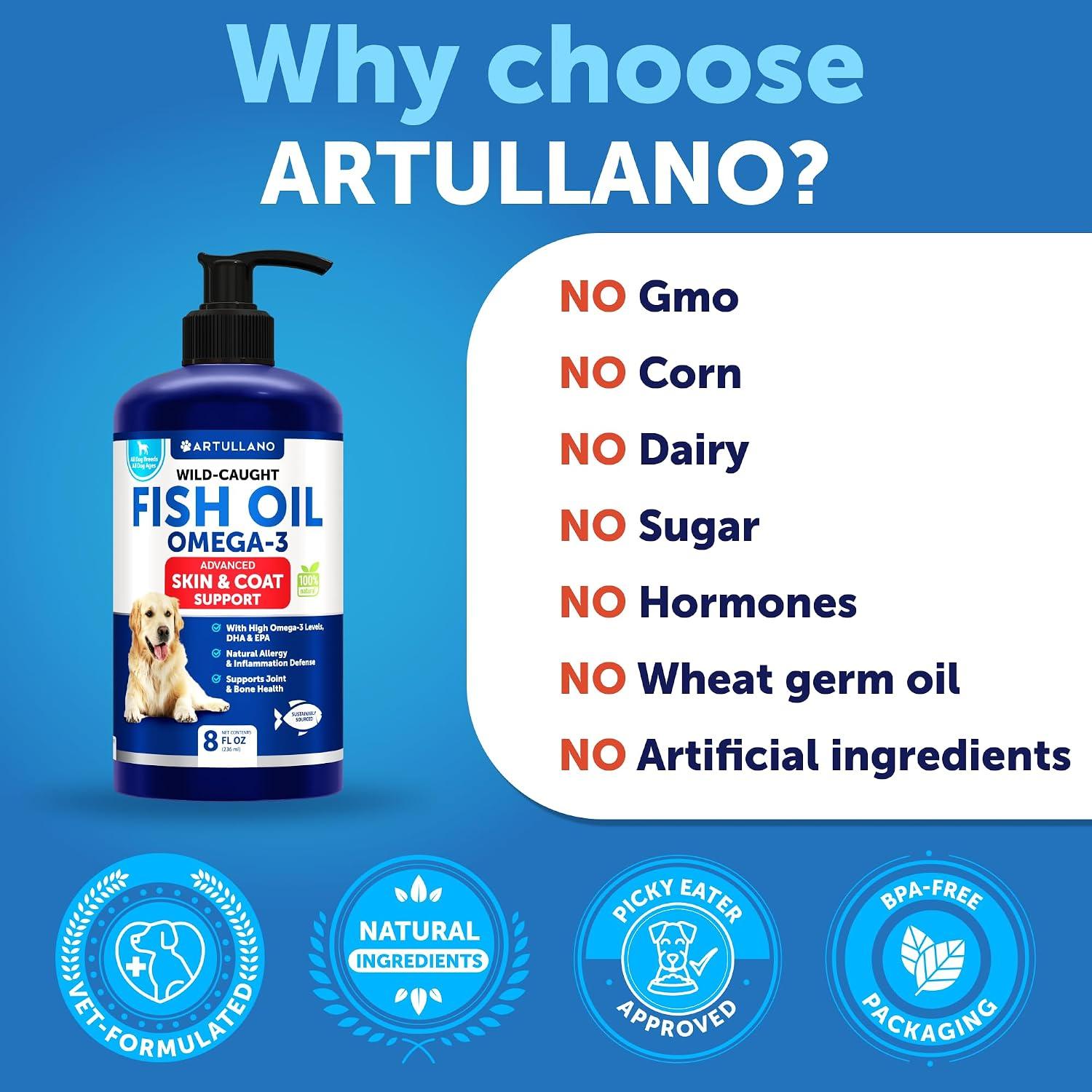
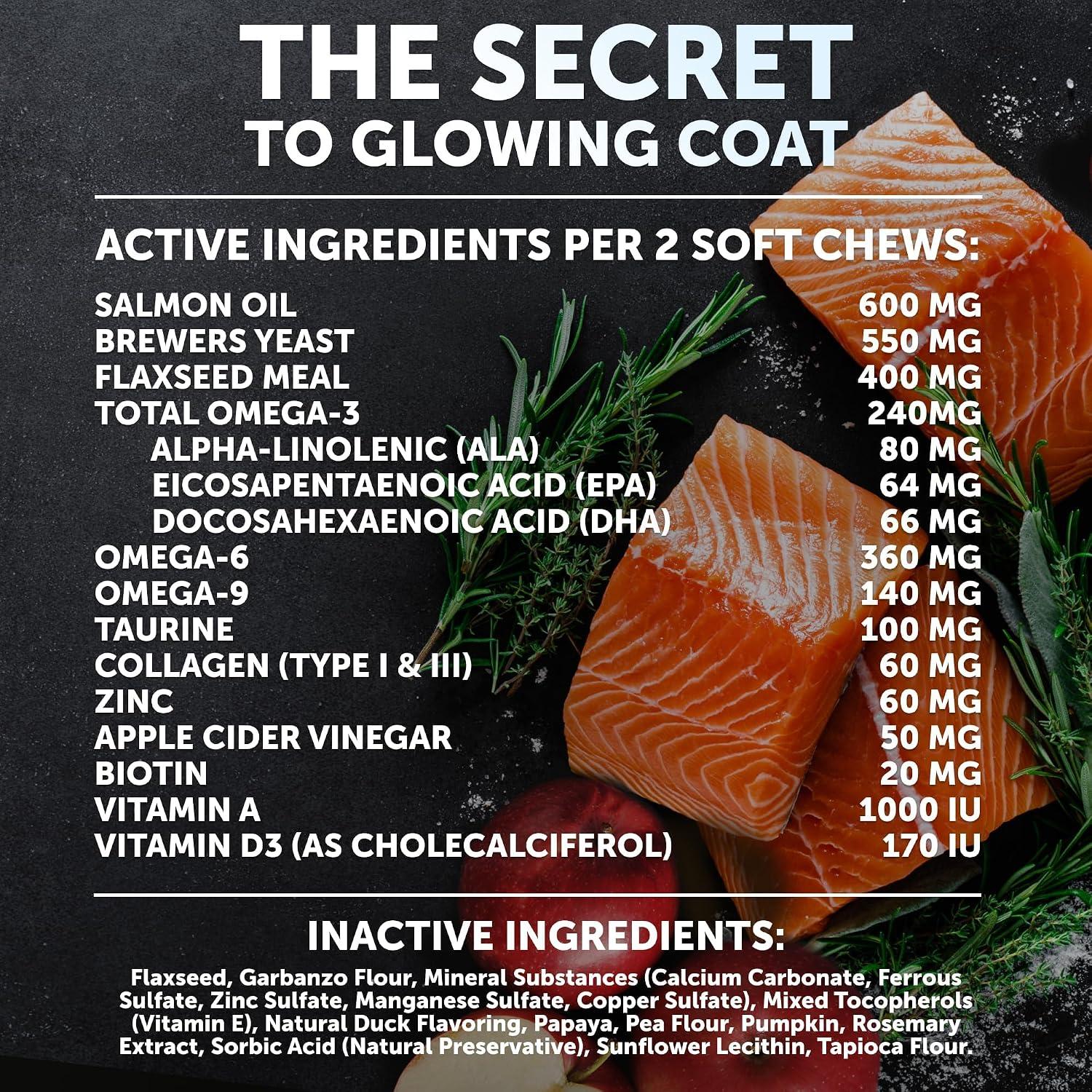
Preventing Hot Spots: Tips for Long-Term Skin Health
Preventing hot spots is just as important as treating them. Regular grooming and bathing with hypoallergenic dog shampoos help maintain a clean, healthy coat and reduce the risk of skin irritation. Be sure to dry your dog thoroughly after baths or swims because excess moisture can create the perfect habitat for hot spots to develop.
additionally, keep an eye out for any fleas, ticks, or parasites that might be causing your dog to scratch excessively. Using natural flea preventatives can reduce skin sensitivity and hot spot outbreaks.Feeding your dog a balanced diet rich in omega-3 fatty acids can also promote skin health from the inside out, strengthening the skin’s barrier and reducing inflammation.
managing your dog’s stress and anxiety can lessen behaviors like excessive licking or scratching, which frequently enough contribute to hot spots. Activities such as regular exercise, playtime, and mental stimulation can improve your dog’s overall well-being and minimize skin problems long-term.
Frequently Asked Questions
What causes hot spots on dogs?
Hot spots are usually caused by excessive licking,scratching,or biting due to allergies,insect bites,infections,or irritants like dirt and moisture trapped in the coat.they can also result from underlying skin conditions or stress-related behaviors.
Can I use human creams or ointments on my dog’s hot spots?
it’s best to avoid human medications unless specifically recommended by your vet, as some ingredients might potentially be harmful to dogs. Always use products formulated for pets or natural remedies after consulting your veterinarian.
When should I see a vet for my dog’s hot spots?
If the hot spot worsens, spreads rapidly, oozes pus, or does not improve within a few days of home treatment, consult your vet.Also seek veterinary care if your dog shows signs of pain, fever, or lethargy.
Conclusion
Dog hot spots can be distressing for both you and your pet, but with prompt and natural home treatment, they can heal quickly and comfortably. Identifying the hot spot early, cleaning it gently, and applying soothing remedies are key steps to ensure your dog feels relief fast.Preventative care like regular grooming, parasite control, and a healthy diet can further protect your dog from future outbreaks.
By staying attentive and using safe, natural solutions, you’ll help keep your dog’s skin healthy and free from irritation. Remember, if home treatment doesn’t resolve the issue or if your dog’s condition worsens, consulting a veterinarian is always the best course of action.