Introduction
Dog hot spots are a common skin issue that many dog owners face. These areas of inflamed, irritated skin can cause meaningful discomfort for your furry friend, often leading to excessive scratching, licking, and biting. Understanding how to treat dog hot spots at home safely and effectively is essential to alleviate your dog’s pain and promote healing quickly.
In this blog post, we’ll guide you through practical and easy-to-follow steps to care for your dog’s hot spots at home. From identifying hot spots early to applying appropriate treatments and preventing future outbreaks, our goal is to empower you with expert advice to support your dog’s skin health.
Identifying and Cleaning Dog Hot Spots
Before treatment, it’s crucial to correctly identify a hot spot. Hot spots, also known as acute moist dermatitis, typically appear as red, moist, and irritated patches of skin that can enlarge rapidly. They are often caused by allergies, insect bites, or underlying skin infections. You might notice your dog intensely scratching or biting the affected area, which worsens the condition.
Once you spot a hot spot, the first home care step involves gently cleaning the area.Use a mild antiseptic solution or warm water with a dog-safe soap to cleanse the wound.This helps remove dirt, debris, and bacteria, reducing the risk of infection. It’s important to trim the hair around the spot carefully to improve airflow and allow the skin to dry out properly.
Remember to wear gloves during this process if the hot spot is oozing,and ensure your dog remains calm to avoid further irritation. If the hot spot is excessively large or deep, it’s best to consult your veterinarian before proceeding with home treatment.
Effective Home Treatments for Dog Hot Spots
After cleaning, apply topical treatments designed to soothe and heal irritated skin. Over-the-counter sprays and creams containing antibacterial and anti-inflammatory ingredients can reduce redness and discomfort. Products with natural elements like aloe vera or calendula are gentle and help promote faster healing.
To prevent your dog from licking or scratching the hot spot,consider using an Elizabethan collar (cone). This protects the area while the skin repairs itself. keep your dog’s surroundings clean and dry, as moisture can exacerbate the problem.
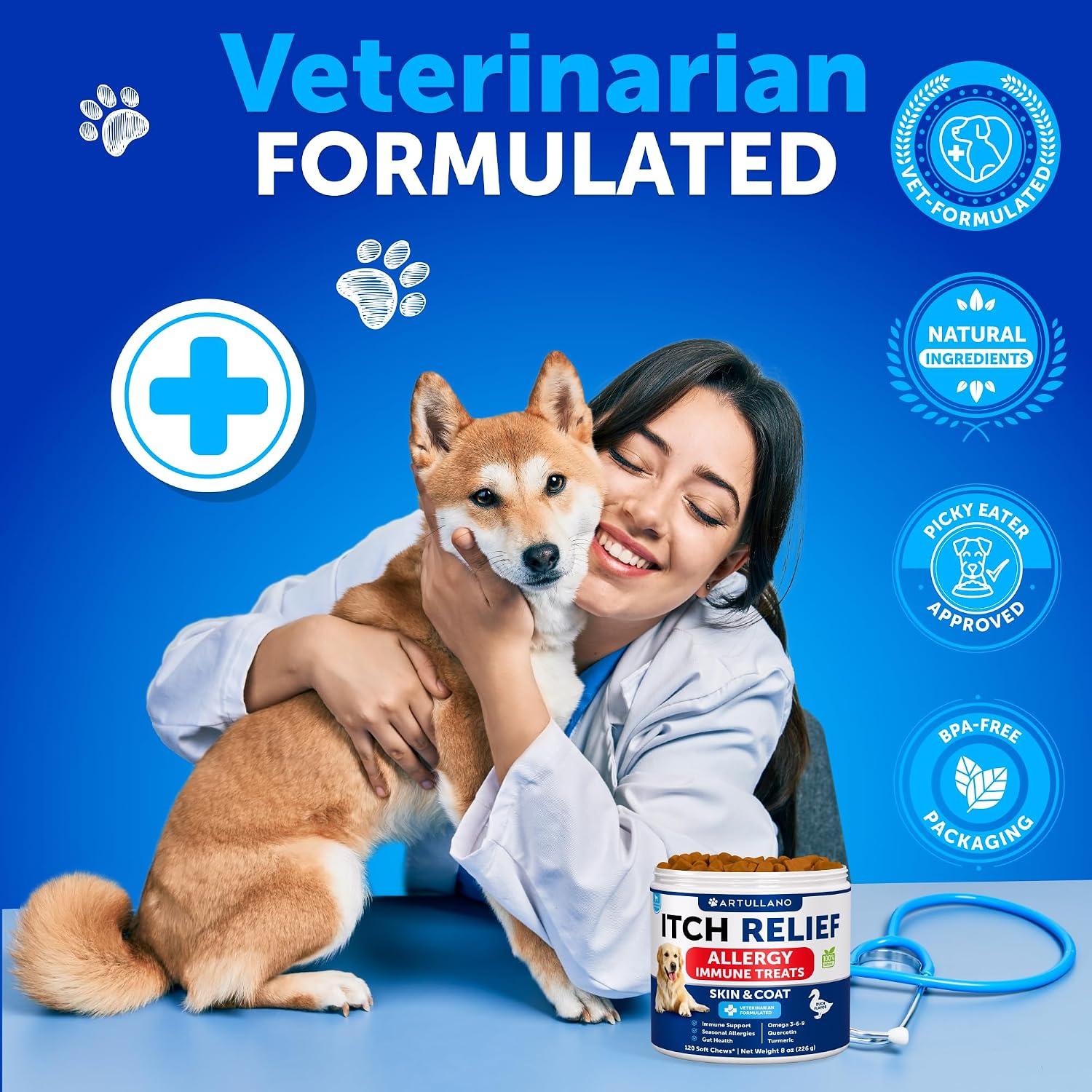
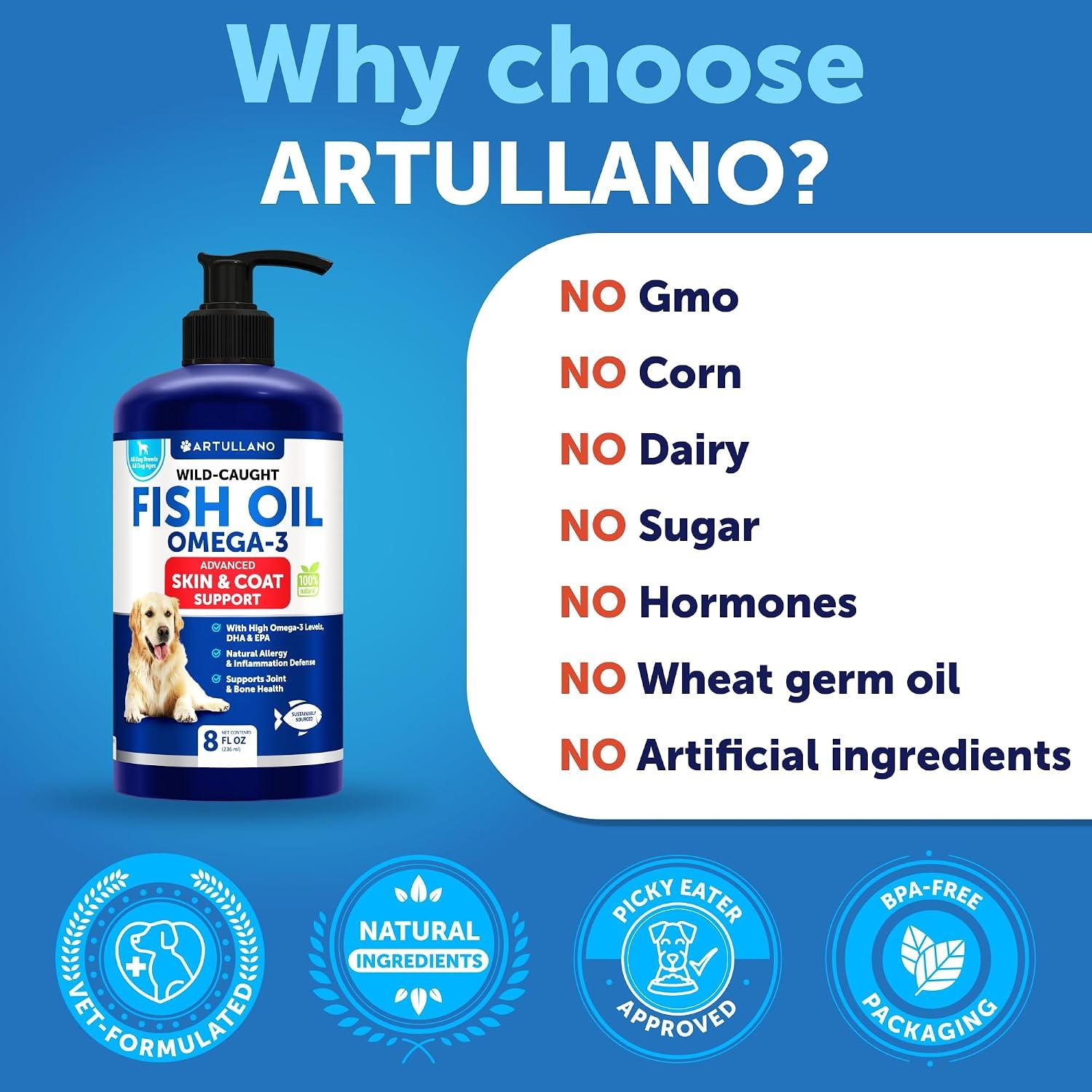
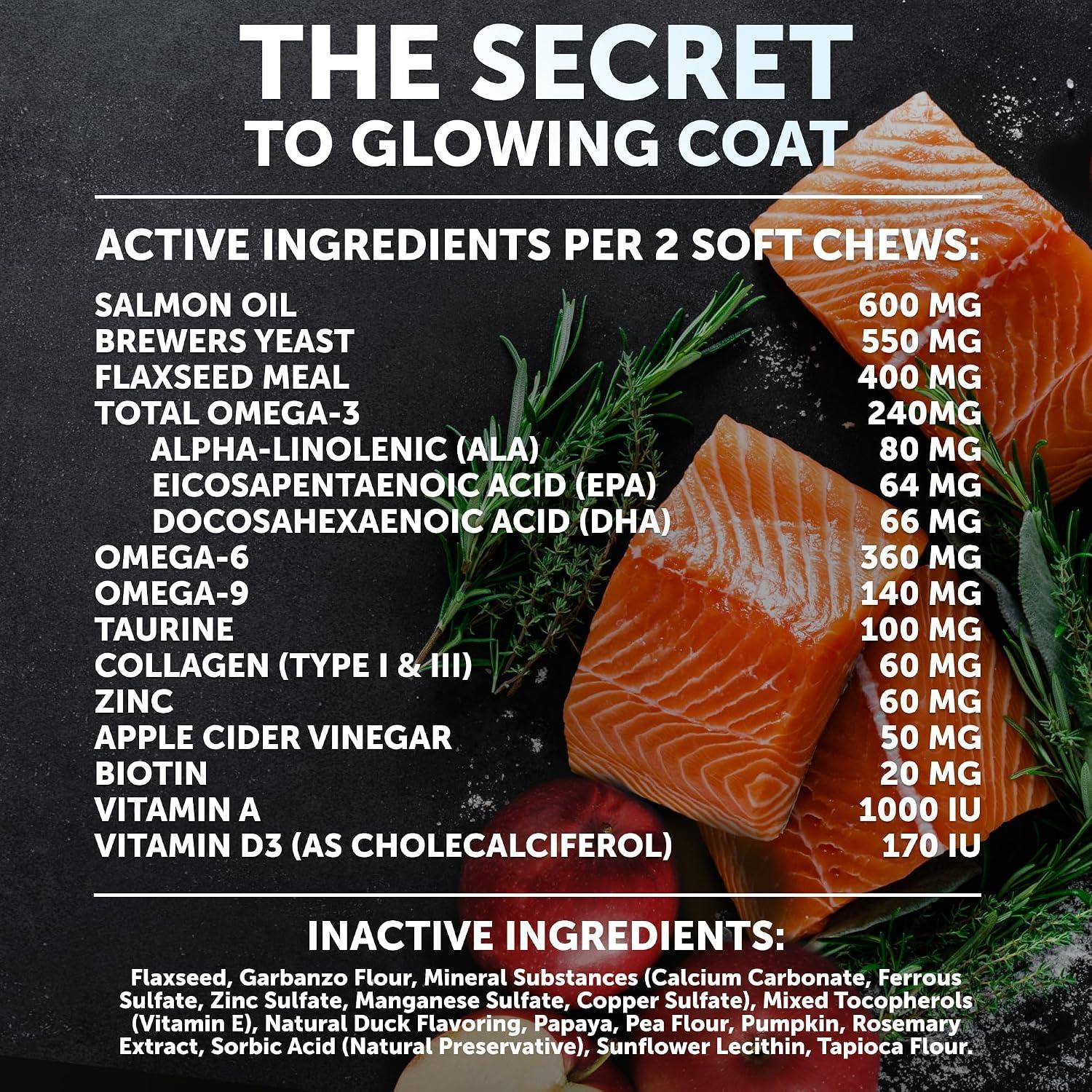
Additionally, ensure your dog stays hydrated and receives a balanced diet to support overall skin health. Supplements such as omega-3 fatty acids and skin-soothing chews may also help reduce inflammation and itchiness from the inside out.
Our Top Product Recommendations
Preventing Dog Hot Spots in the Future
Prevention is always better than cure when it comes to dog hot spots. Regular grooming is essential to keep your dog’s skin healthy and free of irritants. Brushing your dog helps prevent matting and allows you to spot early signs of skin issues before they worsen.
Keep your dog’s environment clean and dry, especially during humid or rainy weather when moisture can accumulate in the fur and skin folds.Bathing your dog with hypoallergenic shampoos can soothe sensitive skin and reduce the risk of developing hot spots.
Pay close attention to allergens that may cause skin reactions, such as certain foods, pollen, or flea bites.Using flea preventives and maintaining a healthy diet enriched with skin-supportive nutrients will go a long way in keeping skin problems at bay.
Frequently Asked Questions
What causes hot spots in dogs?
Hot spots are usually caused by an initial irritation such as flea bites, allergies, or insect stings. When dogs scratch or bite the irritated spot, they cause a worsening skin infection, resulting in the red, moist sores known as hot spots.
Can I use human creams or ointments on dog hot spots?
It is not recommended to use human creams on dogs as some ingredients may be toxic or irritating to pets. Always use products specifically formulated for dogs or prescribed by your vet to ensure safe treatment.
how long does it take for hot spots to heal?
With proper treatment,small hot spots often start improving within a few days and typically heal within one to two weeks.Larger or more severe hot spots may require veterinary care and a longer recovery time.
Conclusion
Treating dog hot spots at home is entirely possible with attentive care, proper cleaning, and the right topical treatments. Early identification and consistent management can alleviate your dog’s discomfort swiftly and prevent hot spots from worsening.Maintaining your dog’s skin health through grooming,nutrition,and allergy management will also reduce the risk of future episodes.
Always monitor your dog’s condition carefully, and do not hesitate to seek veterinary advice if the hot spot grows rapidly, becomes infected, or does not improve with home care. With the right approach, you can help your four-legged companion stay happy, healthy, and itch-free.