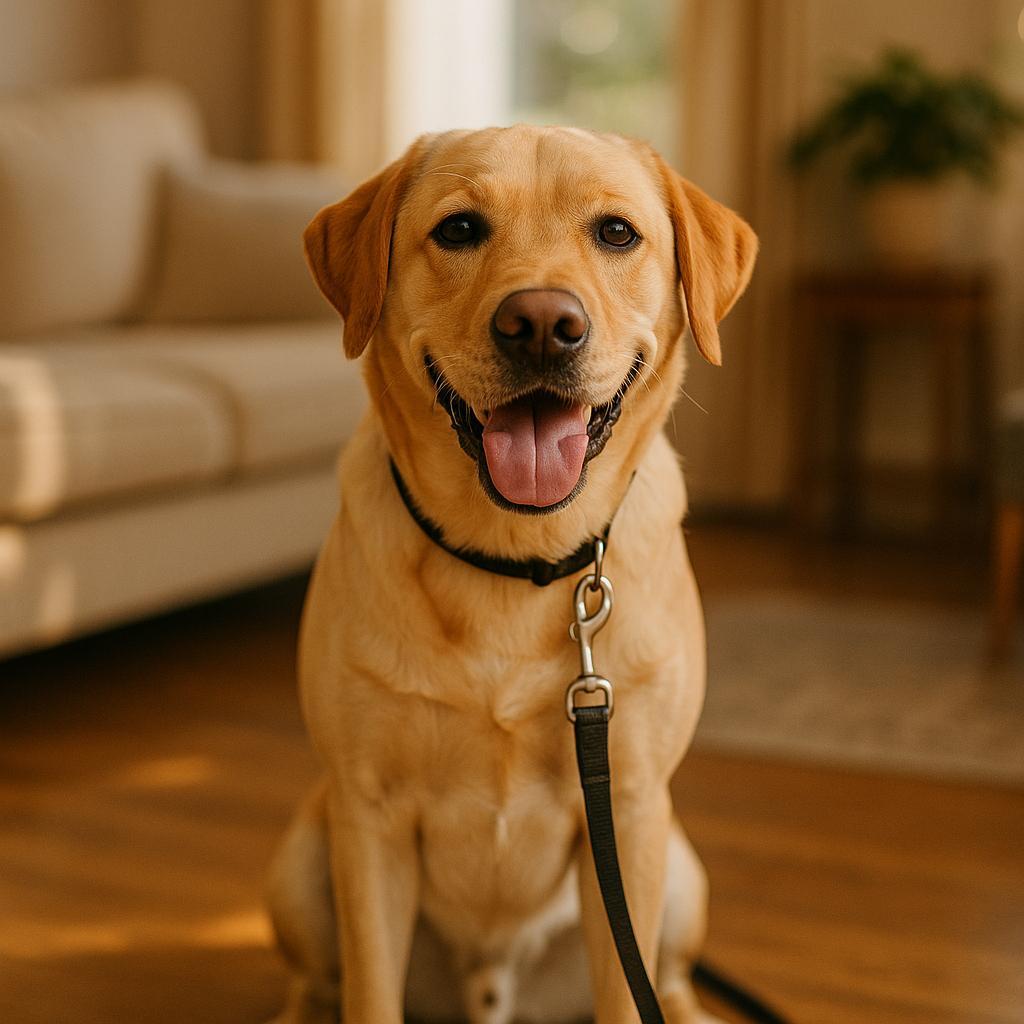
Introduction
walking your dog on a leash is one of the foundational skills every dog owner should master. Not only does leash training ensure safer walks, but it also enhances the bond between you and your furry friend by promoting good dialog and mutual respect. However, many dog owners struggle with their pets pulling, lunging, or simply refusing to walk calmly on a leash.
In this guide,you’ll learn practical,step-by-step techniques to train your dog to walk on leash like a pro. Whether you’re starting with a puppy or correcting an adult dog’s bad leash habits, these tips will help you take control of your walks and enjoy outdoor adventures with confidence, patience, and ease.
Understanding the Basics of Leash Training
Leash training is more than just attaching a leash to your dog’s collar and heading out the door. It involves teaching your dog how to stay focused, walk beside you, and respond to gentle corrections without pulling or resisting. The key to effective leash training is consistency, positive reinforcement, and patience.
Start by choosing the right equipment. A comfortable, properly fitting collar or harness and a sturdy leash are essential to prevent discomfort and provide you with better control. short leashes (4 to 6 feet) work well for training as they keep your dog close, preventing them from pulling ahead or wandering.
Next, establish clear rules from day one, and remain consistent. Use clear verbal cues that your dog can easily recognize, such as “heel,” “wait,” or “easy.” Never yank or use harsh corrections on the leash, as this can create anxiety or fear.Instead, rely on gentle guidance and rewards to reinforce positive leash behavior.
Step-by-Step Guide to Training Your Dog to Walk Calmly on a Leash
Begin your training sessions in a quiet, distraction-free habitat such as your backyard or indoors to help your dog focus. Start by letting your dog get used to wearing the collar or harness and leash inside. Reward your dog with treats and praise as they remain calm and comfortable with the equipment.
Once your dog is comfortable,practice walking short distances with the leash indoors. Keep the leash loose to encourage walking calmly by your side. If your dog starts to pull,stop walking immediately and wait until the leash slackens before moving again. This teaches your dog that pulling will not get them what they want.
Gradually increase the length of your walks and introduce more distractions outside. Continue rewarding your dog for walking by your side and ignoring distractions. Use treats, toys, or verbal praise to mark good behavior. If your dog consistently pulls, try changing direction abruptly to get their attention and teach them to follow your lead.
our top Product Recommendations

Common mistakes to Avoid During Leash Training
One of the biggest mistakes dog owners make is rushing the process or expecting instant results. every dog learns at their own pace depending on breed,age,temperament,and previous experiences. Be patient and celebrate small victories along the way.
Avoid using choke chains, prong collars, or harsh corrections as these can damage your relationship with your dog and lead to fear or aggression. Focus instead on gentle encouragement and positive reinforcement. Consistency in commands and routine will also help your dog understand what’s expected.
Another frequent error is ignoring distractions too early. If your dog gets overwhelmed by sights, sounds, or othre animals, return to a quieter area and work at that level until they are ready to handle more distractions. Gradual exposure is essential to building confidence and calm walking behavior.
Frequently Asked Questions
How long does it take to train a dog to walk calmly on a leash?
The duration varies depending on your dog’s personality, age, and prior training. Some dogs may start walking calmly within a few days to weeks, while others require several months of consistent practice. The key is to maintain consistency and patience throughout the training process.
What type of leash and collar are best for training?
A standard 4 to 6-foot leash paired with a comfortable flat collar or a no-pull harness is best for leash training. Avoid retractable leashes during training as they encourage pulling and make it harder to control your dog.Harnesses that prevent pulling can also be helpful but avoid training tools that cause pain or discomfort.
How do I stop my dog from pulling on the leash during walks?
When your dog pulls, stop walking immediately and stand still until the leash relaxes. Only resume walking when the leash is slack. You can also change direction suddenly to get their attention and encourage following your lead. Reward your dog with treats and praise for walking calmly by your side.
Conclusion
training your dog to walk calmly on a leash is an essential skill that improves safety, control, and enjoyment during walks.with consistency, patience, and positive reinforcement, you can teach your furry companion to behave like a well-mannered pro on every outing.
Remember that every dog is unique, so be flexible in your approach and celebrate progress no matter how small. Following these proven training steps will not only make walks more fun but deepen the trusted bond between you and your dog for years to come.