Introduction
Trimming your dog’s nails at home might sound daunting at first, but with the right knowledge and tools, it can become a stress-free and rewarding part of your pet care routine. Keeping your dog’s nails properly trimmed not only enhances their comfort and mobility but also prevents painful injuries caused by overgrown nails.
In this thorough guide, we will walk you thru every step of trimming your dog’s nails safely at home. Whether you have a new puppy or an older dog, this step-by-step approach will help you maintain your furry friend’s nails while minimizing anxiety and the risk of injury.
Preparing to Trim Dog Nails at Home Safely
Before you start trimming,preparation is key to a smooth and safe nail care session. Begin by gathering all the necessary supplies such as a sharp nail clipper designed for dogs, styptic powder or pencil to stop bleeding just in case you accidentally cut too deep, and some treats to encourage positive reinforcement.
Choose a quiet and pleasant area for your dog where there are minimal distractions.If your dog is nervous or anxious about grooming, make sure to speak softly and calmly to reassure them. It’s also helpful to have someone assist you by gently holding your dog steady,especially if your pup is particularly wiggly.
Understanding your dog’s nail anatomy is critical. Dogs have a quick – the sensitive pink area inside the nail that contains nerves and blood vessels. In dogs with lighter nails, the quick is usually visible, but in dogs with dark nails, it can be harder to see. Always trim with caution to avoid cutting into the quick and causing pain or bleeding.
Step-by-Step Guide to Trimming Your Dog’s Nails
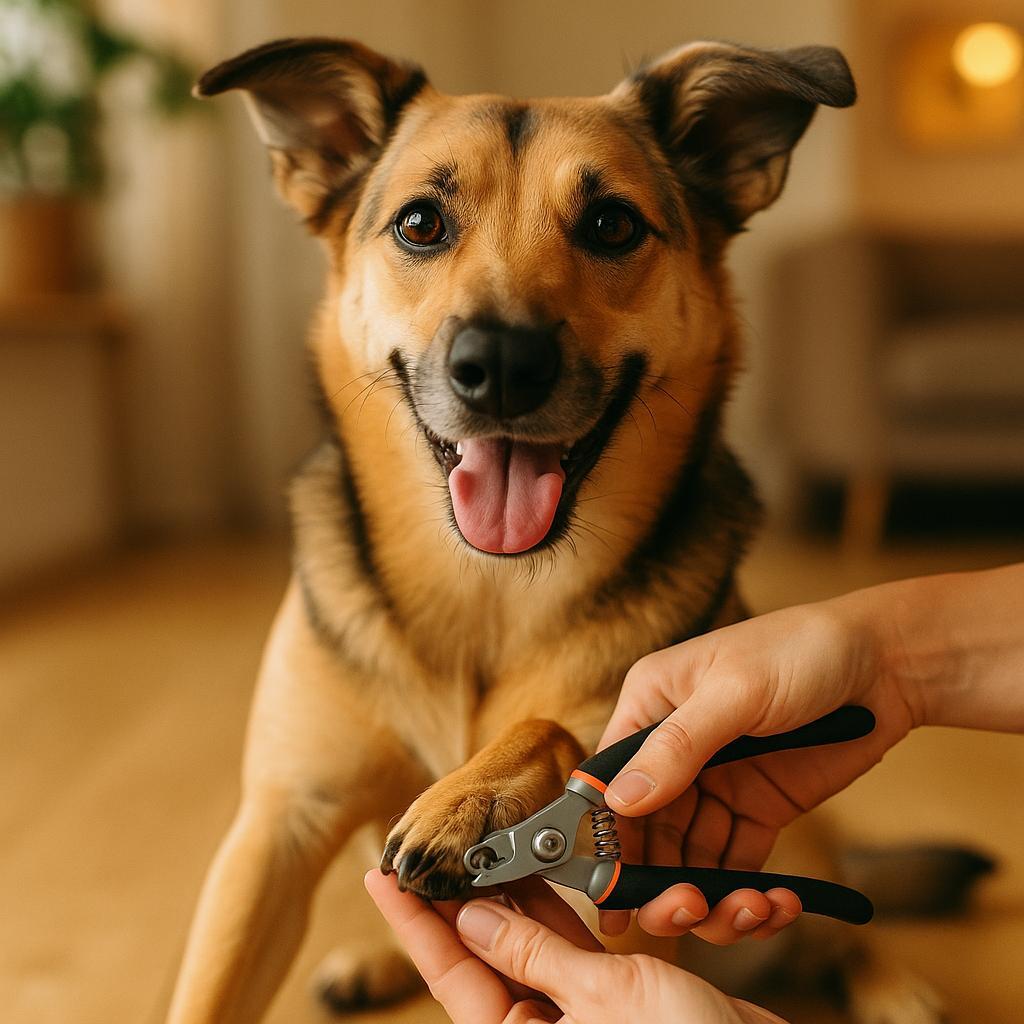
Start by holding your dog’s paw firmly but gently, offering plenty of praise to keep them relaxed. Take one nail at a time and trim only a small amount from the edge. Cutting little by little helps you stay far from the quick and reduce any risk of hurting your dog.
If your dog has clear nails, look for the pink quick and cut just below it. For dark nails,trim small snips gradually and watch the cross-section of the nail for a dark spot indicating the start of the quick. Use sharp, clean clippers for a smooth cut, and avoid crushing the nail which might cause discomfort.
Keep styptic powder or a pencil nearby in case of minor bleeding.should you accidentally cut the quick, apply the styptic powder immediately to stop the bleeding. After trimming, reward your dog with treats and affection to make nail grooming a positive experience they will look forward to next time.
Our Top Product Recommendations

Option Tools and Techniques for Nail Trimming
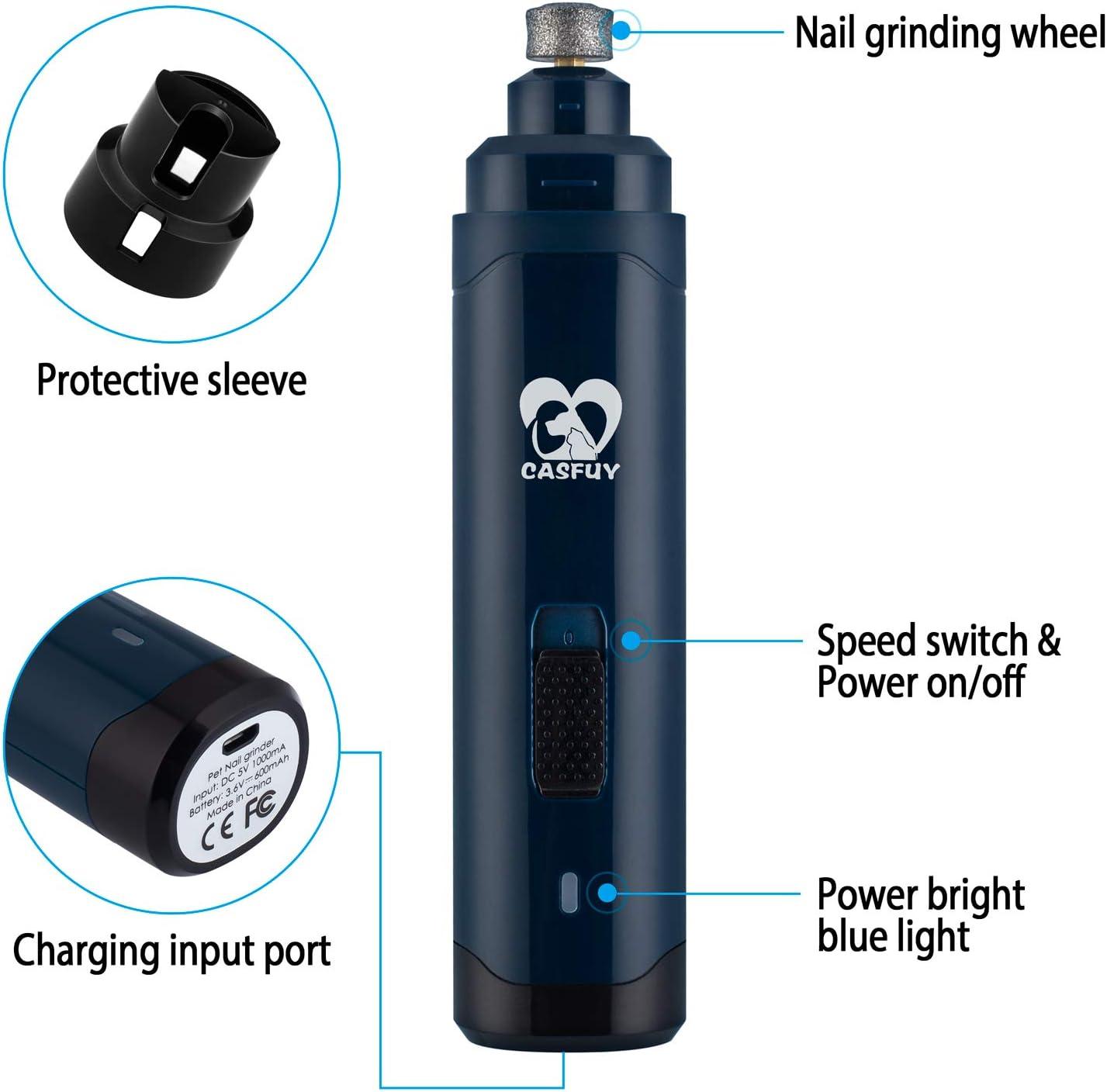
While customary clippers are widely used, some dog owners find nail grinders to be an excellent alternative for smoothing and gently shortening nails.Nail grinders work by filing down the nail gradually and can be less intimidating for some dogs because they don’t cause the sharp clipping sound or sensation.
Nail grinders also reduce the risk of cutting too deeply into the quick, as you have more control over how much nail you remove at a time. However, these tools require patience and gradual introduction to your dog to ensure they are comfortable with the noise and vibration.
Irrespective of the tool you choose-clippers or grinders-consistency and gentleness during the trimming process are key. Regular nail maintenance prevents nails from becoming overgrown, which can lead to discomfort, posture problems, and even difficulty walking for your dog.
frequently Asked Questions
How frequently enough should I trim my dog’s nails?
Most dogs need their nails trimmed every 3 to 4 weeks, but this can vary depending on their activity level and how much natural wear their nails get from walking on hard surfaces. It’s best to check your dog’s nails weekly and trim them when you hear clicking sounds on the floor or see the nails starting to curl.
What can I do if my dog is scared of nail trimming?
Start by creating a calm environment and introducing the tools slowly. Allow your dog to sniff the clippers or grinder and reward them with treats and praise. You can also trim just one nail per session at first, gradually increasing as your dog gets comfortable. Patience and positive reinforcement are essential.
Is it okay to trim my puppy’s nails on my own?
Yes, starting nail care early in puppyhood helps them get used to the process and makes future trimming less stressful. Use gentle, small trims and lots of encouragement. If you’re unsure, ask your veterinarian or a professional groomer to demonstrate proper technique the first time.
Conclusion
Trimming your dog’s nails at home is a valuable skill that promotes your dog’s health and comfort while strengthening your bond. With the right tools, patience, and following safe practices, you can confidently keep your dog’s nails in excellent shape without the need for frequent professional visits.
Remember to take your time, observe your dog’s reactions, and make the experience as positive as possible with praise and rewards. Over time, your furry friend will become more relaxed during nail trims, making grooming an enjoyable part of your routine together.