introduction
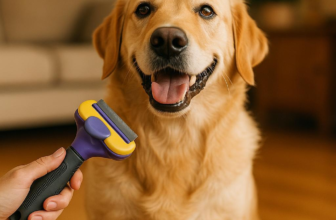
Keeping your dog well-groomed is essential for their health and happiness, and trimming the hair around their eyes plays an crucial role in this routine. Overgrown hair near the eyes can cause irritation, obstruct vision, and lead to infections if not maintained properly. As a caring dog owner, learning how to trim dog hair around the eyes safely and effectively can make grooming less stressful for both you and your furry friend.
In this guide, we’ll walk you through the step-by-step process of trimming your dog‘s hair around their eyes, including the tools you’ll need, safety tips, and techniques to ensure you get the best results. Whether you’re a seasoned dog groomer or a first-time pet parent, this article will provide you with everything necessary to keep your dog’s eyes clear and comfortable.
Preparing to Trim: Essential Tools and Safety Measures
Before starting to trim your dog’s hair around the eyes, preparation is key. first, gather the right tools designed specifically for delicate grooming. You’ll need a pair of rounded-tip scissors or safety scissors to prevent accidental poking, a fine-toothed comb, and pet wipes to clean the area beforehand. Avoid using regular scissors or razors that might harm your dog’s sensitive skin or eyes.
Next, choose a quiet, well-lit spot where your dog feels calm and comfortable.You may want to have someone help you gently hold your pet if they tend to squirm during grooming sessions.Additionally,ensure your dog’s eyes are free from dirt or discharge by wiping gently with a damp cloth or pet-safe wipes.This preparation minimizes risks while creating a positive grooming experience.
Safety measures should always come first. be patient and work slowly,trimming only small amounts of hair at a time. Avoid pulling or tugging on the fur, and never trim too close to the cornea or eyelid. If your dog shows signs of discomfort or fear, take breaks and offer treats or praise to keep them relaxed.
Step-by-Step Guide to Trimming Dog Hair Around the Eyes
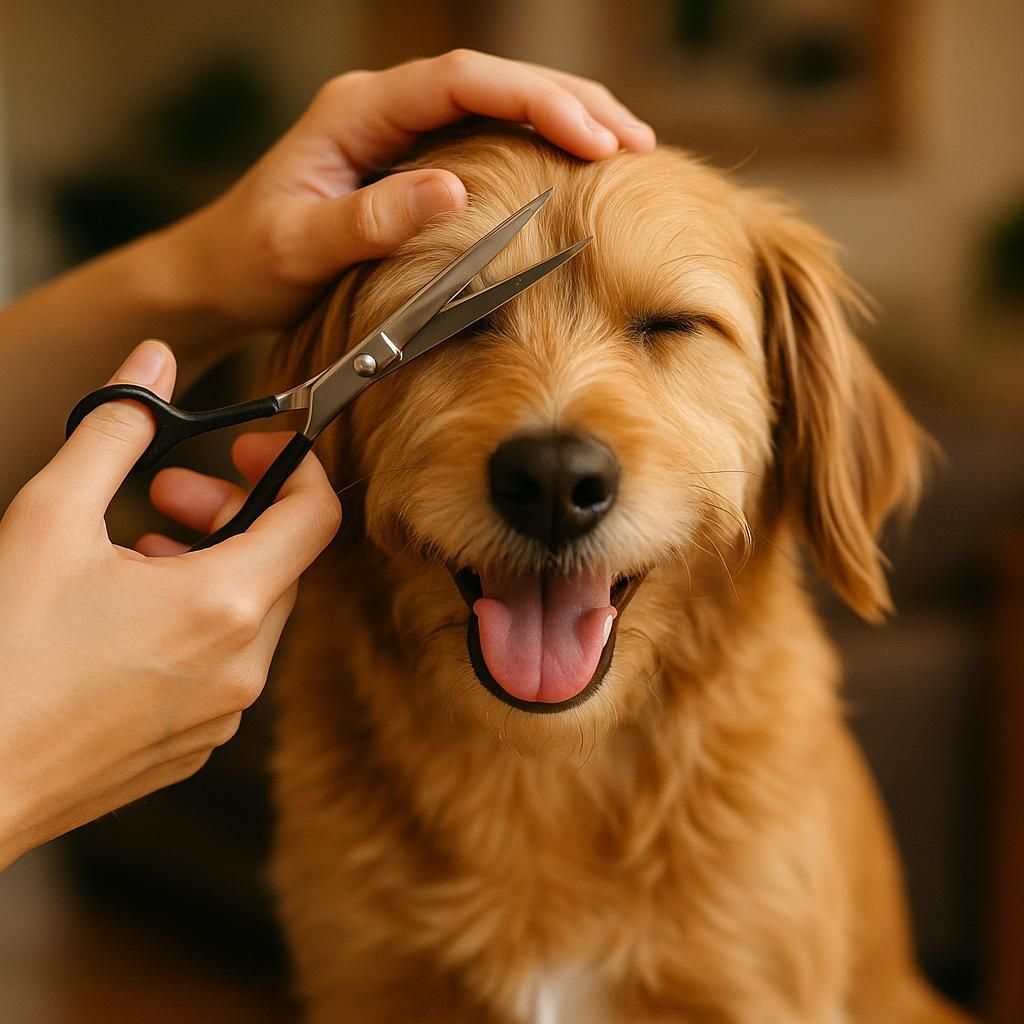
Start by gently combing the hair around your dog’s eyes to detangle any knots and identify areas that need trimming. Hold the scissors parallel to the face,and carefully snip small sections of hair that may obstruct your dog’s vision or cause irritation. It’s often easier to trim with your dog sitting or standing still on a sturdy surface like a grooming table or countertop covered with a non-slip mat.
Always cut away from the eyes to prevent accidental injury. If you feel uncertain about your precision, consider using small grooming clippers with guard attachments for a safe, even cut. Remember, it’s better to trim less hair in multiple sessions than risk cutting too much at once. Regular trimming every few weeks can also help maintain a neat appearance without causing discomfort.
After trimming, gently clean the area again to remove any loose hair. Check your dog’s eyes for any signs of redness or irritation, and praise your dog with affection or treats to positively reinforce the grooming experience.This step promotes trust and reduces grooming anxiety over time.
Our Top Product Recommendations
PetSafe Dog Grooming Scissors
These grooming scissors feature rounded tips for safety and sharp stainless steel blades for precision trimming around sensitive areas.
Andis Pet Trimmer
Ideal for trimming dog hair close to the skin, this ergonomically designed trimmer offers quiet operation and comes with several guard attachments.
Earthbath Pet wipes
These natural, gentle wipes are perfect for cleaning around your dog’s eyes before trimming, ensuring a clean and safe grooming area.
Tips for Maintaining Eye Health Through Regular Grooming
Trimming hair around your dog’s eyes is just one part of maintaining optimal eye health. Regularly inspect your dog’s eyes for any signs of irritation, discharge, or redness. If you notice persistent issues, consult your veterinarian promptly. Keeping the area free of excess hair reduces the risk of debris buildup and bacterial infections.
Consider incorporating a gentle eye cleaning routine a few times a week using damp cotton balls or pet-safe wipes to remove dirt and tear stains. Also, keep long-haired dogs’ facial hair trimmed to ensure their vision isn’t obstructed, which supports their safety and overall comfort in daily activities.
Regular grooming sessions will not only help maintain your dog’s eye health but also create a bonding experience between you and your furry companion. always reward your dog with praise or treats to make grooming a positive and enjoyable habit.
Frequently Asked Questions
How frequently enough should I trim the hair around my dog’s eyes?
It’s best to trim the hair around your dog’s eyes every 3 to 4 weeks, depending on how quickly their hair grows and the specific breed. Regular trims keep the area clean and prevent irritation.
What if my dog hates having their hair trimmed near the eyes?
Take it slow by gradually introducing grooming tools and offering plenty of treats and praise. You can also try trimming smaller areas over multiple sessions to reduce stress. If your dog is notably anxious, consider seeking help from a professional groomer.
Can I use regular scissors to trim my dog’s hair around their eyes?
Regular scissors are not recommended because they often have sharp, pointed tips that can easily injure your dog’s eyes. Always use rounded-tip or safety grooming scissors designed specifically for pets.
Conclusion
Learning how to trim dog hair around the eyes safely and effectively is essential for keeping your dog comfortable and healthy. with the right tools, patience, and careful technique, you can maintain your dog’s eye area easily at home. Regular grooming not only improves your dog’s appearance but also helps prevent eye irritation and infections.
Remember to always prioritize your dog’s comfort during grooming sessions and to use appropriate tools designed for pet safety. If you ever feel unsure or your dog is particularly sensitive, professional groomers are always available to assist. By staying consistent and gentle, you can make eye-area trims a stress-free part of your dog’s self-care routine.