Introduction
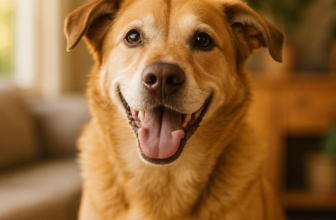
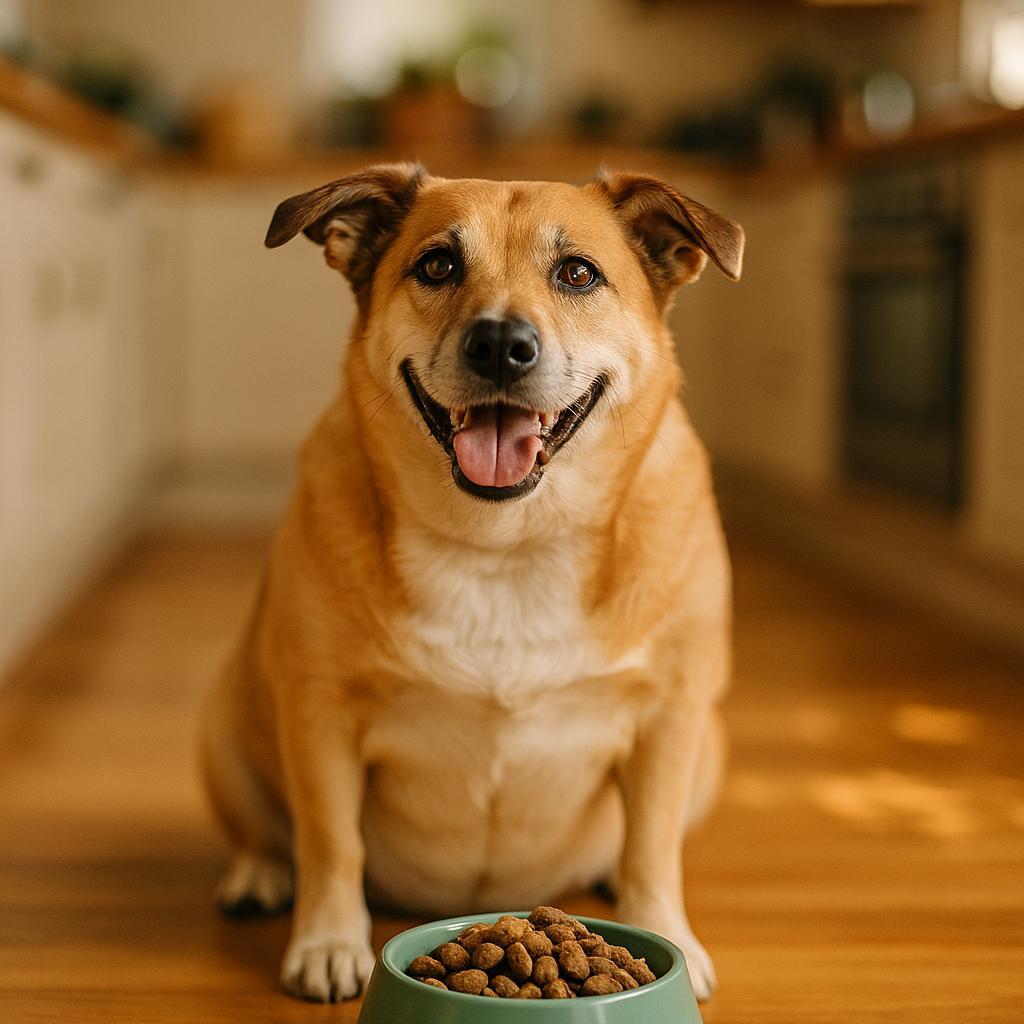
Helping your overweight dog lose weight is essential to improving their overall health and quality of life.Just like humans, dogs can suffer from obesity-related issues such as joint problems, diabetes, and heart disease. As a loving dog owner, you have the power to guide your furry friend toward a healthier weight through effective tips and well-planned diet strategies.
In this extensive guide, we will explore the best approaches to help your overweight dog shed those extra pounds safely and sustainably. from understanding the causes of weight gain to implementing customized diet plans and exercise routines, this post will equip you with everything you need to support your dog‘s weight loss journey.
Understanding the Causes of Overweight in Dogs
Before diving into weight loss strategies,it’s significant to understand why your dog might be overweight. Many factors contribute to canine obesity, including overfeeding, lack of physical activity, age, breed predispositions, and certain medical conditions. Overfeeding high-calorie treats or table scraps without proper portion control often leads to excessive weight gain.
Moreover, dogs that remain inactive for extended periods can easily gain weight as they burn fewer calories than they consume. Older dogs tend to slow down, reducing their energy expenditure, which increases the risk of becoming overweight.Recognizing these causes helps tailor weight loss plans effectively and ensures you address the root of the problem rather than just treating symptoms.
Effective Diet Plans to Help Your Overweight Dog lose Weight
The cornerstone of any successful weight loss plan for dogs is a balanced, calorie-controlled diet. It’s important to consult your veterinarian to determine the ideal weight and calorie intake tailored for your dog’s breed, size, age, and health condition. A gradual reduction in calorie intake is preferable to avoid nutritional deficiencies and ensure steady weight loss.
Choosing a high-quality dog food formulated for weight management can provide essential nutrients without excess calories. These foods typically contain higher fiber content to promote fullness and controlled fat levels to reduce calorie intake. Avoid feeding your dog human food or excessive treats, as they often contain hidden fats and sugars that contribute to weight gain.
To further support your dog’s diet, consider incorporating portion control techniques such as using measuring cups or a food scale. Feeding your dog multiple smaller meals throughout the day instead of a single large meal can also help regulate metabolism and prevent binge eating.
Our Top Product Recommendations
Exercise and Physical Activity for Weight Management
Besides diet control, regular physical activity is crucial for your overweight dog to burn calories and build muscle tone. Tailoring the exercise routine to your dog’s age,health,and fitness level makes the process enjoyable and safe. Start with low-impact activities such as leisurely walks or gentle play sessions, then gradually increase the intensity and duration as your dog’s stamina improves.
Games like fetch or swimming can add variety and mental stimulation to your dog’s routine, reducing boredom and encouraging consistent exercise. Remember to monitor your dog closely for signs of fatigue or discomfort, especially if they are older or have joint problems. Prioritize consistency over intensity – even short daily exercise sessions can lead to significant weight loss results over time.
Additionally, incorporating exercise can definitely help improve your dog’s mood, reduce anxiety, and foster a closer bond between you and your pet. Enlisting your family members to join the activity can make it a fun, social experience for everyone involved.
Frequently Asked Questions
How quickly should my overweight dog lose weight?
Safe weight loss for dogs typically ranges between 1% to 2% of their body weight per week.Rapid weight loss can cause health problems or nutritional deficiencies, so it’s best to aim for gradual, consistent progress under veterinary supervision.
Can I give my dog treats during a weight loss plan?
Yes, but treats should be low-calorie, healthy options, and given sparingly. Use treats as rewards for good behavior or during training, and factor them into your dog’s daily calorie intake to avoid overfeeding.
Should I use supplements to help my dog lose weight?
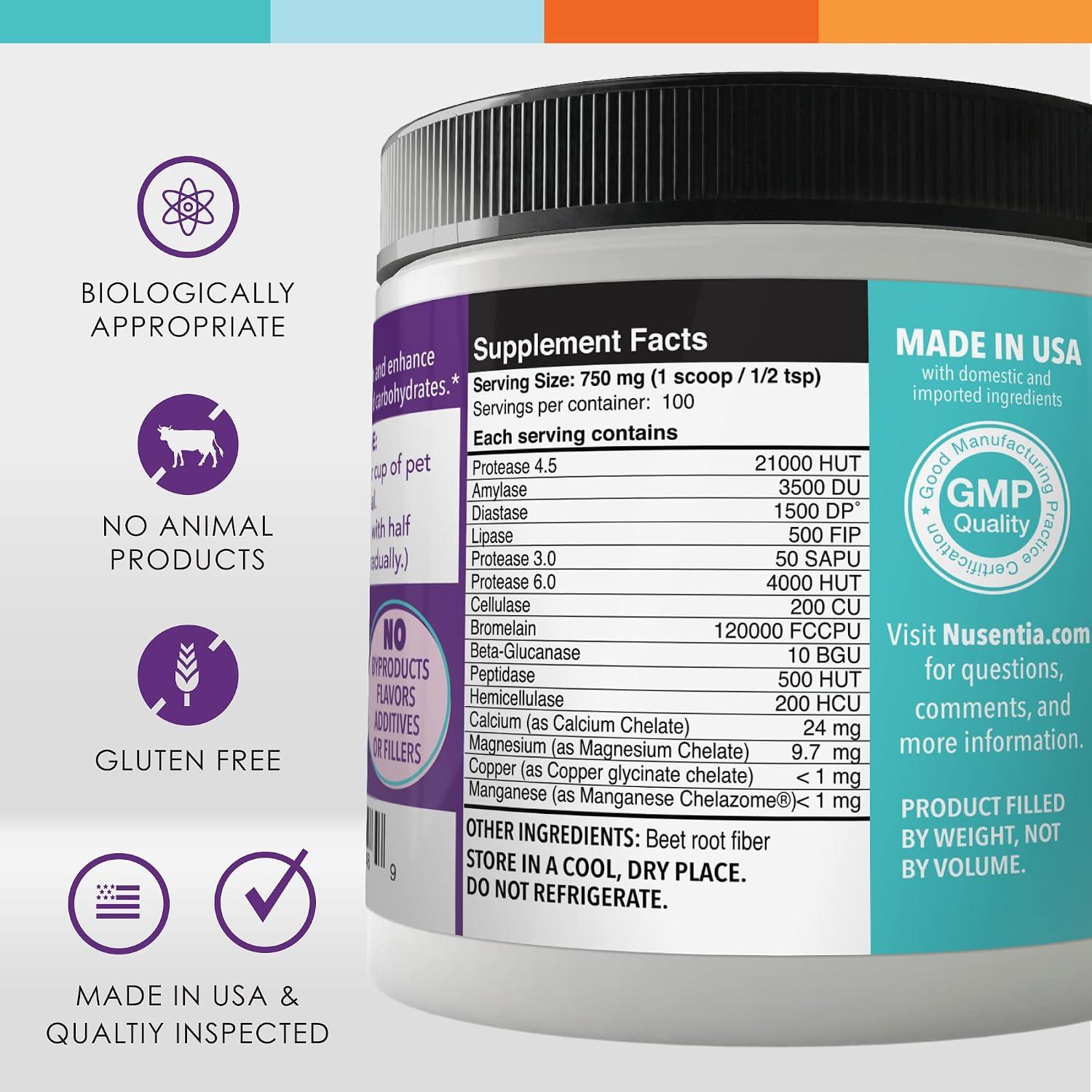
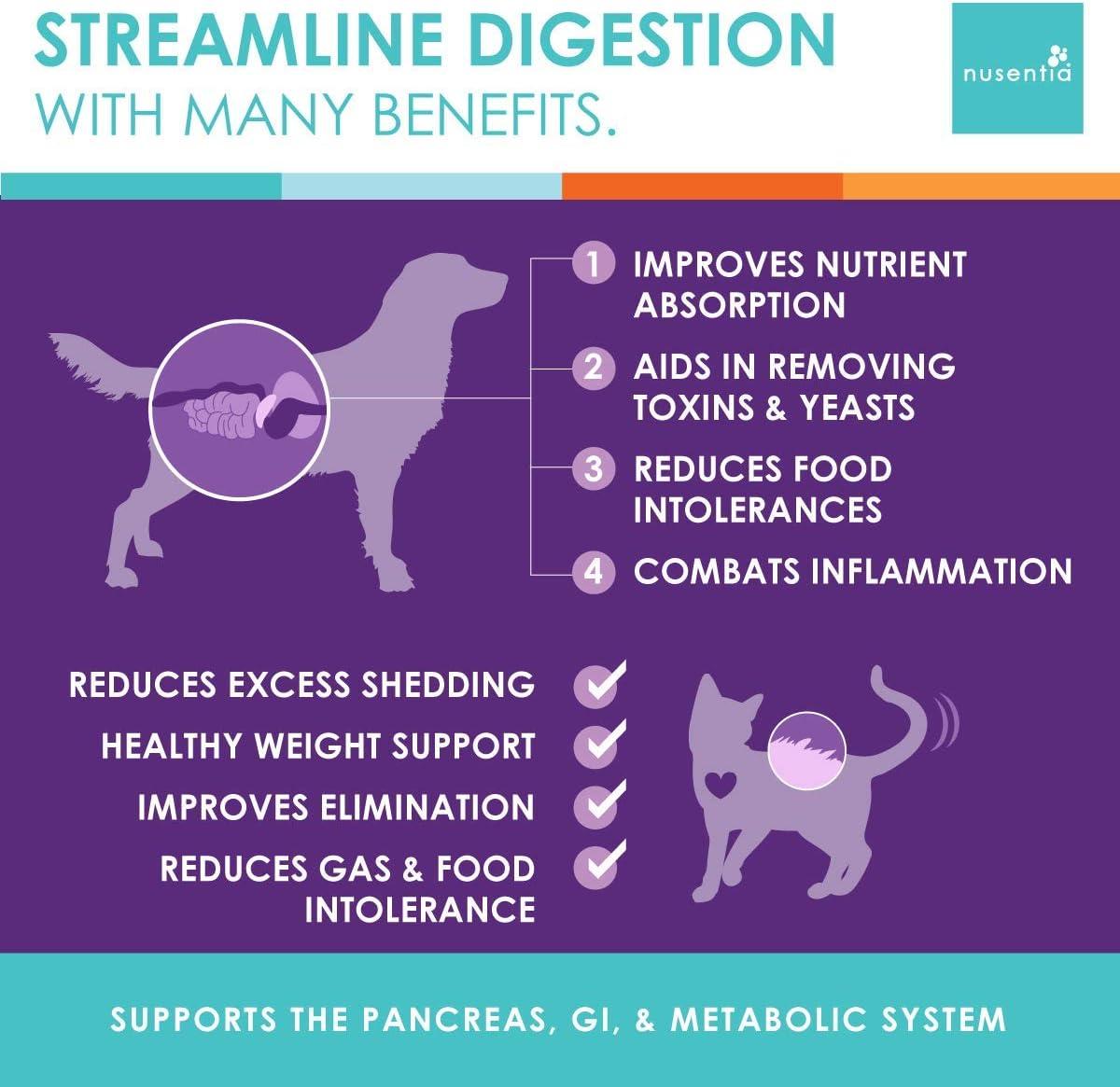
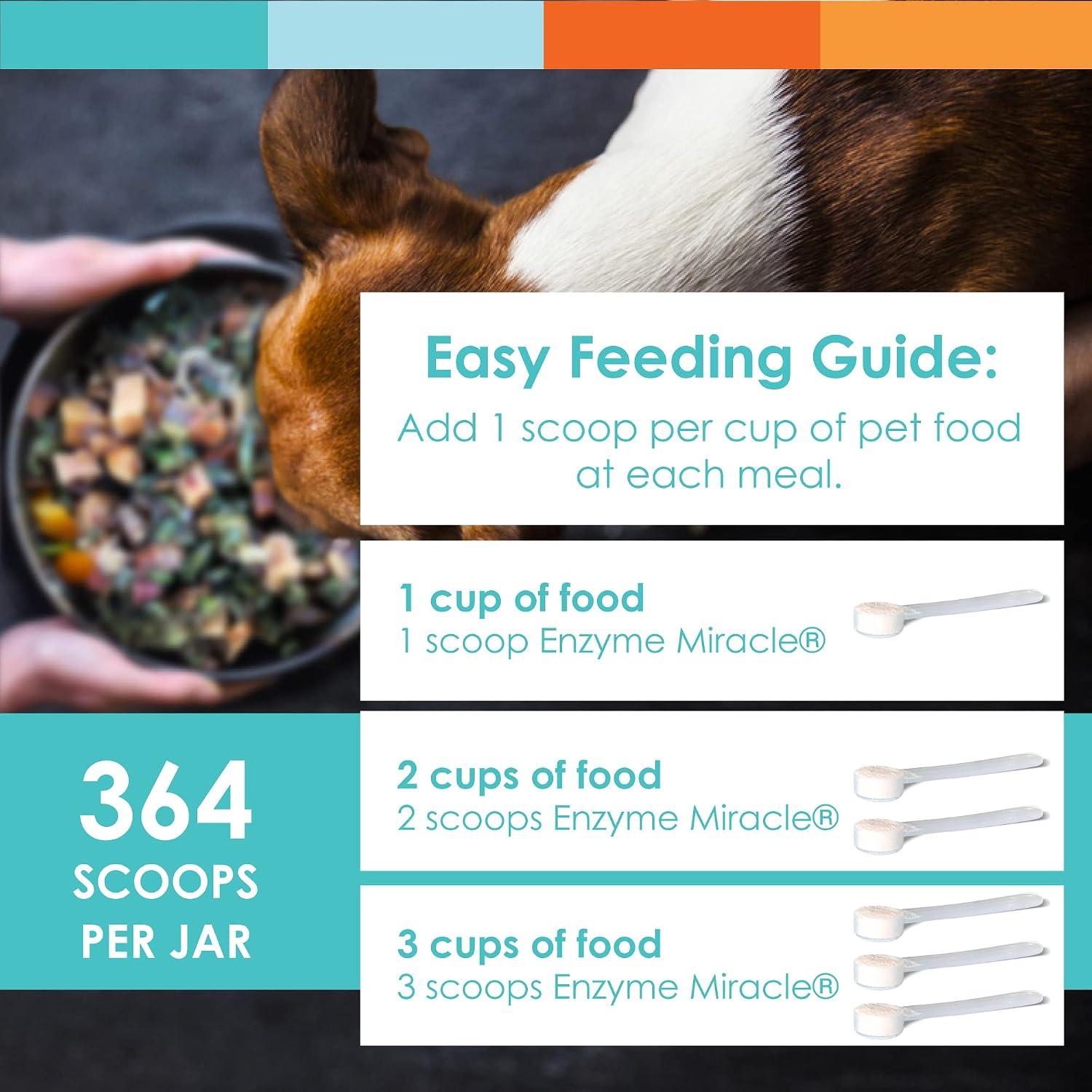
Some supplements, like digestive enzymes or probiotics, may support your dog’s metabolism and digestion, but they should not replace a balanced diet and exercise. Always consult your veterinarian before adding supplements to your dog’s regimen to ensure safety and effectiveness.
Conclusion
Helping your overweight dog lose weight requires a balanced combination of a controlled diet, regular physical activity, and plenty of love and patience. Understanding the causes of obesity and adopting a gradual, sustainable approach will ensure your dog achieves a healthy weight while maintaining overall wellbeing.
By following the effective tips and diet plans outlined in this guide, you can confidently guide your dog on their weight loss journey and enjoy many happy, healthy years together.