Introduction
As a loving dog owner, ensuring your furry friend’s safety and well-being is always a top priority. Unexpected accidents and emergencies can happen anytime, which makes it essential to be prepared with a well-stocked dog first aid kit. Having the right supplies on hand can make a significant difference during a critical moment, helping you provide immediate care and possibly saving your dog‘s life.
In this guide, we will walk you through the essential items every dog first aid kit should include, how to use them, and best practices for keeping your pet safe.Whether you are a new pet parent or have years of experience, understanding these essentials will give you peace of mind and confidence to act swiftly when your dog needs help.
Key Items Every Dog First Aid Kit Should Contain
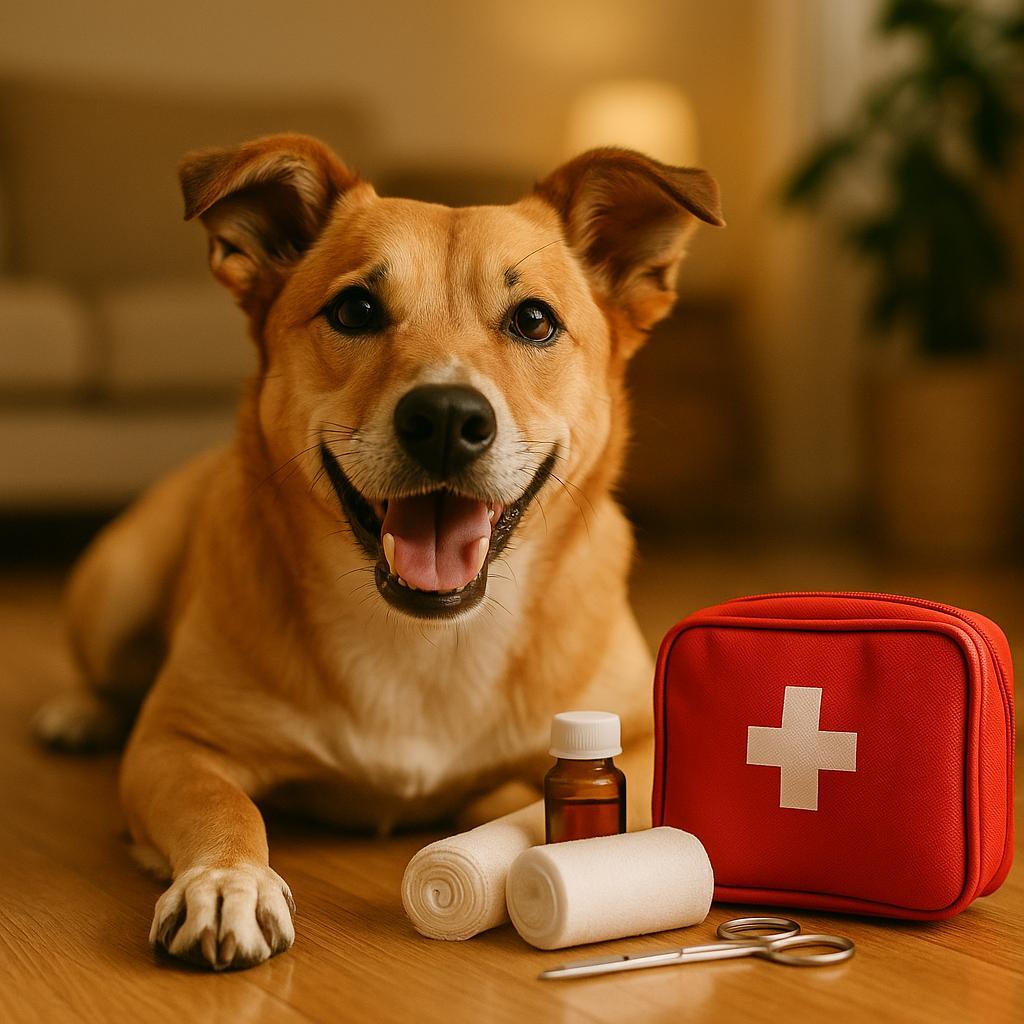
A extensive first aid kit tailored for dogs should include items that address a variety of common emergencies such as cuts, allergic reactions, choking, heatstroke, and insect bites. While some components overlap with human first aid kits, others are specifically designed for canine care. Here are some must-haves:
- Gauze Pads and Rolls: For dressing wounds and controlling bleeding.
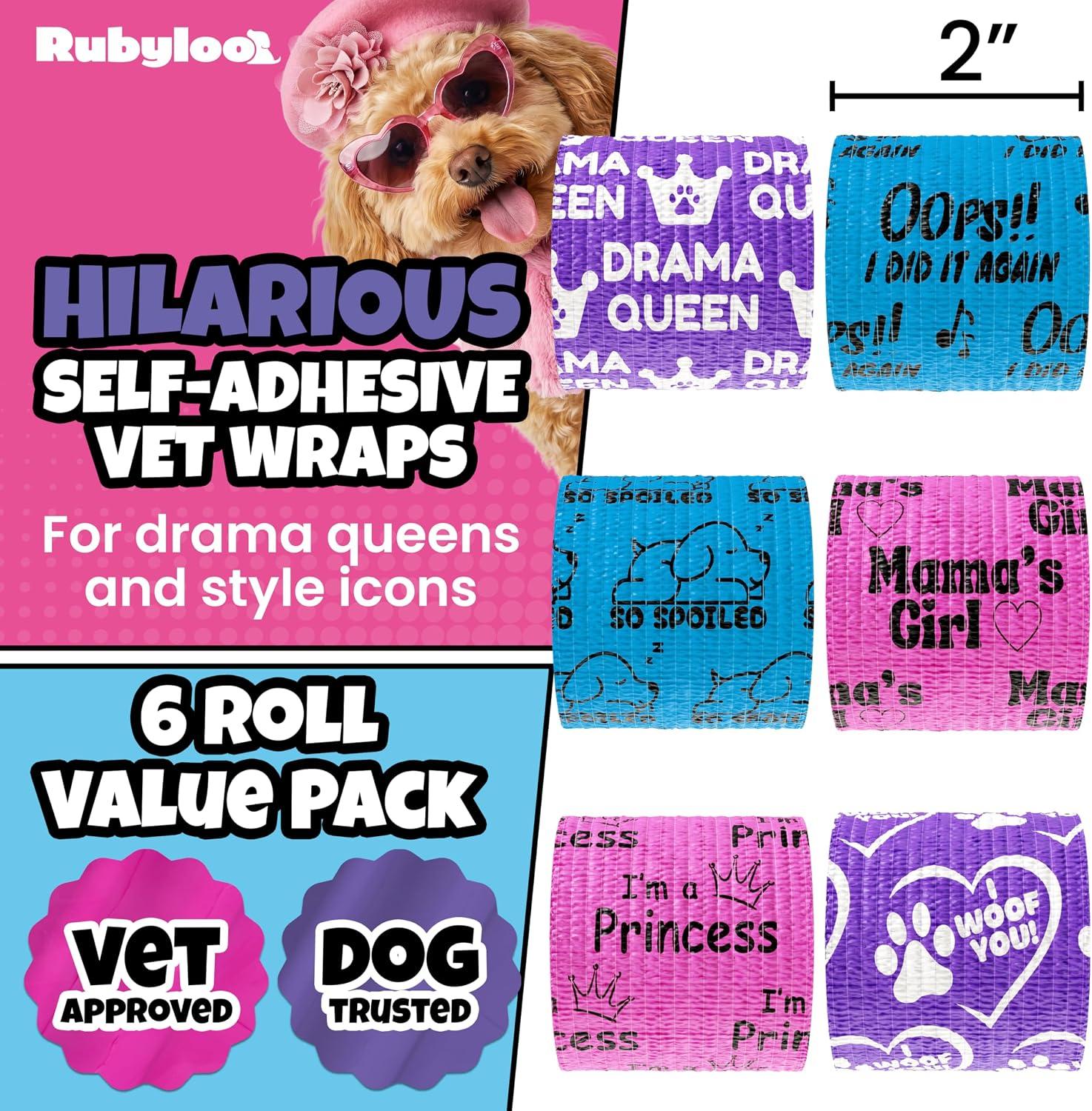
- Adhesive Tape: To secure bandages without irritating your dog’s skin.
- Non-stick Sterile Pads: Ideal for covering open wounds.
- Antiseptic Wipes: For cleaning wounds safely to prevent infection.
- Tweezers: To remove splinters or ticks.
- Scissors: Rounded-tip scissors work best for cutting bandages or hair around wounds.
- Disposable Gloves: To maintain hygiene and protect both you and your pet.
- Muzzle or Soft Restraints: even the gentlest dog may bite when injured or scared.
- Hydrogen Peroxide (3%): Can induce vomiting in cases of poisoning, but only under veterinary guidance.
- Digital Thermometer: To check your dog’s temperature, with lubricating jelly or petroleum jelly.
Including a pet emergency contact list with your veterinarian’s number and nearest animal emergency clinics is also crucial. This way, you can quickly reach out for professional help when required.
How to Maintain and Use Your Dog First Aid Kit
Having a first aid kit is only part of the equation; knowing how to use its contents properly is just as crucial. Regularly check the kit to ensure medications and supplies have not expired, and replenish items that have been used. Store the kit in a cool,dry place easily accessible during emergencies.
Familiarize yourself with basic first aid techniques for dogs or consider attending a pet first aid course to boost confidence. For minor injuries like small cuts or scratches, clean the wound using antiseptic wipe, apply a sterile non-stick pad, and secure it with adhesive tape. In more serious situations, such as heavy bleeding or suspected fractures, stabilize the dog and get immediate veterinary assistance.
Our Top Product Recommendations

Additional Tips for Pet Emergency Preparedness
Beyond assembling a first aid kit, it’s essential to have a plan for your dog’s safety during emergencies. Keep a folder with your dog’s medical records, vaccination history, and any allergies. This facts can be invaluable during vet visits or emergencies.
Understand your dog’s normal vital signs, such as heart rate and temperature, to recognize when something is off. if your dog is prone to allergies or specific medical conditions, consult your vet to include personalized medical supplies in your kit.
Lastly, practice calm and reassuring handling techniques in emergency situations.Your dog may be frightened or in pain, and your composed demeanor can help ease their stress and cooperation during first aid.
Frequently Asked Questions
What should I do if my dog is bleeding heavily?
If your dog is bleeding heavily, apply firm pressure to the wound with a clean cloth or sterile gauze to slow the bleeding. Elevate the injured area if possible and keep your dog calm and still. Seek veterinary care immediately, as heavy bleeding can be life-threatening.
Can I use human medications on my dog in an emergency?
Many human medications are toxic to dogs and should never be used unless explicitly directed by a veterinarian. Always consult your vet before administering any medication, even if it seems harmless, to avoid accidental poisoning or harmful side effects.
How often should I check and update my dog’s first aid kit?
It’s recommended to check your dog’s first aid kit at least every six months.Ensure all supplies are intact, not expired, and sterile. Replace any used or outdated items promptly to maintain readiness for any emergency.
Conclusion
A well-prepared dog first aid kit is a vital part of responsible pet ownership, enabling you to respond confidently and effectively in emergencies.By keeping essential supplies on hand and knowing how to use them, you enhance your dog’s safety and wellbeing no matter where life takes you.
Remember, while first aid is critical, it is not a substitute for professional veterinary care.Always seek expert help when your pet is seriously injured or ill to ensure the best outcome for your beloved companion.