Introduction
German Shepherds are a remarkable breed known for their intelligence, loyalty, and incredible versatility. Whether serving as protective family pets, working dogs, or active companions, their health and energy levels are paramount. Proper nutrition plays a vital role in supporting their physical and mental capabilities, ensuring they stay healthy and active throughout their lives.
Choosing teh best dog food for your German Shepherd can be challenging with so many options on the market. This guide will help you understand what nutritional needs are specific to German Shepherds and recommend high-quality dog foods tailored to keep your pet strong, agile, and happy.
Key Nutritional Needs of German shepherds
German Shepherds are a large, active breed with unique dietary requirements. Their food must provide a balanced combination of protein, fats, vitamins, and minerals to support their muscular build and joint health. High-quality protein is essential for muscle maintenance and repair,while healthy fats supply energy and promote coat luster.
Joint care is another critical factor due to the breed’s susceptibility to hip and elbow dysplasia. Ingredients such as glucosamine and chondroitin are beneficial in maintaining joint cartilage and reducing inflammation. Additionally, German Shepherds can have sensitive stomachs, so selecting food that contains easily digestible ingredients and probiotics helps aid digestion and nutrient absorption.
Lastly, antioxidants and omega fatty acids contribute to overall immune support and skin health, making sure your dog has a vibrant coat and strong natural defenses against illnesses.
Choosing Between Dry, Wet, and Raw Food for Your German Shepherd
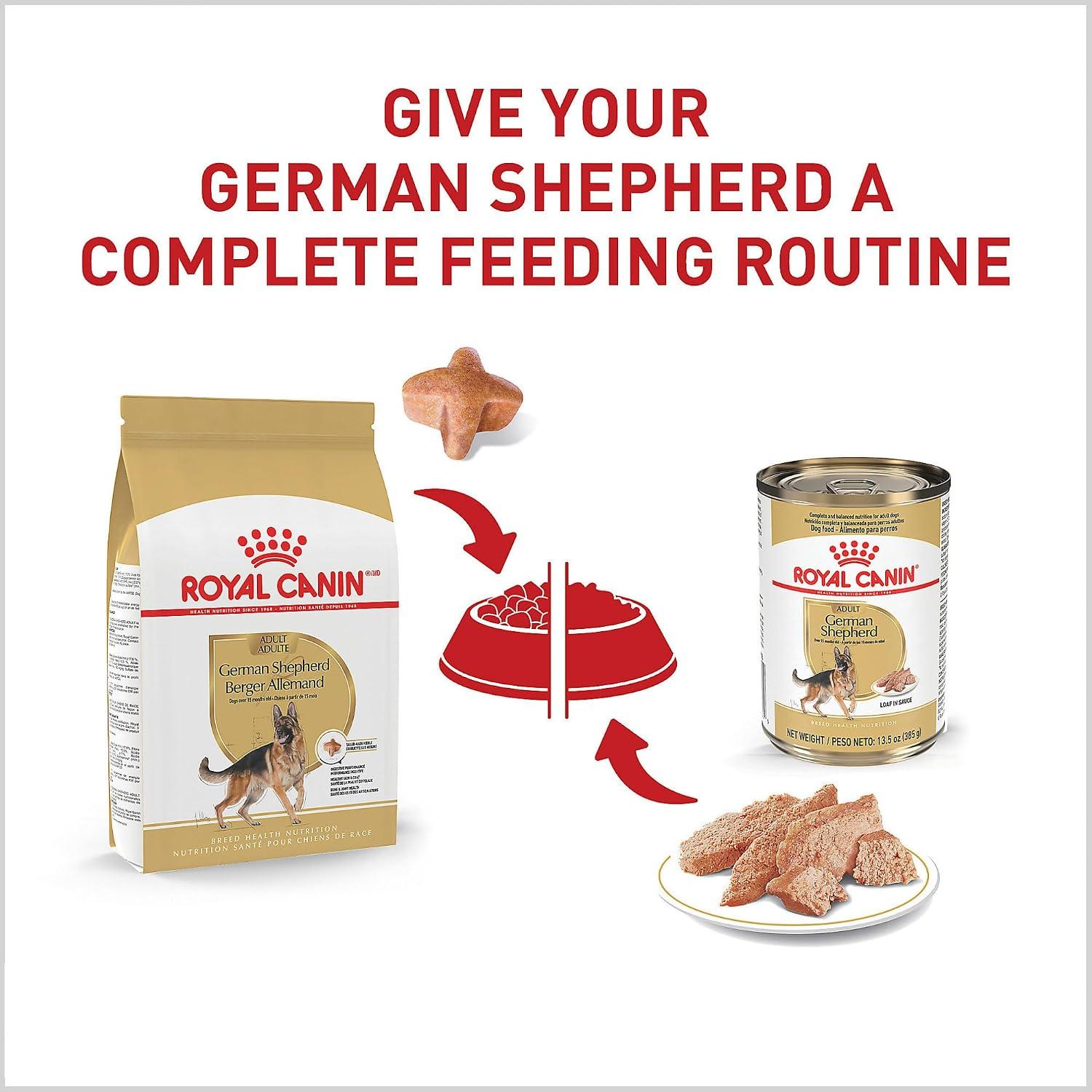
When it comes to feeding German Shepherds, your options primarily involve dry kibble, wet canned foods, or raw diets. Each type has its benefits depending on your dog’s lifestyle and specific needs. dry kibble is the most convenient choice and often formulated with a balance of nutrients designed for large breeds. It’s also beneficial for dental health as the crunchy texture helps reduce plaque buildup.
Wet food provides higher moisture content which is great for dogs that may not drink enough water, supporting kidney function and hydration. It also tends to be more palatable which can entice picky eaters. Though, wet food is generally more expensive and less convenient to store.
Raw diets mimic the natural ancestral feeding habits of dogs and can improve coat quality, energy, and digestion. However, they require careful planning and sourcing of ingredients to avoid bacterial contamination and ensure nutritional balance. Always consult your veterinarian before switching to a raw food diet to ensure it complements your German Shepherd’s health.
Our Top Product Recommendations
Special considerations for Puppies and senior german shepherds
Puppy German Shepherds have higher protein and calorie needs to support rapid growth and progress. It’s important to choose a puppy-specific formula that supports healthy bone and joint development with an optimal calcium-to-phosphorus ratio.Additionally, DHA from fish oils is essential for brain and eye development in young pups.
Senior German Shepherds require diets that help maintain muscle mass without excessive calorie intake to avoid weight gain. They benefit from dog foods enriched with joint-supporting compounds like glucosamine and omega-3 fatty acids to ease arthritis symptoms common in older dogs. Senior diets may also include antioxidants to boost their immune system and support cognitive function.
Switching the diet gradually and consulting your veterinarian around these life stages will ensure your German shepherd maintains vitality and enjoys good health.
Frequently Asked Questions
What is the ideal protein source for german Shepherd dog food?
High-quality animal proteins such as chicken, beef, lamb, and fish make the best protein sources for German Shepherd food. these provide essential amino acids for muscle growth and repair. Avoid foods where meat sources are vaguely labeled, like “meat meal,” as these are lower quality and less digestible.
How often should I feed my German Shepherd?
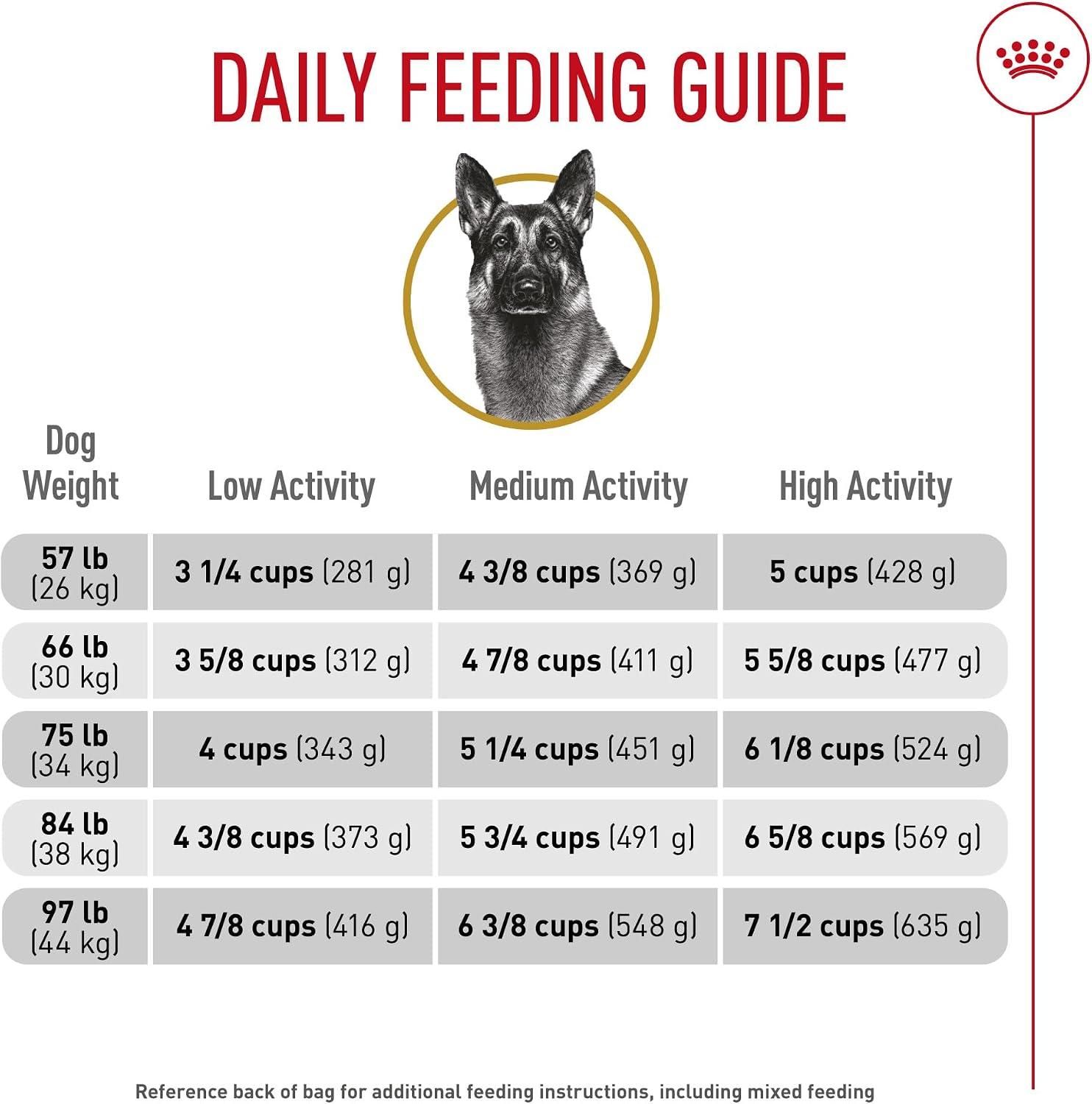
Adult German Shepherds typically do well with two meals per day to maintain stable energy and support digestion. Puppies younger than 6 months may require three to four meals daily to meet their higher metabolic needs.Consult your vet for personalized meal frequency recommendations based on your dog’s age, activity level, and health.
Can German Shepherds eat vegetarian or grain-free dog food?
While some German Shepherds may tolerate grain-free diets, most do best on foods with wholesome grains like brown rice or oats, which provide energy and fiber. Vegetarian diets are generally not recommended unless carefully formulated with all necessary amino acids and nutrients as dogs are primarily carnivores and require animal-based proteins for optimal health.
Conclusion
Feeding your German Shepherd the right diet tailored to their unique needs is one of the best investments you can make in your dog’s health and happiness. Focus on high-quality protein, joint support, and easily digestible ingredients to keep your pet energetic and thriving throughout their lives.
With the right food, your German shepherd will be ready to accompany you on every adventure, displaying the strength, agility, and loyalty the breed is celebrated for. Always consult with your veterinarian to ensure your chosen diet aligns perfectly with your dog’s specific health requirements.