
Introduction
Teaching yoru dog to fetch is one of the most enjoyable and rewarding activities for both you and your furry friend. Fetch not only provides great physical exercise but also strengthens the bond between dog and owner. Whether you have a playful puppy or an adult dog, learning how to teach fetch fast and effectively makes the training process easier and more fun.
This thorough guide is designed specifically for beginners who want fast results using positive reinforcement and easy-to-follow steps. By the end of this post, you’ll have the confidence and knowledge to train your dog to fetch efficiently and have a blast doing it!
Getting Started: understanding Your Dog’s Motivation
Before diving into fetch training, it’s important to understand what motivates your dog. Most dogs love to play, but not all dogs respond the same way to fetch. Some dogs are naturally inclined to chase and retrieve, while others may need a little extra encouragement.Identifying the right motivation-whether it’s treats, toys, or praise-will help speed up the learning process.
Start by offering your dog their favorite toy or ball and see how they respond. If your dog shows interest and picks up the toy willingly, you’re on the right track.If not, try introducing more enticing toys or pairing the fetch game with treats to build excitement. Patience is key here, and establishing a positive association with the fetch game will set a strong foundation for training.
Step-by-Step Guide to Teach Your Dog to Fetch
Once you gauge your dog’s interest, it’s time to begin the actual training process. Break the fetch game into simple,manageable steps to make learning easier and faster for your dog.
- Step 1: Introduce the Toy – Start indoors or in a low-distraction area. Show the toy to your dog and encourage them to engage with it by playing tug or letting them chew on it briefly.
- Step 2: Teach the “Take It” Command - Present the toy and say “Take it” while offering it to your dog. Reward promptly with praise or treats when they take it in their mouth. Repeat until your dog reliably takes the toy on command.
- Step 3: Encourage the Release – Once your dog has the toy, use the command “Drop it” or “Give” to teach dropping the toy. Offer a treat as a swap reward when your dog releases the toy into your hand.
- Step 4: Start Tossing the Toy – Toss the toy a short distance and encourage your dog to fetch. Praise enthusiastically when they go after it.If they don’t bring it back immediately, gently call them and use treats to lure them back.
- Step 5: Reinforce Fetch and Return – Practise throwing slightly further and rewarding returns consistently. Keep sessions short, fun, and positive to maintain your dog’s interest and motivation.
Consistency and patience are essential. Practice a few minutes multiple times a day rather than long, tiring sessions.
Common Challenges and How to Overcome Them
Some dog owners face common hurdles when teaching fetch. Your dog might chase the toy but refuse to bring it back or lose interest quickly after a few throws. Understanding these challenges makes it easier to address them effectively.
If your dog doesn’t want to give up the toy, try using high-value treats as an exchange incentive. Avoid chasing your dog to retrieve the toy as this can turn the game into a fun “keep-away” session, which can undermine training. Instead, use positive rewards and encourage your dog to come back to you voluntarily.
For dogs that lose interest too quickly, keep the training upbeat and adjust the type of toy. sometimes a softer ball, a squeaky toy, or a different texture will reignite excitement. Also, experiment with training locations-your dog might be more engaged in a quiet park than a busy backyard.
Our Top Product Recommendations

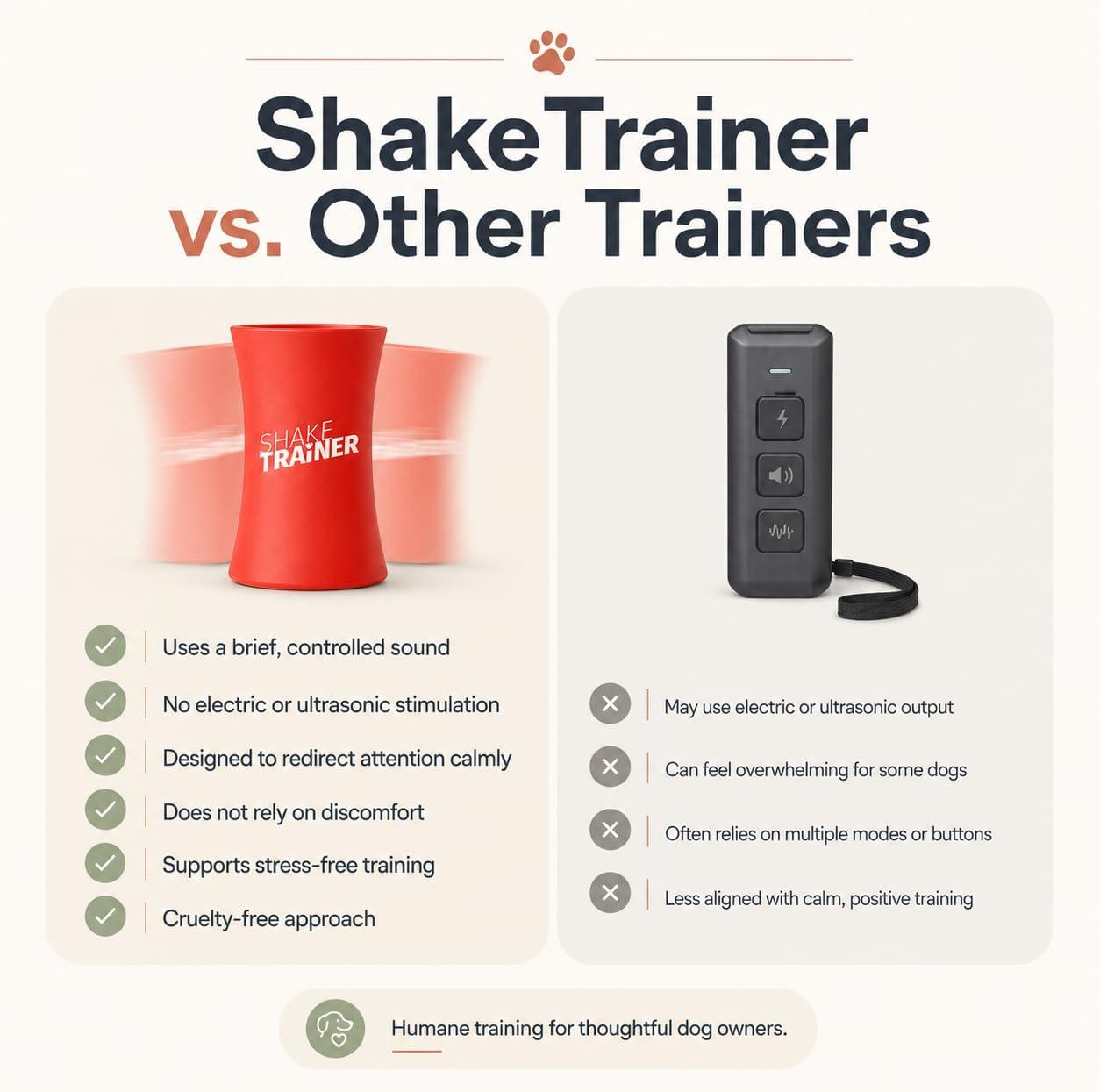
Tips for Making Fetch Training Fun and Safe
Making fetch a positive experience will encourage your dog to enjoy the game and learn faster. Always keep training sessions short-about 5 to 10 minutes-to keep your dog engaged without getting tired or bored.Use excited praise, treats, or play as a reward for good behavior to reinforce learning.
Safety is also important during fetch sessions. Avoid throwing objects too hard or in unsafe areas. Check for obstacles and ensure the playing surface isn’t too slippery or rough. Hydrate your dog regularly and watch for signs of fatigue or overheating, especially on warm days.
Use toys that are designed for fetching-those that are easy for your dog to carry and non-toxic. replace damaged toys promptly to prevent any risk of choking or injury. Lastly,adapt the level of difficulty based on your dog’s size,age,and breed to maintain a healthy and enjoyable training experience.
Frequently Asked Questions
How long does it usually take to teach a dog to fetch?
Most dogs can learn the basic fetch game within a few days to a couple of weeks with consistent short training sessions. Though, the timeline depends on your dog’s temperament, motivation, and the training methods used.
What if my dog chases the ball but doesn’t bring it back?
This is a common issue. Use treats or a favorite toy to encourage your dog to come back. You can also teach the “come” command separately to improve recall. Avoid chasing your dog as this can turn fetch into a game of keep-away.
Can all breeds learn to play fetch?
Most breeds can learn to fetch,but their enthusiasm and natural ability may vary. Some dogs prefer other types of games or training, so it’s important to find activities that suit your dog’s personality and interests.
Conclusion
Teaching your dog to fetch fast and effectively is a fantastic way to engage both physically and mentally with your pet. With patience, positive reinforcement, and the right approach, even beginners can train their dogs to master fetch quickly. remember, the goal is to have fun and build a lasting bond with your furry friend through this interactive game.
By following these steps, handling common challenges, and selecting the right products, you’ll create a fulfilling learning experience that keeps your dog happy, healthy, and entertained for years to come.