Introduction
Dog obesity is an increasingly common health concern among pet owners worldwide. Just like humans, dogs who carry excess weight face a higher risk of numerous health problems, including diabetes, heart disease, joint issues, and a reduced lifespan. Preventing dog obesity is essential for your furry friend’s overall well-being and happiness.
In this blog post, we will explore practical and effective tips to help dog owners maintain a healthy weight for their pets. By adopting these strategies, you can ensure your dog stays fit, active, and enjoys a vibrant, joyful life for years to come.
Understanding the Causes of Dog Obesity
Before diving into prevention tips, it’s important to understand why dogs become overweight in the first place. The primary cause of obesity in dogs is an imbalance between calorie intake and calorie expenditure. Simply put, if your dog consumes more calories than they burn through daily activities, excess fat is stored in their body over time.
Several factors contribute to this imbalance. Overfeeding, frequent treats, lack of exercise, and certain medical conditions can make your dog more prone to gaining weight. Additionally, some breeds are naturally predisposed to obesity due to their genetic makeup.Identifying the root causes of your dog’s weight gain is the first step toward preventing obesity effectively.
By addressing these causes and making thoughtful lifestyle changes, you can help your dog maintain a healthy weight and reduce the risk of obesity-related health issues.
Effective Feeding Strategies to Prevent Dog Obesity
One of the most impactful ways to keep your dog at a healthy weight is through proper nutrition and feeding habits. Overfeeding or giving to many high-calorie treats is a common mistake that leads to weight gain. Instead, practice portion control by following the recommended serving sizes based on your dog’s breed, size, and activity level.
Consider choosing high-quality dog food that meets their nutritional needs without unnecessary fillers or excess calories. Foods rich in protein and fiber can help your dog feel full longer, reducing the temptation to overeat. Additionally, avoid feeding your dog table scraps or human food, as these often contain unhealthy fats and sugars that contribute to weight gain.
Using puzzle feeders or slow-feed bowls can also promote healthier eating habits by encouraging your dog to eat more mindfully and at a slower pace.
our Top Product Recommendations
1. Hill’s Science Diet Adult Perfect Weight Dry Dog Food
Formulated by veterinarians and nutritionists, this dog food helps dogs lose weight safely with clinically proven nutrition. It contains natural ingredients and a perfect balance of antioxidants for immune support.
2. Outward Hound Fun Feeder Slo-Bowl
A slow-feed bowl designed to reduce gulping and promote healthy digestion. This helps prevent obesity by encouraging cautious, measured eating which helps weight management.
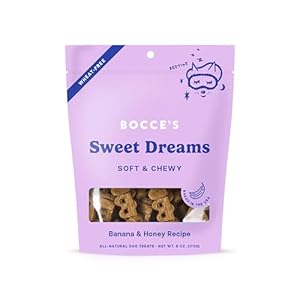
3. Blue Buffalo Wilderness Treats
Grain-free and high in protein, these treats make a great low-calorie snack option. They use natural ingredients and are free from artificial preservatives and colors.
Incorporating Regular Exercise for Weight Control
Exercise is a critical component in preventing dog obesity. Just like people, dogs need daily physical activity to burn calories and maintain muscle tone. Start by incorporating regular walks, playtime, and interactive games into your dog’s routine.Depending on your dog’s breed and energy levels,this can range from a 20-minute walk to more intensive activities such as running or agility training.
Enrich your dog’s surroundings with toys and puzzles to keep them mentally stimulated as well.Mental exercise can be just as critically important as physical exercise in reducing boredom and preventing overeating out of anxiety. Consistent exercise not only manages weight but also strengthens your bond with your dog and enhances their overall happiness.
If your dog is overweight, start slow and gradually increase the intensity and duration of exercise to avoid injury.
Frequently Asked Questions
How can I tell if my dog is overweight?
You can assess your dog’s weight by looking at their body shape and feeling their ribs. A healthy dog should have a visible waist when viewed from above and a noticeable abdominal tuck when viewed from the side. You should be able to feel (but not see) their ribs without pressing hard. If your dog has a rounded body shape and you cannot feel their ribs easily, they might potentially be overweight.
What are some healthy treats I can give my dog?
Healthy treats include small pieces of fruits like apple slices (without seeds), carrot sticks, green beans, and specially formulated low-calorie dog treats. Avoid sugary, fatty, or starchy human snacks and always give treats in moderation to prevent excess calorie intake.
Is it safe to put my dog on a diet?
Yes,but dieting should always be done under the guidance of a veterinarian. Sudden or extreme calorie restrictions can be harmful. A vet can reccommend a balanced,gradual weight loss plan tailored to your dog’s individual needs and health status.
Conclusion
Preventing dog obesity requires a combination of proper nutrition, portion control, and regular exercise. By understanding the root causes and making informed lifestyle choices, you can provide your dog with a healthy, active life free from the risks associated with excess weight.Remember, managing your dog’s weight is not just about looks – it’s essential for their long-term health and happiness.
Staying consistent with these tips and monitoring your dog’s progress will help ensure that your pet remains a vibrant companion by your side for many years to come.