Introduction
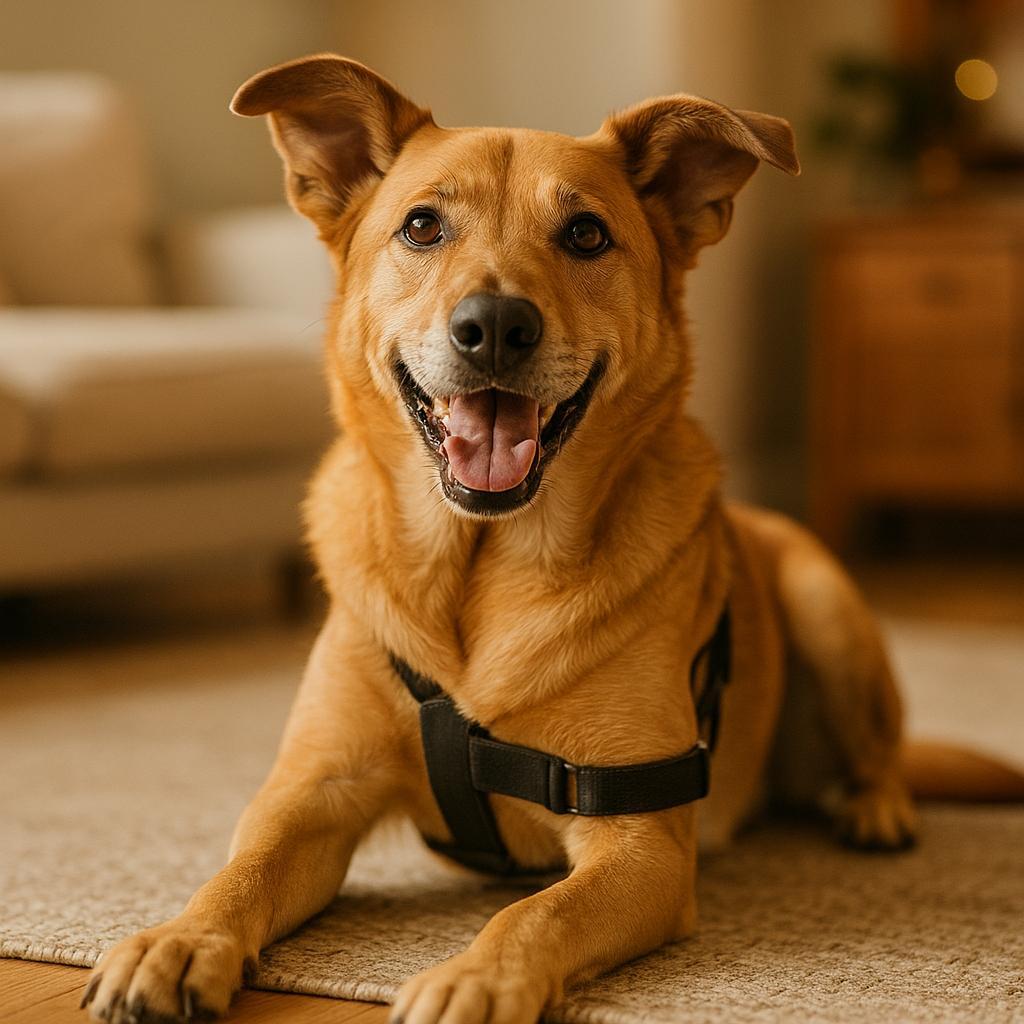
Hip dysplasia is a common orthopedic condition affecting many dogs, especially larger breeds. It occurs when the hip joint does not develop properly,leading to joint instability,pain,and arthritis. For dog owners, understanding how to help a dog wiht hip dysplasia is essential to improving their pet’s quality of life and managing the discomfort associated with this condition.
In this detailed guide, we will explore effective tips and treatments that can help ease your dog‘s hip dysplasia symptoms. From lifestyle adjustments to medical interventions, these insights will empower you to provide the best possible care for your furry friend.
Understanding Hip Dysplasia and Its Impact on Dogs
Hip dysplasia happens when the ball and socket joint of a dog’s hip does not form properly. Instead of fitting snugly, the ball can slip in and out of the socket, causing pain, inflammation, and abnormal wear on the joint. This condition primarily affects larger breeds such as German Shepherds, Golden Retrievers, and Labrador Retrievers, but it can occur in any breed.
Dogs with hip dysplasia may show signs like difficulty rising, reluctance to run or jump, limping, or noticeable discomfort when touched around the hip area. Early detection is key because managing hip dysplasia early can slow down joint deterioration and improve your dog’s mobility and happiness. Regular vet check-ups will help monitor your dog’s condition and catch any worsening symptoms.
Lifestyle Changes to Support Dogs with Hip Dysplasia
One of the most effective ways to help a dog with hip dysplasia is by making lifestyle modifications that reduce joint stress and promote overall comfort. Weight management, such as, plays a crucial role in relieving pressure on arthritic or unstable hips. Maintaining a healthy weight through controlled feeding portions and a balanced diet can significantly reduce the load on affected joints.
Alongside diet,providing a dog-friendly exercise routine is essential. Low-impact activities such as swimming or controlled leash walks help strengthen muscles around the hip joint without causing further damage. Avoid high-impact exercises like jumping or running on hard surfaces, as they can worsen joint inflammation.
Additionally, providing a comfortable and supportive resting area with orthopedic dog beds can reduce soreness. Elevated food and water bowls may also help to reduce strain when a dog eats or drinks, making daily routines easier.
Medical Treatments and Therapies for Hip Dysplasia
Veterinary care is vital for managing hip dysplasia effectively. Your vet may recommend medications such as non-steroidal anti-inflammatory drugs (NSAIDs) to help reduce pain and inflammation. These medications can improve your dog’s comfort and mobility when used under professional supervision.
Physical therapy and rehabilitation are also gaining popularity as adjunct treatments. Techniques such as hydrotherapy, laser therapy, massage, and targeted exercises can strengthen supportive muscles and enhance joint function. Some dog owners find that regular sessions with a certified canine rehabilitation therapist improve their pet’s activity levels and slow disease progression.
In severe cases,surgical options like femoral head ostectomy (FHO) or total hip replacement may be necessary. Surgical intervention typically leads to significant pain relief and improved joint function but requires thorough discussion with your veterinarian to weigh risks and benefits.
Our Top Product Recommendations

Dietary Supplements and Nutritional Support
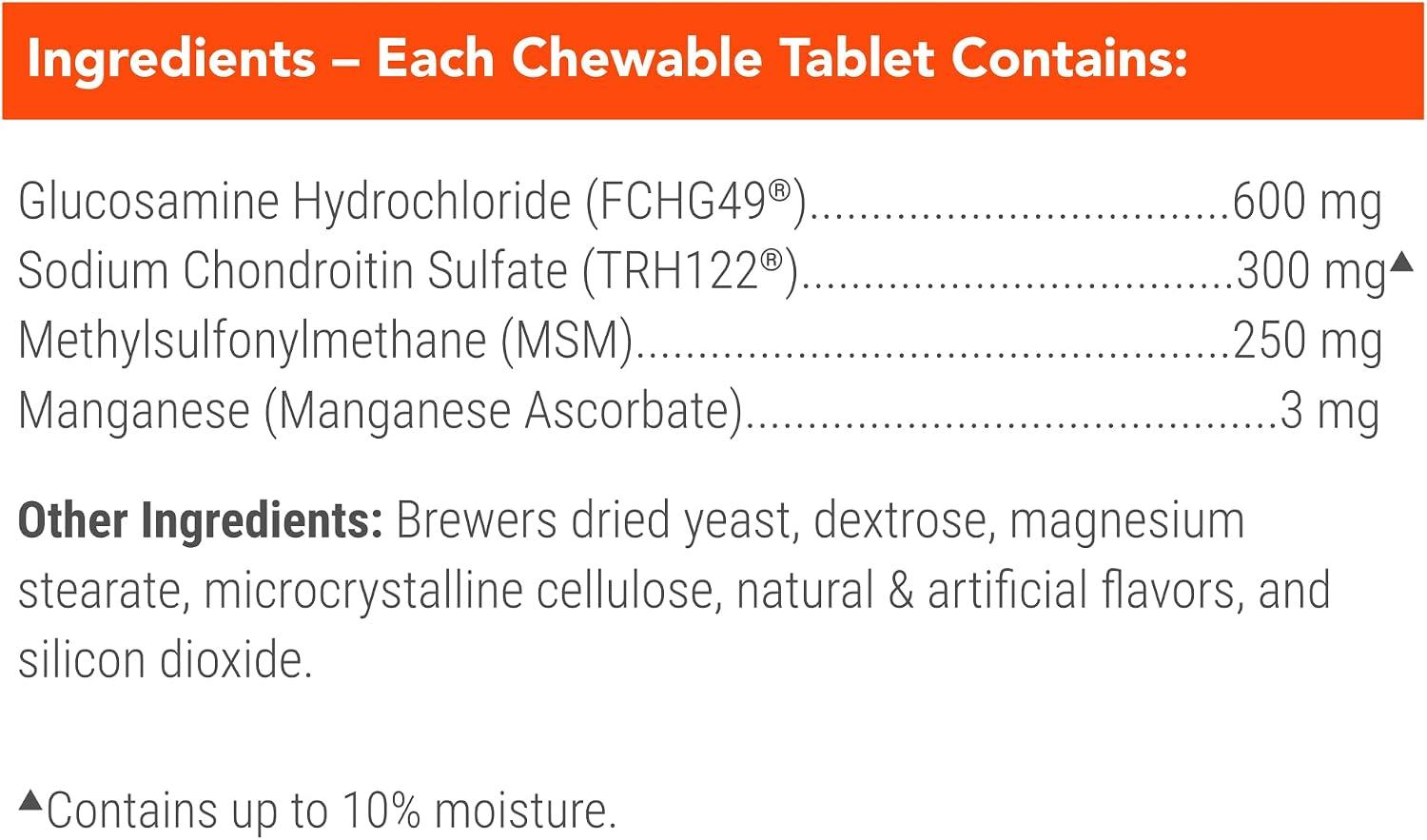
In addition to medications and lifestyle changes, dietary supplements can play a supportive role in managing hip dysplasia symptoms. Supplements like glucosamine, chondroitin sulfate, and omega-3 fatty acids have been shown to support joint health and reduce inflammation. They promote cartilage repair and help maintain joint lubrication, easing mobility for affected dogs.
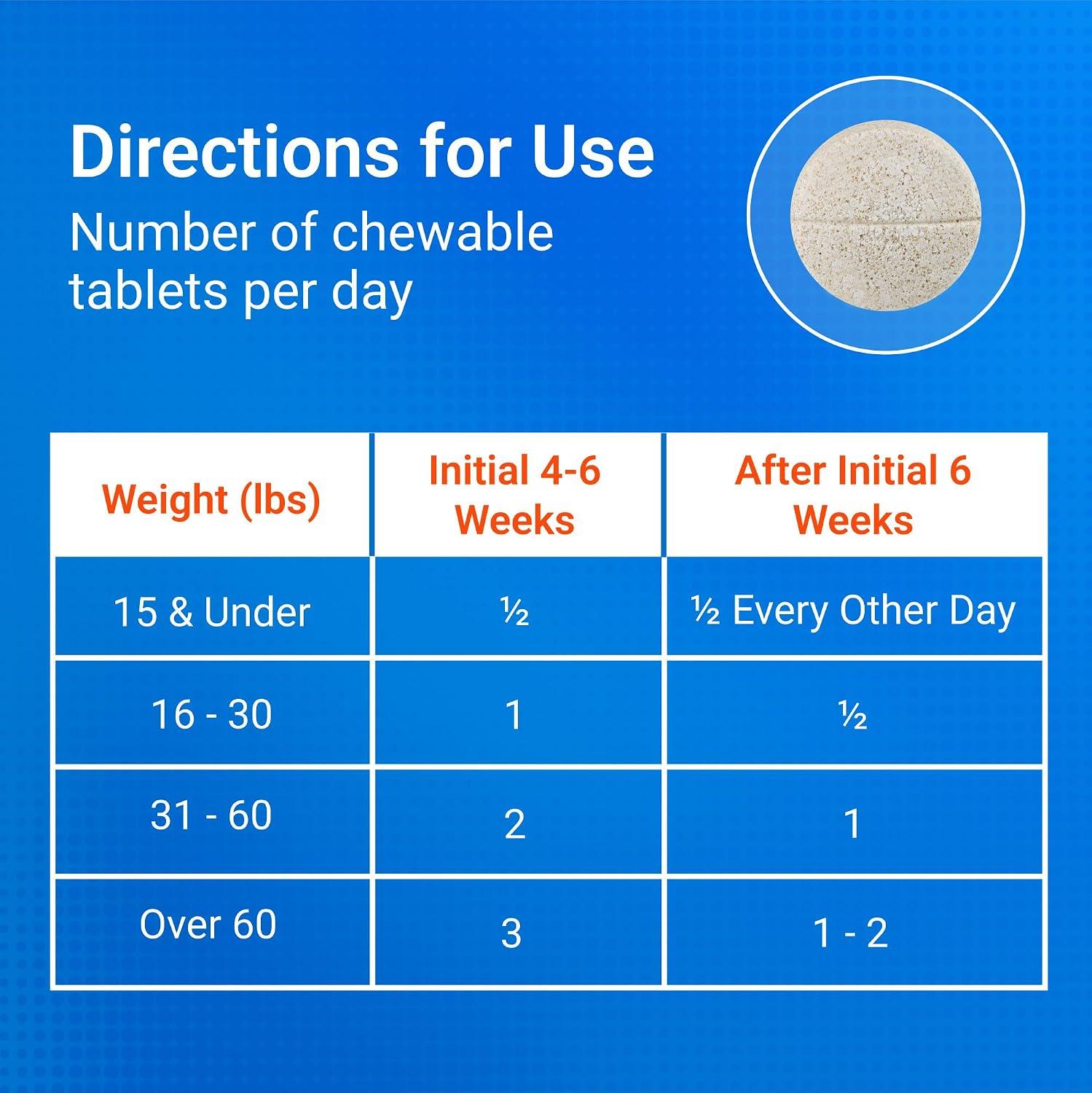
Before adding any supplements to your dog’s regimen, consult your veterinarian to determine appropriate dosages and ensure no interactions with existing medications. Consistency is key with supplements, and noticeable improvements often take several weeks of regular use.
In some cases, specially formulated diets designed to support joint health can benefit hip dysplasia dogs. These diets typically include omega-3 fatty acids,antioxidants,and lean proteins to maintain overall health while minimizing excess weight gain.
Frequently Asked Questions
What breeds are most prone to hip dysplasia?
Large and giant breeds are most commonly affected by hip dysplasia. Breeds like German Shepherds, Labrador Retrievers, Golden Retrievers, Rottweilers, and Saint bernards tend to have a higher risk due to their size and genetic predisposition. However,hip dysplasia can occur in smaller breeds as well.
Can hip dysplasia be cured?
Hip dysplasia is a chronic condition that cannot be fully cured, but its symptoms can be managed effectively. Through a combination of lifestyle changes, medication, physical therapy, and sometiems surgery, many dogs live comfortable and active lives despite their diagnosis.
is surgery always necessary for dogs with hip dysplasia?
Surgery is not always required. Many dogs respond well to conservative treatments like weight management, supplements, and physical therapy. Surgery is typically reserved for severe cases or when conservative management fails to relieve pain and improve mobility.
Conclusion
Helping a dog with hip dysplasia requires a compassionate and multi-faceted approach. By understanding the condition and implementing effective lifestyle changes,medical treatments,and nutritional support,dog owners can greatly improve their pet’s comfort and quality of life. Regular veterinary care, combined with patience and attentive care, ensures your furry companion receives the best treatment possible to manage hip dysplasia successfully.