Introduction
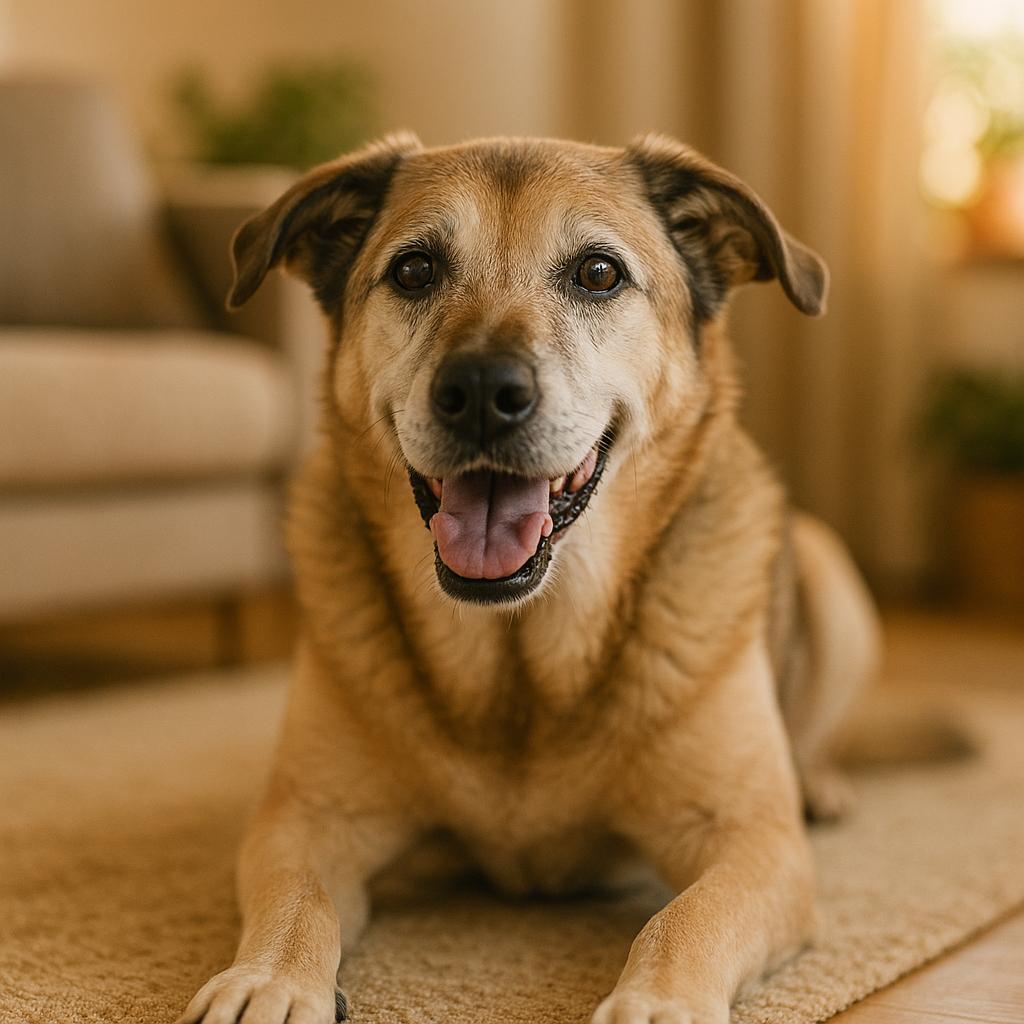
Caring for a senior dog at home requires a unique approach that caters to their changing needs as they age. Just like humans, dogs experience physical and cognitive changes over time, and understanding how to support them through those stages is essential for their health and happiness. With the proper care, you can ensure your senior dog enjoys their golden years with comfort, vitality, and joy.
In this blog post, we will explore practical tips and strategies to help dog owners provide the best care for their aging pets. From nutrition and exercise to healthcare and emotional well-being, these insights will guide you in making your senior dog’s home environment safe, cozy, and enriching.
Adjusting nutrition and Diet for Senior Dogs
One of the most important aspects of caring for a senior dog is adapting their diet to meet their changing nutritional requirements. As dogs age, their metabolism slows down, and they may become less active, which means they need fewer calories to maintain a healthy weight.Overfeeding can easily lead to obesity, which in turn can exacerbate conditions such as arthritis, diabetes, and heart disease.
On the other hand, many senior dogs benefit from diets higher in fiber to promote digestive health and proteins that support muscle maintainance. It is also essential to incorporate foods with antioxidants and omega-3 fatty acids, which can help reduce inflammation and support brain function.Consulting your veterinarian about premium senior dog food options or customized meal plans can ensure your dog gets the right balance of nutrients for their age and health status.
Hydration is equally critical. Senior dogs, like all pets, need constant access to fresh, clean water to stay hydrated. Proper hydration supports organ health and helps prevent urinary tract problems that can become more frequent with age.
creating a Comfortable Home Environment for Your Aging Dog
As dogs get older, they might face challenges with mobility and joint pain, especially if arthritis or other degenerative diseases are present. Creating a safe and comfortable living space is crucial to help them navigate their surroundings without discomfort or risk of injury.
Consider providing orthopedic beds which offer extra cushioning and support for aching joints. Non-slip rugs or mats can definitely help senior dogs maintain balance on slippery floors, preventing falls. Also, think about modifying your home environment by adding ramps or steps to help your dog access favorite resting spots, couches, or cars without struggling.
Temperature regulation is another key factor. Senior dogs might be more sensitive to cold weather, so extra blankets or heated pads can keep them warm, especially during winter months. Proper lighting in hallways and staircases can also reduce accidents, particularly if your dog’s vision has diminished.
Our Top Product Recommendations



Prioritizing Regular Veterinary Care and Monitoring Health
Regular check-ups with your veterinarian become increasingly important as your dog ages. These visits help detect health issues early before they become severe, ensuring your senior dog receives timely treatment. Your vet can screen for common age-related ailments such as kidney disease, dental problems, arthritis, and neurological conditions.
Maintaining updated vaccinations and parasite prevention is also vital to shield your elderly dog from infections that could compromise their weakened immune system. Furthermore, discuss with your vet any supplements or medications that might support your dog’s quality of life.
At home, observe your dog for changes in behavior, appetite, weight, mobility, or bathroom habits. Early signs of discomfort or illness might be subtle,but noting these changes and reporting them promptly can make a important difference in managing your dog’s health well into their twilight years.
Frequently Asked Questions
How do I know when my dog is officially considered a senior?
the age at which a dog is considered senior varies by breed and size. Generally, small breeds enter their senior years around 7 to 8 years old, while larger breeds may be considered senior as early as 5 to 6 years. Your veterinarian can help determine when your dog should be classified as a senior based on their health and breed.
What signs indicate my senior dog may be in pain?
Signs of pain in senior dogs can include limping, reluctance to move or jump, changes in behavior such as increased irritability or withdrawal, whimpering or yelping, and changes in eating or sleeping patterns. If you notice any of these signs, consult your veterinarian for an evaluation.
Is exercise still important for a senior dog?
Yes,regular,moderate exercise is crucial for senior dogs to maintain muscle tone,joint versatility,and mental stimulation. However, exercise routines should be adjusted based on your dog’s abilities and health conditions to avoid overexertion.
Conclusion
Caring for a senior dog at home involves attentiveness, patience, and a willingness to adapt to your pet’s evolving needs. By focusing on their nutrition, creating a comfortable living environment, and prioritizing regular veterinary visits, you can greatly enhance your dog’s quality of life as they age.
Remember, your love and care make all the difference in ensuring your senior dog enjoys their golden years with happiness and comfort. Cherish every moment and provide the loving support they deserve.