Introduction
Urinary Tract Infections (UTIs) are a common health issue that can affect dogs of all ages and breeds. When your furry friend is suffering from a UTI,it can be distressing for both you and your pet. Recognizing the symptoms early and knowing how to treat a dog UTI at home can definitely help ease your dog’s discomfort and prevent the infection from worsening.
In this blog post, we will explore effective and safe home remedies to treat your dog’s UTI, along with essential tips to support your pet’s urinary health.Whether you’re dealing with mild symptoms or looking for supportive care alongside veterinary treatment, this guide is designed to help you understand how to care for your dog during this condition comfortably and safely.
Understanding and Identifying Dog UTI symptoms
Before diving into treatment options, it’s critically important to understand the signs that indicate your dog might have a UTI. Common symptoms include frequent urination, straining or discomfort while urinating, cloudy or strong-smelling urine, blood in the urine, licking around the genital area excessively, and sometimes lethargy or loss of appetite.
if you observe any of these signs, it’s crucial to confirm the diagnosis with a vet. However, for mild cases or as a complement to veterinary care, home remedies can provide relief and help speed up recovery. Early intervention is key to preventing the infection from spreading to the kidneys or becoming chronic.
Safe Home Remedies to Treat Dog UTI
Once a UTI has been identified, there are several natural remedies you can safely administer at home to support your dog’s healing process. One of the most effective natural treatments involves increasing your dog’s water intake, which helps flush bacteria from the urinary tract and improves bladder health.
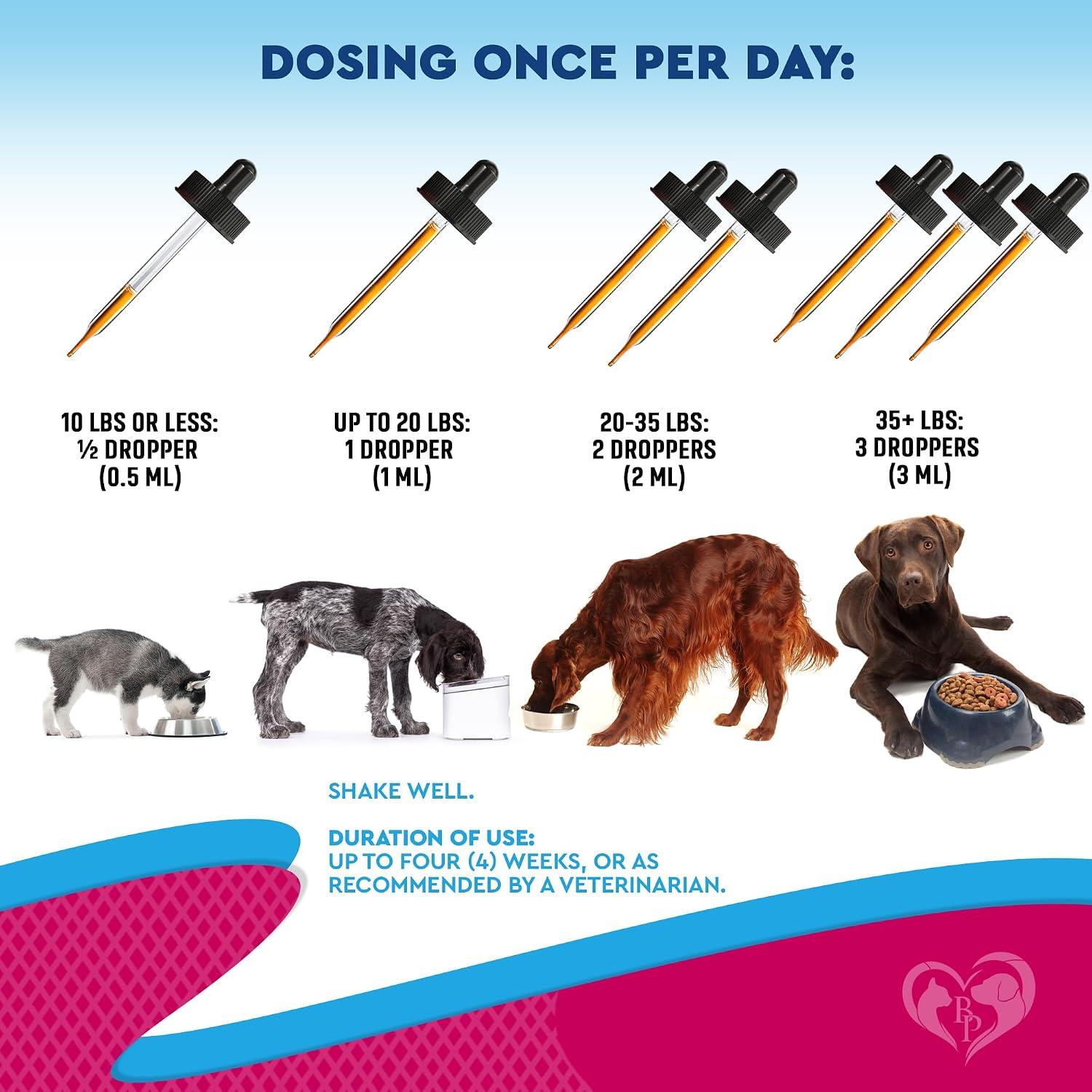
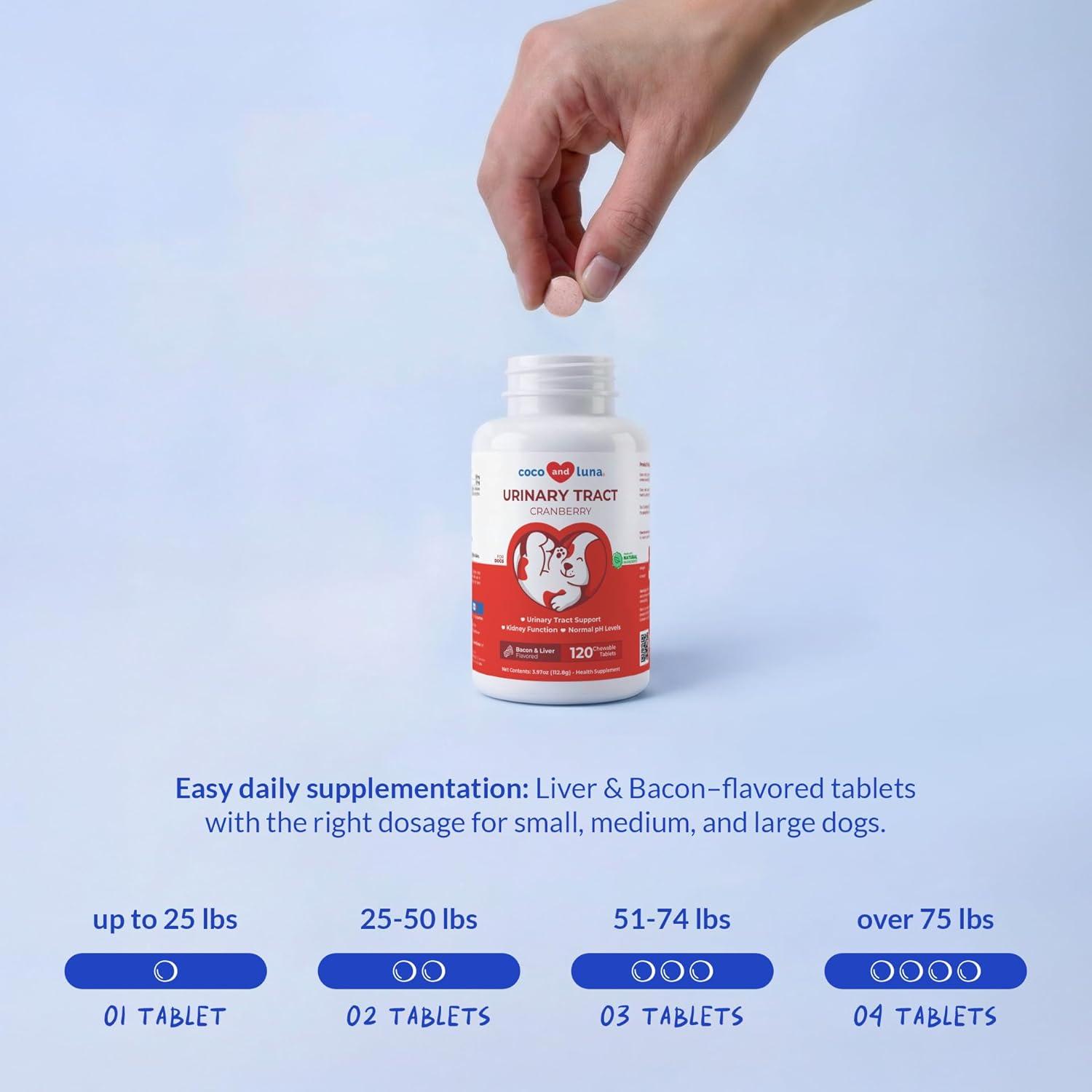
Adding natural cranberry supplements or D-Mannose to your dog’s diet is another well-known remedy. Cranberry helps prevent bacteria from adhering to the bladder walls, while D-Mannose works similarly to block infection-causing bacteria.Both are considered safe supplements when used according to dosage instructions.
Furthermore, keeping your dog’s living surroundings clean and encouraging bathroom breaks frequently will reduce bacterial build-up. A well-maintained hygiene routine is essential for preventing reinfection and helping your dog recover more quickly.
Diet and Hydration Tips for Dogs with UTI
Proper diet plays a important role in managing UTIs in dogs. A diet rich in moisture can aid hydration and support urinary tract health. Wet dog food or adding water or broth to dry kibble can encourage your dog to drink more fluids.
Avoid feeding your dog foods high in sugar or artificial additives as they may aggravate urinary tract infections.Instead, focus on a balanced diet rich in vitamins and minerals that promote immune function, such as vitamin C and antioxidants found in certain dog-safe fruits and vegetables.
Regularly providing fresh, clean water and monitoring your dog’s drinking habits are essential. Dehydration concentrates the urine, creating an environment where bacteria thrive. By maintaining proper hydration, you dilute the urine and help your dog naturally fight off the infection.
Our Top Product recommendations
When to see a Veterinarian and Preventive Measures
While home remedies can be highly effective in managing mild utis or supporting recovery, it’s critically important to know when professional veterinary care is necessary. If your dog shows persistent symptoms beyond a few days, experiences severe pain, fever, vomiting, or blood in the urine, schedule a vet visit instantly. Untreated UTIs can lead to serious complications such as kidney infections.
Your vet may prescribe antibiotics or other medications to fully resolve the infection. Additionally,they can help identify any underlying causes that might contribute to recurrent UTIs,such as bladder stones or anatomical issues.
For prevention, maintaining good hygiene, providing plenty of water, avoiding irritants such as harsh cleaning chemicals, and scheduling regular health check-ups can reduce the risk of UTIs in dogs. Also,spaying female dogs can decrease the likelihood of infections associated with hormone fluctuations.
Frequently Asked Questions
Can I give my dog cranberry supplements for UTI prevention?
Yes, cranberry supplements are considered safe and commonly used to prevent or reduce urinary tract infections in dogs. They help prevent bacteria from adhering to the bladder walls. Though, always consult your vet for the appropriate dosage and to rule out other health concerns.
How long does it take for a dog UTI to clear up with home treatment?
With safe home remedies, a mild UTI may start to improve within a few days, but it can take up to 1-2 weeks for full resolution. If symptoms persist beyond 5-7 days or worsen, veterinary treatment is necessary to avoid complications.
Is it safe to give my dog antibiotics prescribed to someone else?
No, you should never give your dog antibiotics or medications that were prescribed to another pet or person. Incorrect medications or dosages can be harmful. Always follow your veterinarian’s guidance for treating your dog’s UTI.
Conclusion
Treating a dog UTI at home with safe and natural remedies can be a helpful way to ease your pet’s discomfort and support recovery. By increasing hydration, incorporating cranberry or D-Mannose supplements, maintaining proper hygiene, and ensuring a balanced diet, you can effectively assist your dog during this uncomfortable condition.
However, it’s vital to monitor your dog closely and seek professional veterinary care when symptoms persist or worsen. With timely attention and care, your dog can overcome a UTI and return to their happy, healthy self swiftly.