Introduction
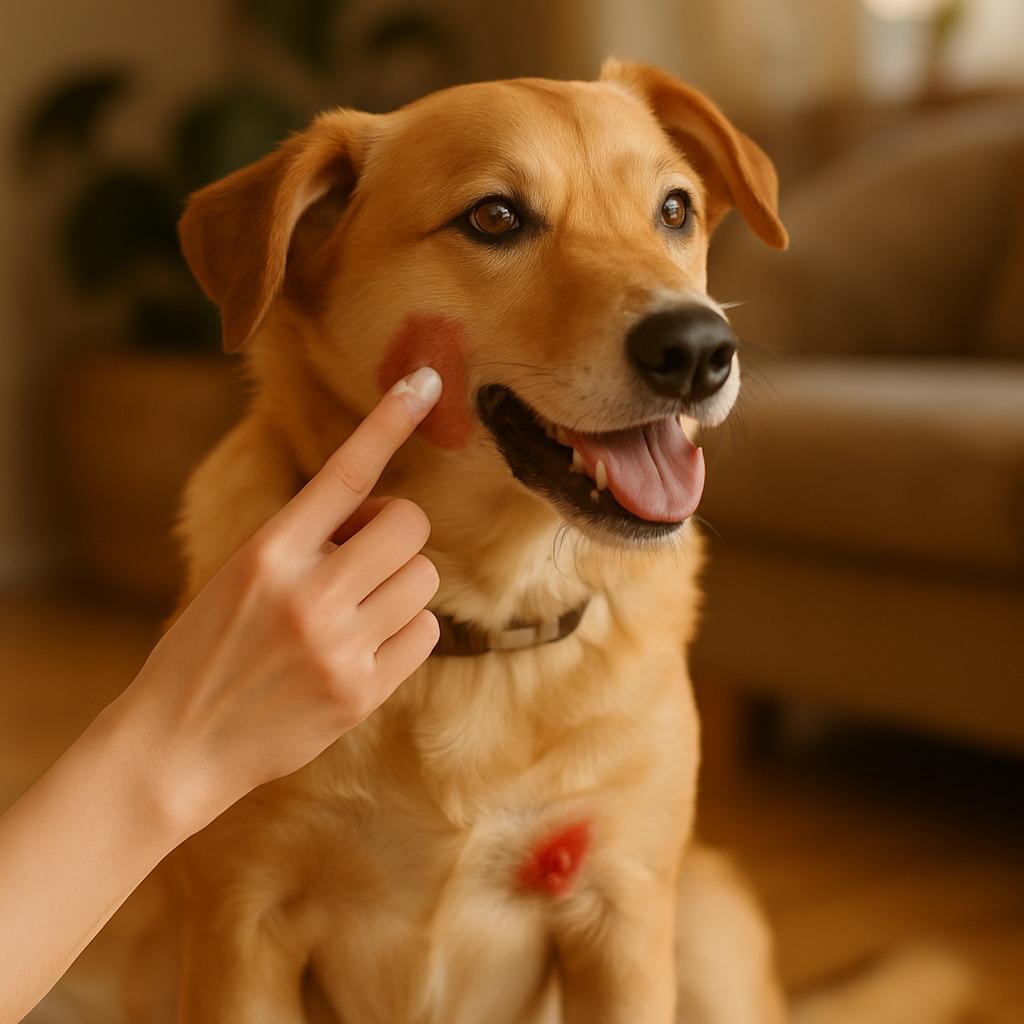
Dog hot spots, also known as acute moist dermatitis, are common skin irritations that can cause discomfort and distress to yoru furry friend. these red,inflamed patches of skin can appear suddenly and spread quickly if not treated promptly,frequently enough making your dog scratch or lick excessively. Understanding how to identify and treat hot spots at home can save your pet from unneeded pain and help restore thier skin health effectively.
In this blog post, we will explore simple and effective remedies that dog owners can use to treat hot spots at home safely. Whether your dog is a playful puppy or a senior companion, these tips and treatments are designed to help soothe irritated skin, prevent infection, and promote healing in everyday settings without the immediate need for a vet visit.
identifying and Cleaning Dog Hot Spots
Before diving into treatment, itS crucial to correctly identify what hot spots look and feel like.These areas often start as small red patches but can quickly become oozing sores with hair loss around the affected spots. The underlying cause might be allergies, insect bites, moisture trapped under a thick coat, or even an underlying infection. Identifying the initial cause can definately help you prevent recurrence after treatment.
Once you have identified a hot spot, the first step is to gently clean the area. Using mild antiseptic solutions like diluted chlorhexidine or saline water works well to cleanse the wound without causing additional irritation. Carefully clip the fur around the hot spot to allow air to reach the wound and to make cleaning easier. Be gentle to avoid causing pain or further trauma to your dog’s skin.
Regular cleaning, at least once or twice a day, is essential to remove dirt and discharge that can aggravate the condition. Always ensure your dog’s skin is dry after cleaning, as moisture can worsen hot spots by creating an ideal habitat for bacteria to thrive.
Home Remedies to Soothe and Heal Hot Spots
There are several safe and natural home remedies you can apply to help ease your dog’s discomfort and promote healing. Aloe vera gel is a popular choice because of its soothing and anti-inflammatory properties. Apply a thin layer of pure aloe vera on the cleaned hot spot to reduce itching and irritation.
Another effective remedy is using a mixture of apple cider vinegar and water (equal parts) as a spray to help kill bacteria and dry out the hot spots. however, avoid this if the wound is open or oozing, as the vinegar can sting and cause more inflammation. For minor cases, applying a cold compress wrapped in a clean cloth to the area can help reduce swelling and provide immediate relief.
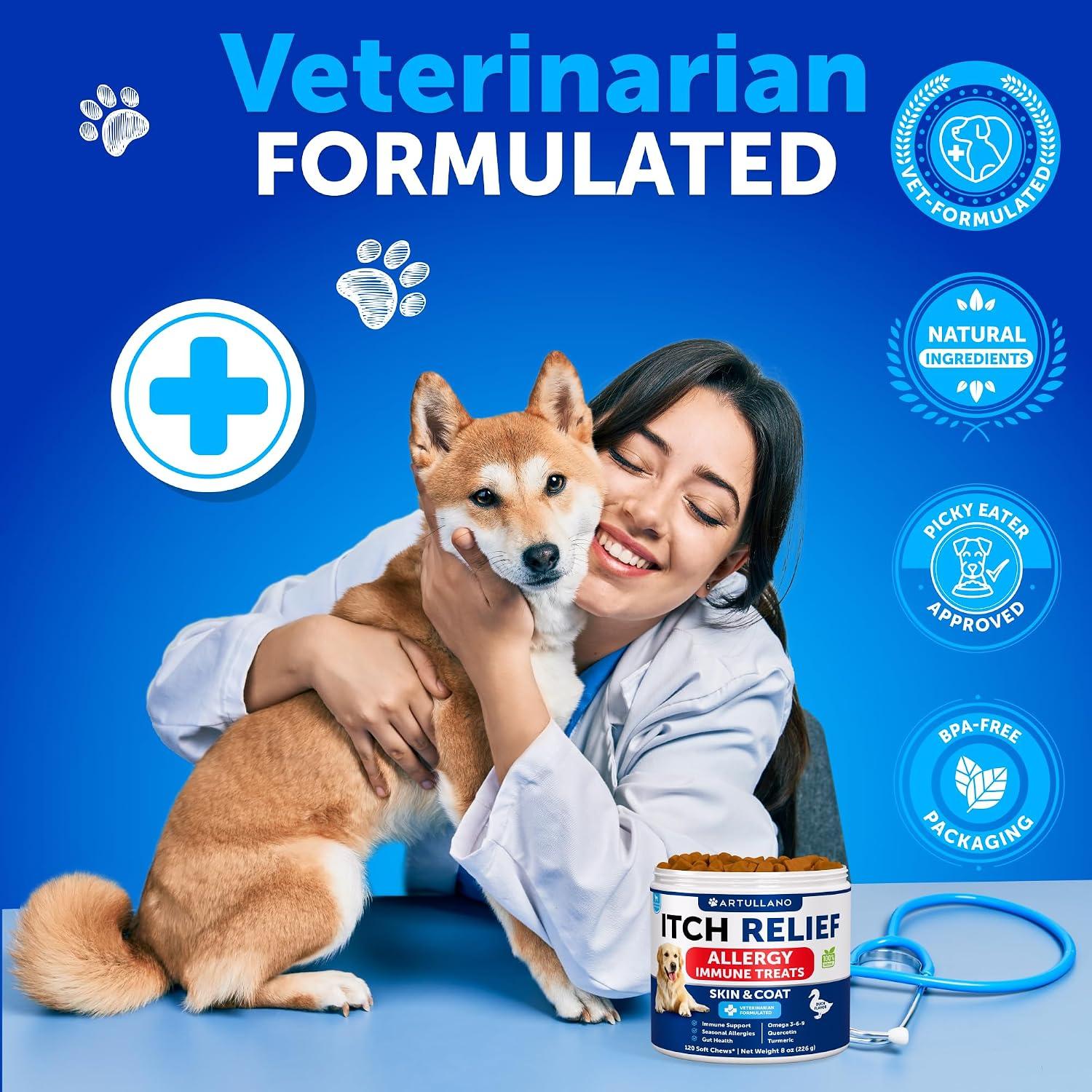
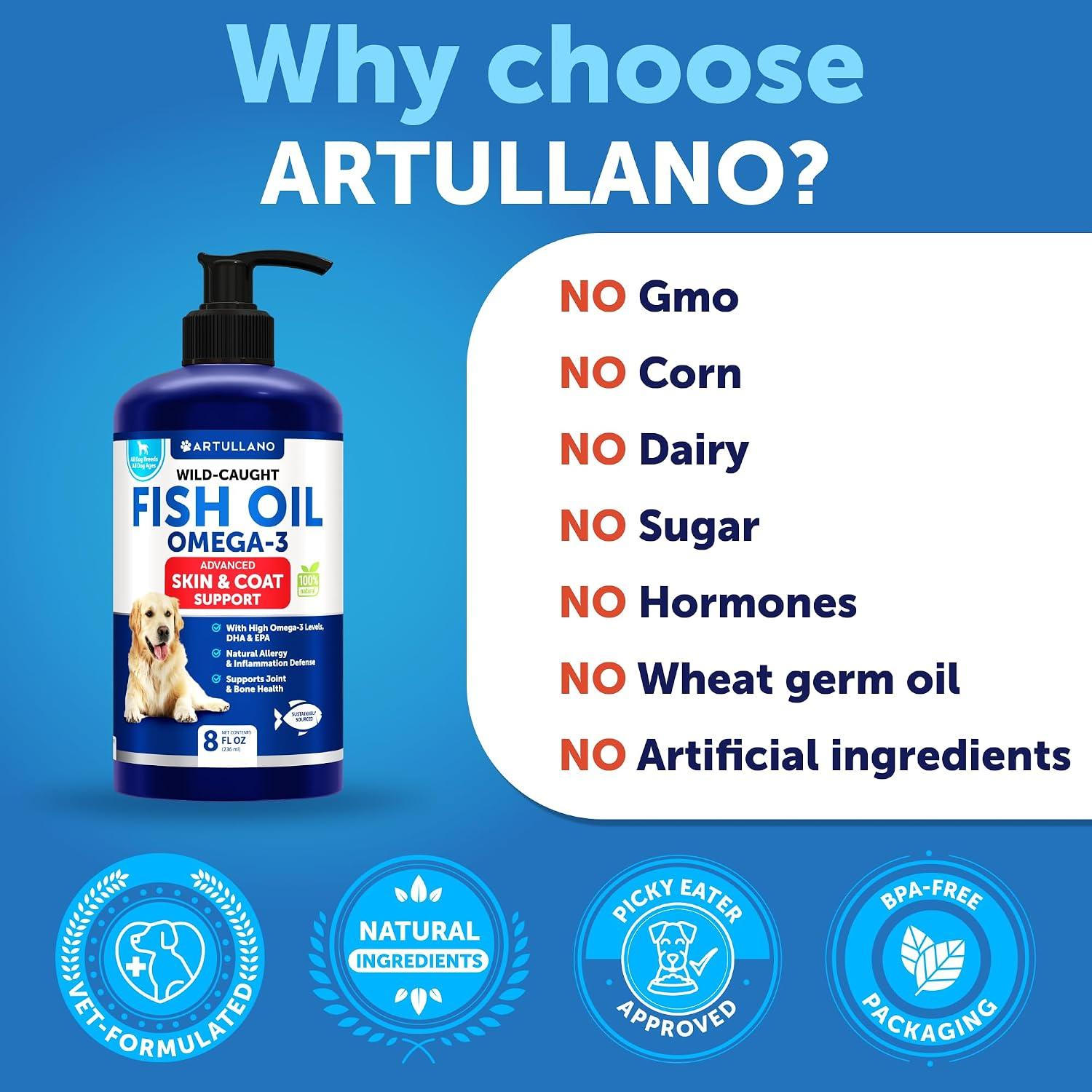
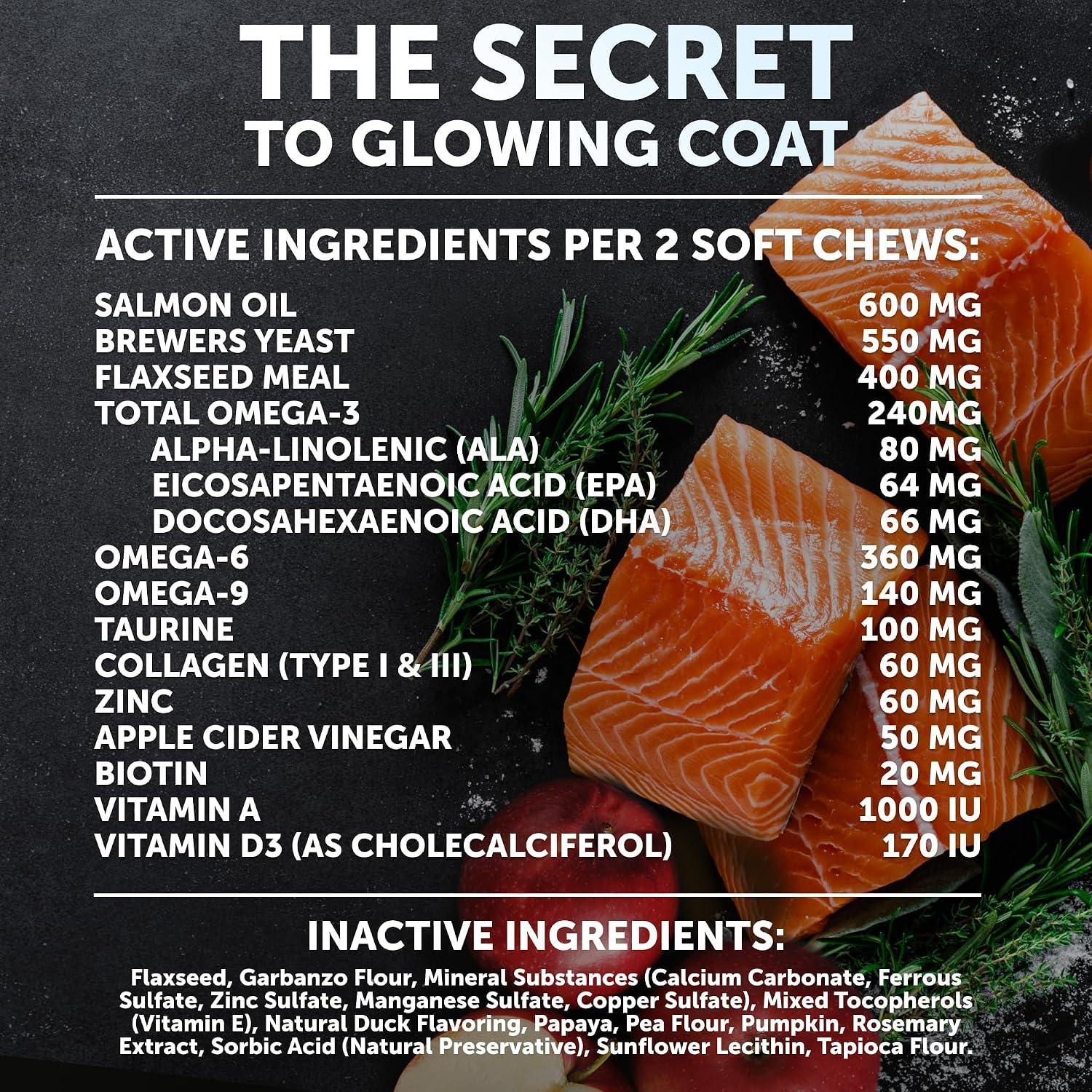
Making sure your dog wears a protective collar or an inflatable cone helps prevent excessive scratching or licking, wich can make the hot spot worse or cause secondary infections. Additionally, boosting your dog’s immune system through a healthy diet or supplements like omega-3 fatty acids can support faster recovery and reduce the likelihood of repeat hot spots.
Our Top Product Recommendations
Preventing Future hot Spots
Prevention is always better than cure, especially when it comes to dog hot spots. Regular grooming is key-brushing your dog frequently helps remove dirt, debris, and loose hair that can trap moisture and bacteria against the skin. Make sure to dry your dog thoroughly after baths or swimming, as damp fur is a prime environment for hot spots to develop.
Manage your dog’s allergies by identifying and avoiding triggers such as certain foods, environmental allergens like pollen or dust mites, and flea infestations. Flea control is particularly crucial because flea bites are a frequent cause of hot spots. Use vet-approved flea treatments regularly and keep your pet’s environment clean to minimize risk.
Incorporating supplements like omega-3 fatty acids into your pet’s diet can also help maintain healthy skin and a shiny coat, reducing inflammation and rash flare-ups. Be alert to your dog’s behavior; excessive licking, chewing, or scratching can indicate early signs of hot spots or other skin irritations requiring prompt attention.
Frequently Asked Questions
What causes hot spots on dogs?
Hot spots can be caused by a variety of factors, including allergies (food, environmental, flea bites), insect bites, excessive moisture trapped under the coat, poor grooming, skin infections, or underlying health issues. identifying and addressing the root cause is essential to prevent recurrence.
When should I see a vet for my dog’s hot spots?
If the hot spot is large, spreading rapidly, severely painful, or showing signs of infection such as pus, foul odor, or fever, it’s best to seek veterinary care promptly. Also,if home treatments don’t improve your dog’s condition within a few days,professional assistance might potentially be necessary.
Can I use human ointments or creams on my dog’s hot spots?
It is indeed generally not recommended to use human medications on dogs unless specifically advised by a veterinarian.Some ingredients might potentially be toxic or cause adverse reactions. Stick to pet-safe antiseptics, ointments, or prescribed treatments to ensure safety and effectiveness.
Conclusion
Treating dog hot spots at home requires patience, care, and vigilance. By identifying the problem early, keeping the affected area clean, using safe home remedies, and preventing further irritation, you can help your dog recover quickly and comfortably.Additionally, incorporating preventive measures will reduce the chances of future flare-ups that disrupt your dog’s well-being.
Always remember to monitor your dog’s progress and consult a veterinarian if the condition worsens or does not improve. With the right approach and some simple remedies, you can help your furry companion enjoy healthy, itch-free skin and a happy, active life.