Introduction
Dog hot spots, also known as acute moist dermatitis, are a common skin condition that dog owners frequently enough face. Thes irritated, inflamed patches can be quite uncomfortable for your furry friend and may rapidly worsen if not treated promptly. Knowing how to treat dog hot spots at home effectively and safely can help minimize your pet’s discomfort and prevent further complications.
This blog post will guide you through practical and veterinarian-approved home remedies, care techniques, and preventive measures for dog hot spots. Our compassionate and clear approach ensures you feel confident handling this condition with the right steps and products.
Understanding Dog Hot Spots and Their Causes
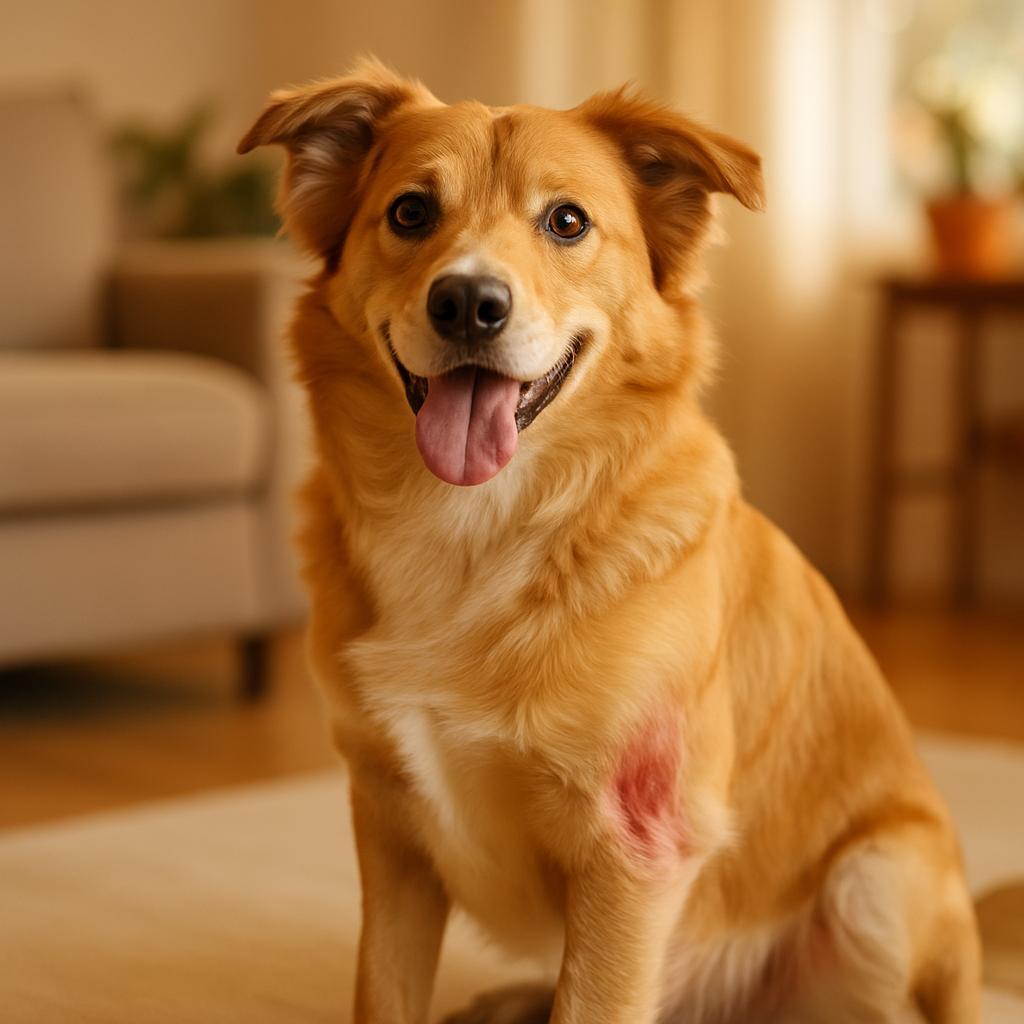
Hot spots are localized areas of skin inflammation and bacterial infection that can appear suddenly on your dogS body. They often arise when your dog excessively scratches, licks, or bites a specific area, causing the skin to break and become prone to infection. Common causes include allergies, flea infestations, insect bites, poor grooming, or underlying conditions such as ear infections or anal gland problems.
recognizing the early signs of hot spots is key to accomplished home treatment. Look for red, moist, and irritated patches that may be oozing or scabbing. Dogs may show signs of itchiness, discomfort, or pain, and the affected area can sometimes have a foul odor. Identifying and addressing the root cause helps prevent recurrence, alongside treating the current hotspot.
Step-by-Step Guide to Treat Dog hot Spots at Home
Treating hot spots at home requires patience, gentleness, and the right materials. The frist priority is to keep the area clean and dry to prevent further bacterial growth. Start by trimming the hair around the hotspot to improve airflow and allow you to apply treatments directly to the skin.
Next, gently cleanse the affected skin with a mild antiseptic solution, such as chlorhexidine or a specialized pet cleanser, to eradicate bacteria and reduce inflammation. Avoid using harsh soaps or human antiseptics,as they can irritate your dog’s sensitive skin further.After cleaning, thoroughly dry the area using a soft towel or air dry, since moisture worsens hotspots.
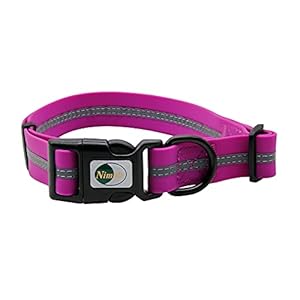
After cleaning, applying a veterinarian-approved topical treatment or soothing homemade remedy, such as a diluted aloe vera gel or oatmeal rinse, can help relieve itchiness and promote healing. However, it’s important to avoid using any product containing alcohol or strong chemicals unless recommended by a vet. keep your dog from licking or scratching the hotspot by using an Elizabethan collar or protective clothing.
When to Consult a Veterinarian
While mild hot spots often respond well to home care, some situations require professional evaluation.If the hotspot grows rapidly, does not improve after a few days of home treatment, or if your dog shows signs of systemic illness like fever, lethargy, or loss of appetite, consult a veterinarian promptly.
Your vet may prescribe antibiotics, anti-inflammatory medications, or medicated shampoos to address the infection and reduce discomfort. In some cases, underlying allergy testing or flea control treatments might be necessary to prevent future outbreaks. Early veterinary intervention ensures your dog receives the safest and most effective care possible.
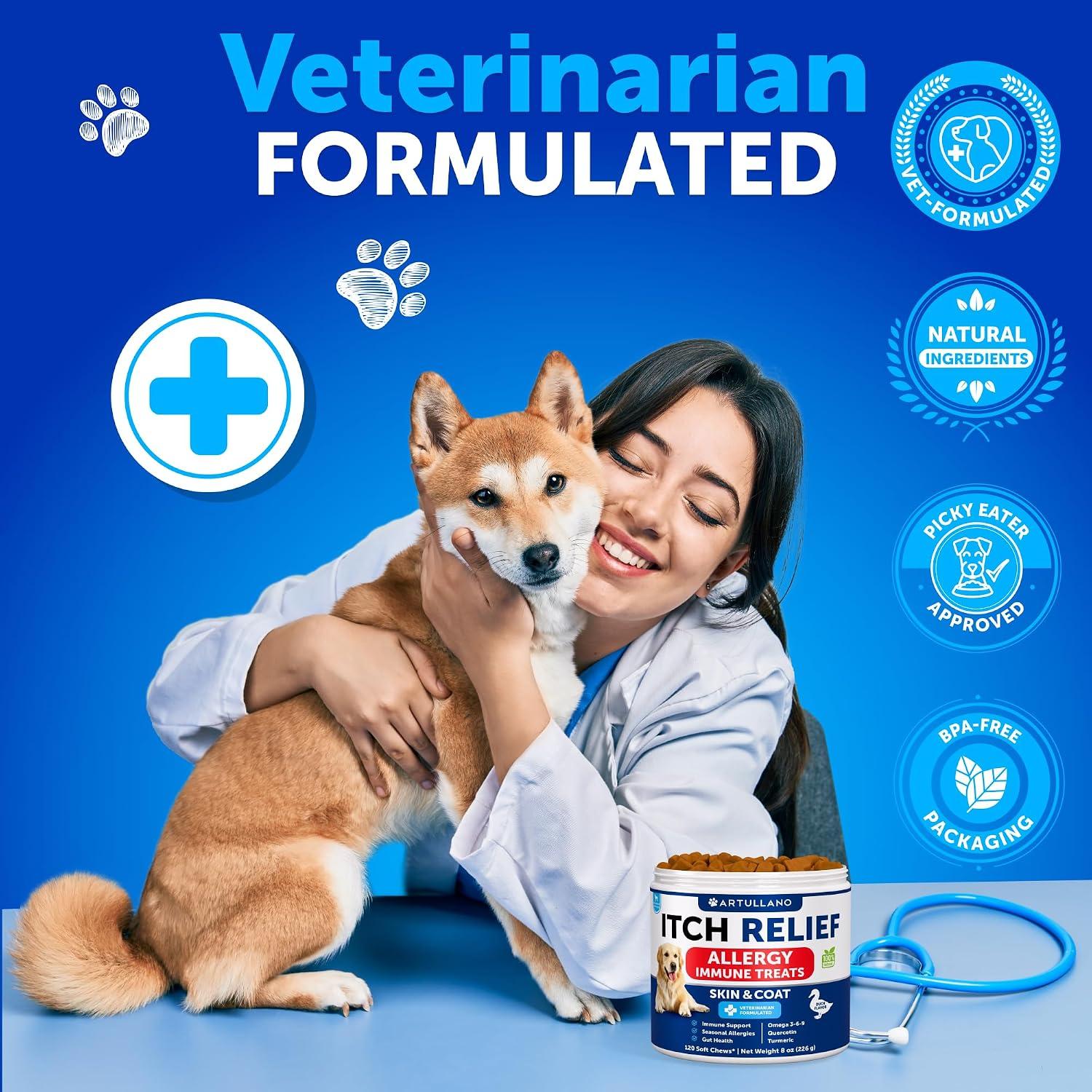
Our top Product Recommendations
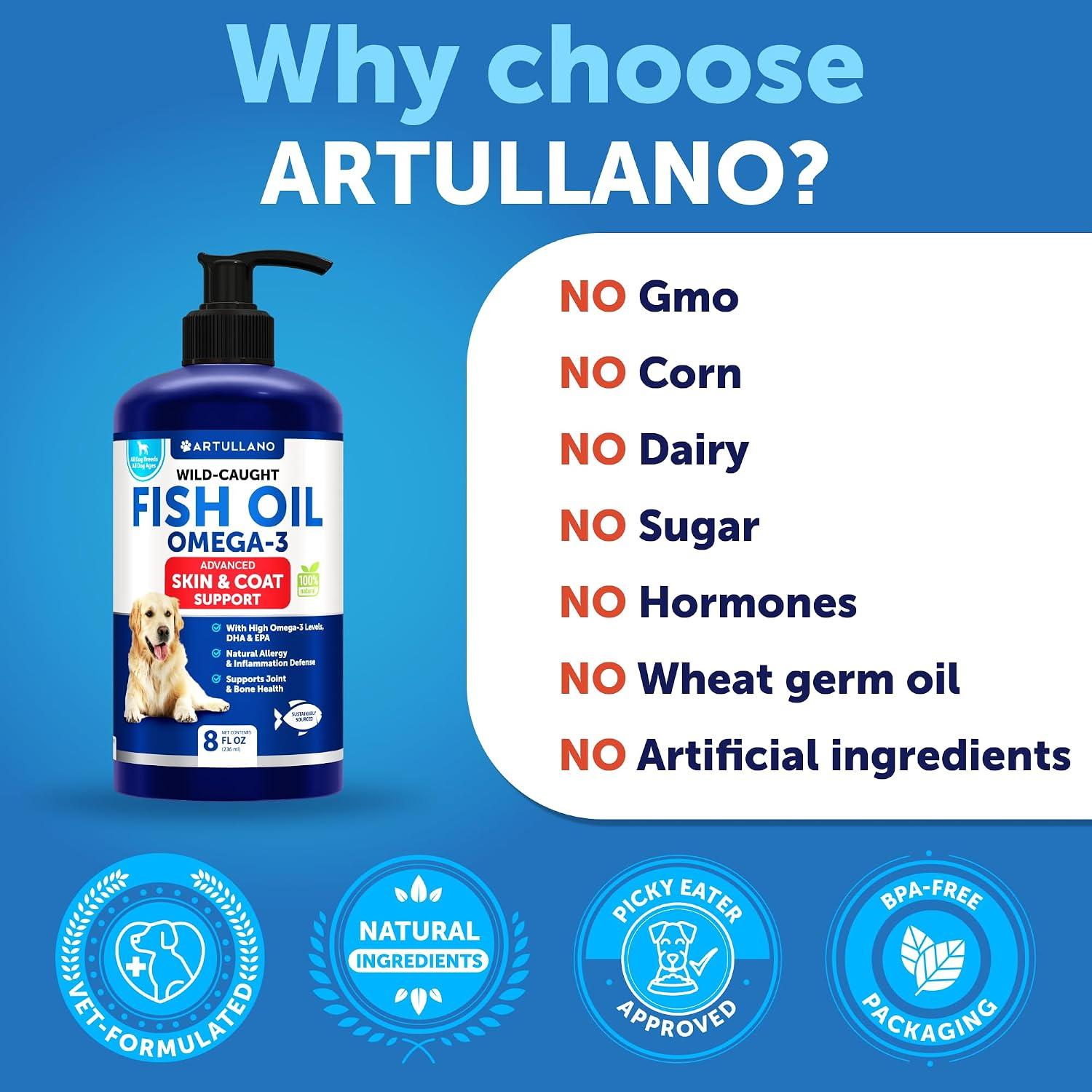
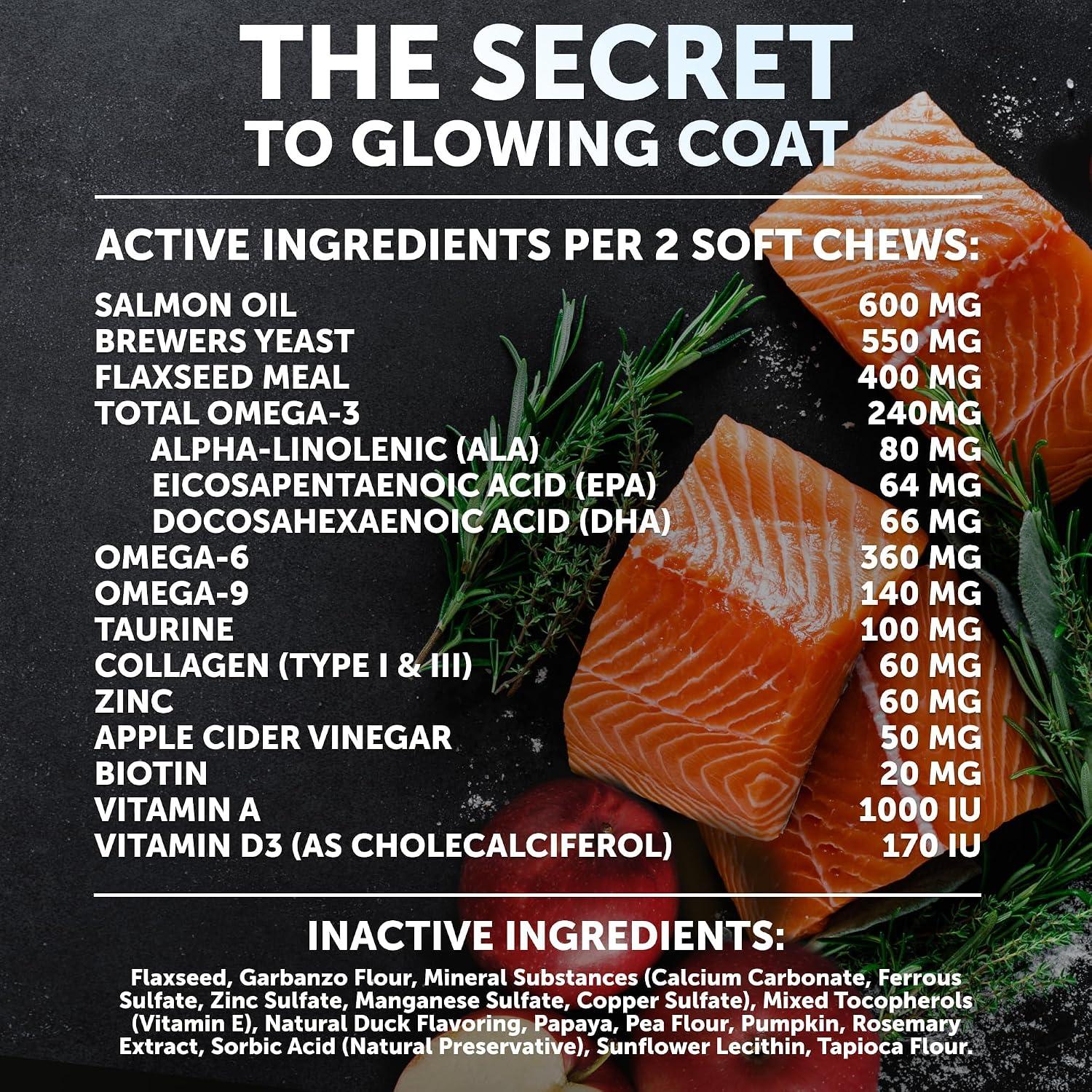
Preventing Hot Spots in the Future
Prevention is always better than cure, especially when it comes to dog hot spots. Regular grooming and keeping your dog’s coat clean and dry can considerably reduce the risk of hotspots developing. Pay attention to any changes in your dog’s skin or behavior that might suggest irritation or allergies.
Flea control is another vital preventative measure. Fleas are a common trigger for hot spots as their bites provoke intense itching. Use vet-recommended flea prevention treatments year-round and maintain a clean living surroundings for your pet. Additionally,ensuring your dog’s diet supports skin health with essential fatty acids like omega-3s can strengthen their skin barrier and help reduce inflammation.
frequently Asked Questions
How long does it take for a hot spot to heal with home treatment?
With consistent cleaning, drying, and proper topical treatment, most mild hot spots will start to improve within 3 to 5 days. Complete healing can take one to two weeks, depending on the severity and whether the underlying cause is addressed.
Can I use human antiseptic creams on my dog’s hot spots?
It is indeed not recommended to use human antiseptic creams or ointments on your dog’s hot spots without veterinary advice. Many human products contain ingredients that can irritate your dog’s skin or be toxic if ingested.Always choose products specifically formulated for pets.
How can I stop my dog from licking the hot spot?
Dogs instinctively lick itchy or painful areas, but this can delay healing and introduce more bacteria. Using an Elizabethan collar (cone) is the most effective way to prevent licking during treatment. Alternatively, pet-safe bitter sprays or protective clothing can help deter licking.
conclusion
successfully treating dog hot spots at home requires early recognition, gentle care, and appropriate treatment to soothe your pet’s discomfort and promote healing. While home remedies and preventive care play a crucial role, never hesitate to seek professional veterinary advice if symptoms worsen or don’t improve.
By following these thorough steps and utilizing recommended products, you can help your dog recover safely and reduce the likelihood of future hot spots. Your attentive care ensures your furry friend remains happy, healthy, and free from painful skin issues.