Introduction
As a loving dog owner, seeing your furry friend uncomfortable or distressed can be tough, especially when thay face issues like constipation. Dog constipation is a common problem that can cause discomfort, pain, and even lead to more serious health issues if left untreated. Fortunately, ther are many natural and safe remedies you can try at home to help your dog find relief without relying on harsh medications.
In this blog post, we’ll explore effective natural treatments to alleviate dog constipation, including dietary changes, hydration tips, and lifestyle adjustments. These remedies are not only safe but also pleasant for your dog’s overall digestive health, helping them stay happy and cozy.
Dietary Adjustments to Relieve Dog Constipation Naturally
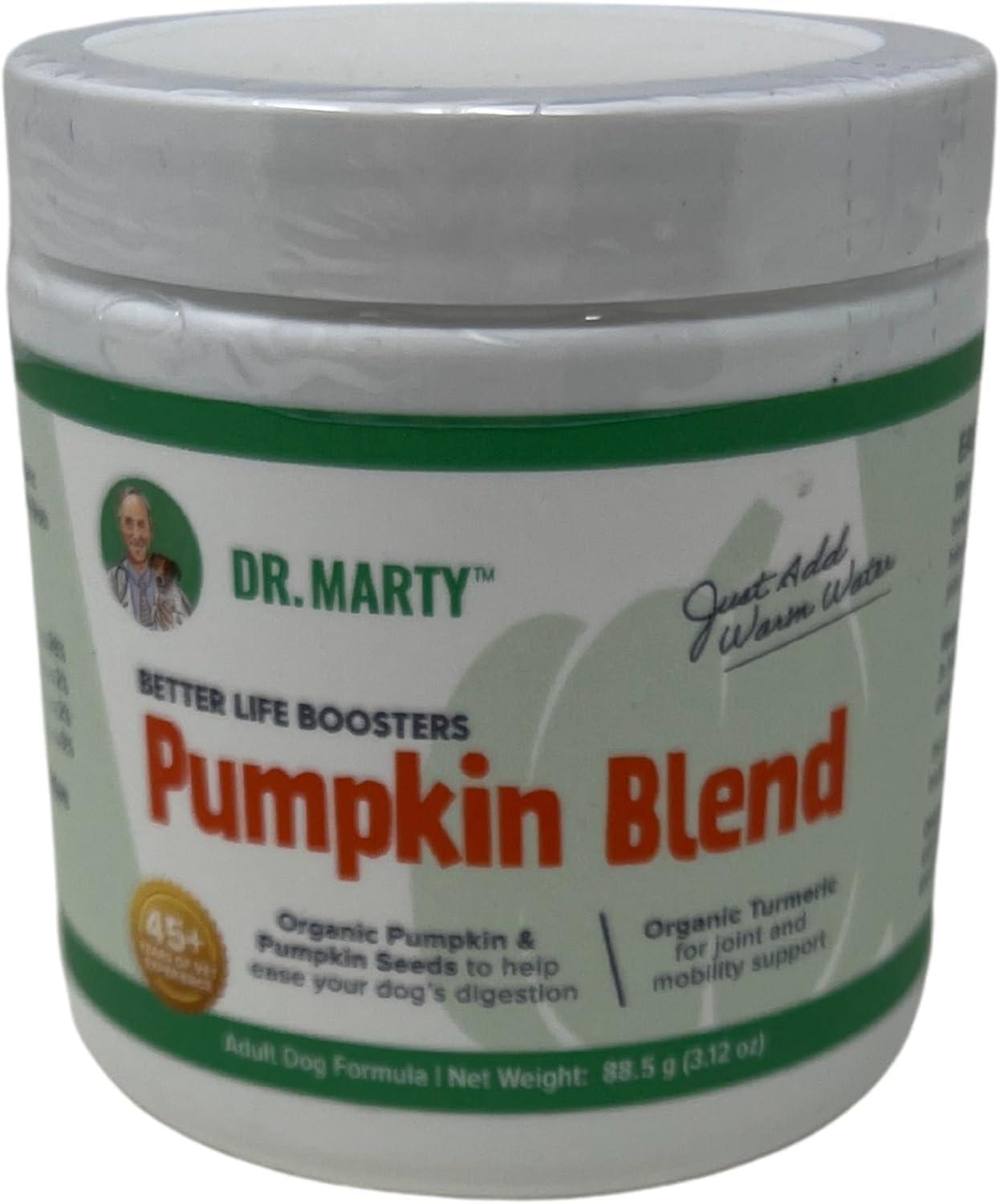
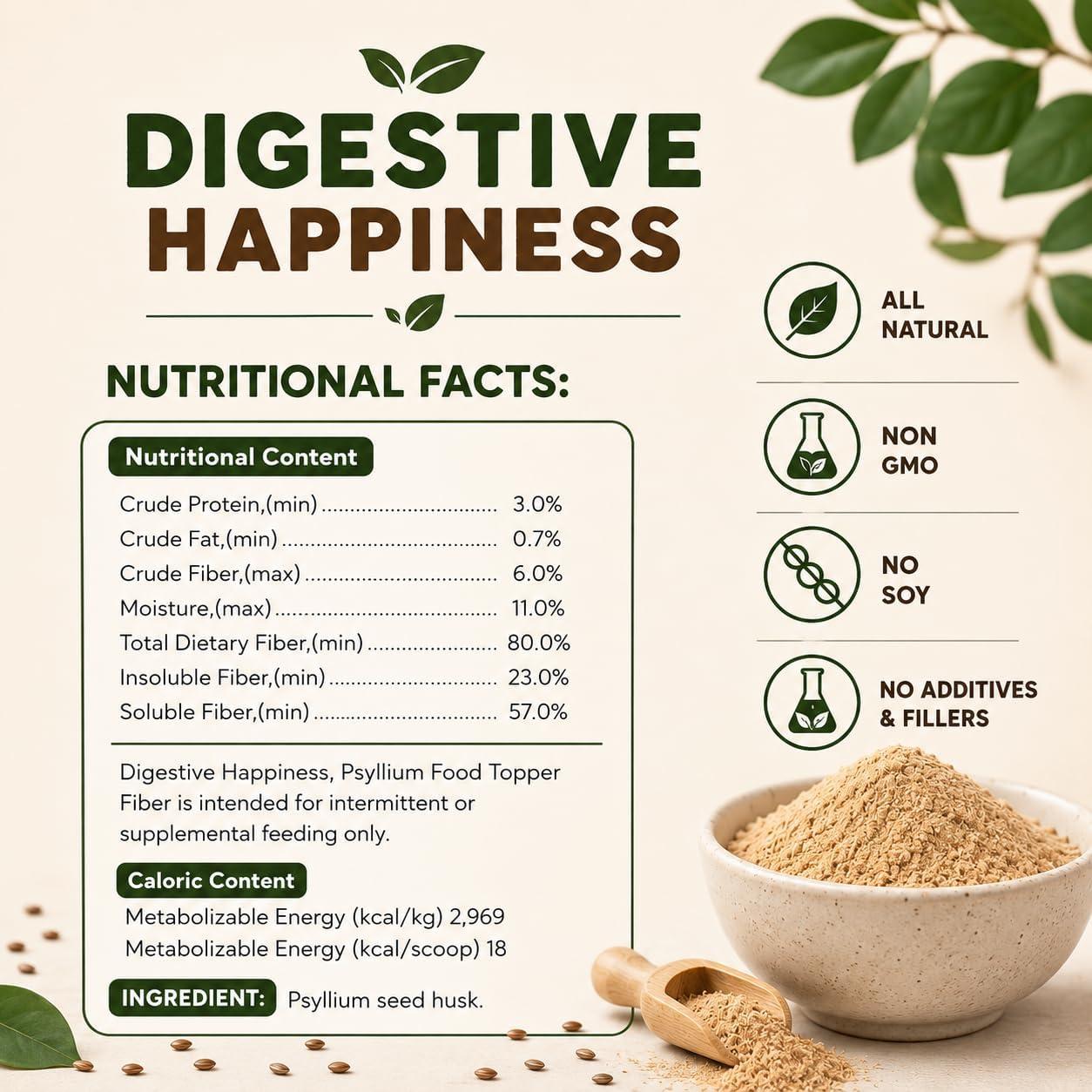
One of the most effective ways to treat dog constipation naturally is by modifying thier diet. Fiber plays a crucial role in promoting regular bowel movements by adding bulk to the stool and helping it pass more easily through the digestive tract. incorporating high-fiber foods such as canned pumpkin, sweet potatoes, and green beans into your dog’s meals can make a big difference.
Additionally, consider switching to a high-quality, fiber-rich dog food formulated for digestive health.Avoid foods that are high in fat or heavily processed, as they might exacerbate constipation issues.Always introduce new foods gradually to prevent any sudden digestive upset.
Keeping a routine feeding schedule also encourages regular bowel habits. Avoid overfeeding or giving too many treats,which can lead to digestive imbalances. Lastly, consult your veterinarian if you want personalized advice concerning your dog’s diet.
Hydration and Exercise: Key Factors in Managing Constipation in Dogs
Proper hydration is essential when it comes to treating dog constipation naturally. Water helps soften stool, making it easier for your dog to pass bowel movements. Ensure your dog has constant access to fresh, clean water throughout the day. If your dog isn’t drinking enough water, try adding a little low-sodium broth to their water bowl or offering ice cubes as a treat to increase their fluid intake.
Regular exercise is another vital factor in preventing and alleviating constipation. Physical activity stimulates bowel movement and keeps the digestive system functioning smoothly. Daily walks, playtime, and even gentle stretching can enhance digestion and reduce the chances of constipation.
Integrating consistent exercise into your dog’s routine not only benefits their digestive health but also improves overall well-being and mental alertness.
Our Top Product Recommendations
Additional Natural Remedies and When to consult a Vet
Besides dietary changes and exercise, several natural supplements can help ease your dog’s constipation. Probiotics, which support a healthy gut flora, can improve digestion and regularity. You may also consider natural laxatives like aloe vera juice or olive oil, but always consult your vet before introducing these supplements to your dog’s regimen.
Environmental factors, such as stress or anxiety, can also lead to constipation. Creating a calm and stable atmosphere with plenty of mental stimulation and affection can positively impact your dog’s digestive health.
While natural remedies are highly effective for mild constipation, persistent or severe cases require professional attention. If your dog shows signs of pain, vomiting, blood in stool, or goes more than 48 hours without a bowel movement, schedule a visit to your veterinarian instantly to rule out serious conditions.
Frequently Asked Questions
How can I tell if my dog is constipated?
Signs of constipation in dogs include difficulty or straining when trying to have a bowel movement, hard and dry stools, less frequent bowel movements, bloated abdomen, and discomfort or whining. If you notice these symptoms, it’s important to intervene early to prevent worsening of the condition.
Is pumpkin safe for all dogs to help with constipation?
Yes, canned pumpkin (plain, not spiced or sweetened) is generally safe for most dogs and is often recommended to relieve constipation due to its high fiber content. Though, it’s best to introduce it gradually and consult your vet if your dog has any special health issues or dietary restrictions.
How much water should my dog drink daily to avoid constipation?
The general rule is that dogs should drink about 1 ounce (30 ml) of water per pound of body weight daily. Active dogs or those in hot climates may need more. Ensuring constant access to fresh water is key to maintaining hydration and preventing constipation.
Conclusion
Treating dog constipation naturally is an achievable goal through simple lifestyle and dietary changes, proper hydration, and regular exercise.Incorporating fiber-rich foods like pumpkin, encouraging your dog to drink plenty of water, and maintaining an active routine can keep your dog’s digestive system healthy and prevent uncomfortable constipation issues.
Remember to observe your dog closely and consult your veterinarian if symptoms persist or worsen. With patience and care, you can help your furry companion enjoy a comfortable, happy, and healthy life free from constipation.