
Introduction
walking your dog should be an enjoyable experience for both you and your furry friend. Unfortunately, leash pulling can turn these outings into stressful and tiring events. When your dog pulls on the leash,it not only makes the walk uncomfortable but can also pose safety risks,such as injuries to both the dog and the owner.
The good news is that leash pulling is a common issue that can be effectively managed with the right training techniques and patience. In this blog post, we will guide you through practical and proven methods to train your dog to stop pulling on the leash, ensuring better, more peaceful walks ahead.
Understanding Why Dogs Pull on the Leash
Before diving into training techniques, it’s important to understand why dogs pull in the first place.Dogs are naturally curious creatures, and when they’re on a walk, they want to explore their surroundings, chase scents, and meet other dogs or people. This excitement and eagerness often translate into pulling.
Another reason some dogs pull is due to a lack of proper leash training during puppyhood or inconsistent training by their owners. Sometimes, pulling behavior develops because the dog sees pulling as a way to get where they want faster, reinforcing the habit time and time again.
Identifying the root cause of your dog’s pulling behavior will help you apply the most appropriate training methods tailored to your pet’s personality and needs.
Effective Techniques to Stop Leash Pulling
Once you understand why your dog pulls, the next step is training them to walk politely on a leash. Start by choosing the right equipment-opt for a comfortable, well-fitting harness or collar that’s specifically designed to discourage pulling, such as a no-pull harness.
Begin training in a low-distraction environment like your backyard or inside the house. Use treats and positive reinforcement to encourage your dog to stay by your side. when your dog starts pulling, stop walking promptly.Stand still and wait for them to return to your side or release the tension on the leash before moving forward again. This “stop-and-go” method teaches your dog that pulling will not get them anywhere.
Another popular method is the “change direction” technique,where you change your walking direction whenever your dog pulls. this keeps your dog focused on you rather of whatever they are trying to chase or reach. Reward your dog with treats and praise once they follow your direction without pulling.
Our Top Product Recommendations
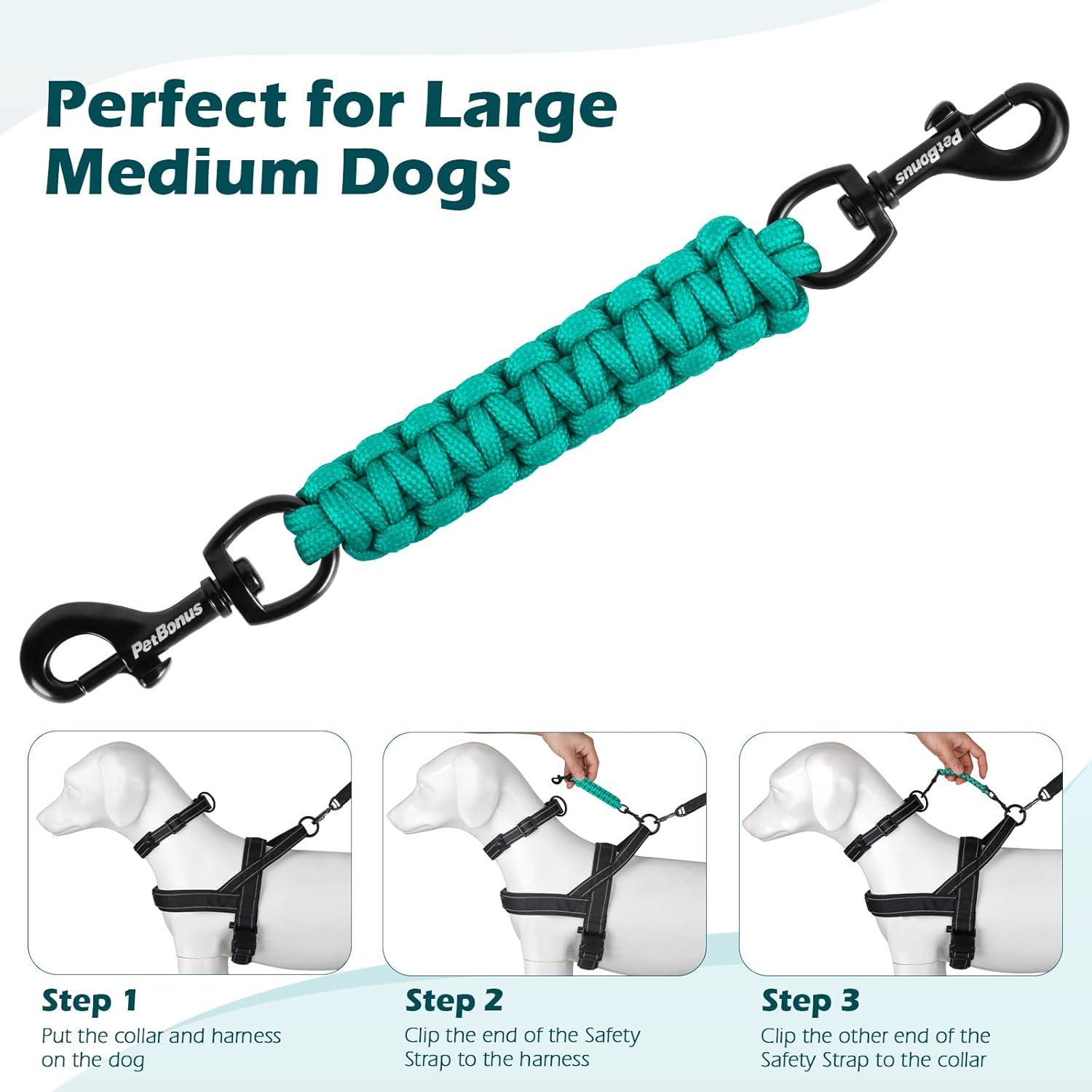

Consistency and Patience Are Key
Training your dog to stop pulling requires consistency in your approach and a lot of patience. Make leash training a daily routine and keep your training sessions short but frequent to maintain your dog’s focus and enthusiasm.Remember, dogs do not learn overnight, so celebrate small victories along the way.
Avoid using harsh corrections or punishment as they may harm your bond with your dog and can create fear or anxiety around walking. Rather, focus on rewarding positive behavior with treats, praise, or playtime.
If you encounter difficulties in training or if your dog’s pulling is severe, consider seeking help from a professional dog trainer who can offer personalized guidance and techniques suited to your dog’s temperament.
Frequently Asked Questions
Why does my dog pull even after training?
Sometimes, dogs may regress or pull due to excitement, distractions, or lack of consistent training practice. It’s important to keep practicing regularly and reinforce good walking behavior consistently to prevent slipping back into old habits.
Is a no-pull harness better than a traditional collar?
A no-pull harness can be an effective tool in reducing pulling because it distributes pressure more evenly and discourages pulling behavior. However, the harness should be used alongside proper training for the best results.
How long does it take to train a dog to stop pulling?
The time required varies depending on the dog’s age, temperament, and previous training experiences. Most dogs can show noticeable betterment within a few weeks with consistent training, but full mastery may take longer.
Conclusion
Training your dog to stop pulling on the leash is a vital step toward creating more enjoyable and safe walks.By understanding why your dog pulls,using effective training techniques,and staying consistent,you can transform your walks into peaceful bonding moments.
Remember that each dog learns at their own pace, so be patient and maintain a positive attitude throughout the process. With time and commitment, you and your dog will both look forward to daily walks filled with calm and control.