Introduction
Dealing with a dog that steals food can be frustrating and sometimes even worrying for pet owners. Food stealing behavior not only disrupts your household but can also put your dog at risk of ingesting harmful or toxic foods. Understanding why your dog is stealing food and learning effective strategies to prevent this behavior is essential for maintaining harmony in your home and ensuring your dog’s safety.
In this blog post, we will explore simple yet highly effective tips to help you stop your dog from stealing food. Whether your pup is a sneaky counter-surfer or tries to snatch food directly off the table, these practical solutions will empower you to handle the situation with patience and confidence.
Understanding Why dogs Steal Food
Before addressing the problem, it’s vital to understand why dogs steal food in the first place. Dogs may steal food due to hunger,boredom,or simply because thay find human food irresistible. Sometimes, dogs have learned that stealing food brings them rewards like attention or tasty treats. Additionally, dogs with separation anxiety or stress might sneak food as a coping mechanism.
Identifying the root cause of your dog’s food stealing is crucial for choosing the right approach to curb this behavior. Is your dog underfed, or are mealtimes inconsistent? Do they lack mental stimulation or exercise? Understanding these underlying factors will help you create a plan that suits your dog’s individual needs and communicates clear boundaries.
Establishing Boundaries and Consistent training
One of the most effective ways to stop your dog from stealing food is to set clear boundaries and consistently reinforce them. Start by teaching your dog commands like “leave it” or “stay,” which can be used to prevent them from grabbing food off counters, tables, or from your hands. Positive reinforcement with treats and praise when your dog respects these commands builds good habits over time.
It’s equally critically important to be consistent with your household members about rules regarding table scraps and unattended food. Avoid feeding your dog directly from the table,and ensure all food is out of reach when not supervised. Consistency helps your dog understand that stealing food leads to no rewards, gradually decreasing their motivation to do so.
Practical tips to Prevent Food Stealing
Implementing practical measures can drastically reduce your dog’s chances of stealing food. Start by managing the habitat: keep countertops clean,store food in secure containers,and use baby gates or closed doors to restrict access to areas like the kitchen or dining room. Using a designated feeding area where your dog eats regularly can also help establish a routine and reduce begging.
Providing enough physical and mental exercise is another key factor. A tired dog is less likely to scout for food out of boredom. try interactive toys, puzzle feeders, and regular walks to keep your dog engaged. Additionally, rewarding calm behavior during your own mealtime encourages patience and discourages food aggression or sneaking.
Our Top Product Recommendations
Using Training Tools and Creating Positive Incentives
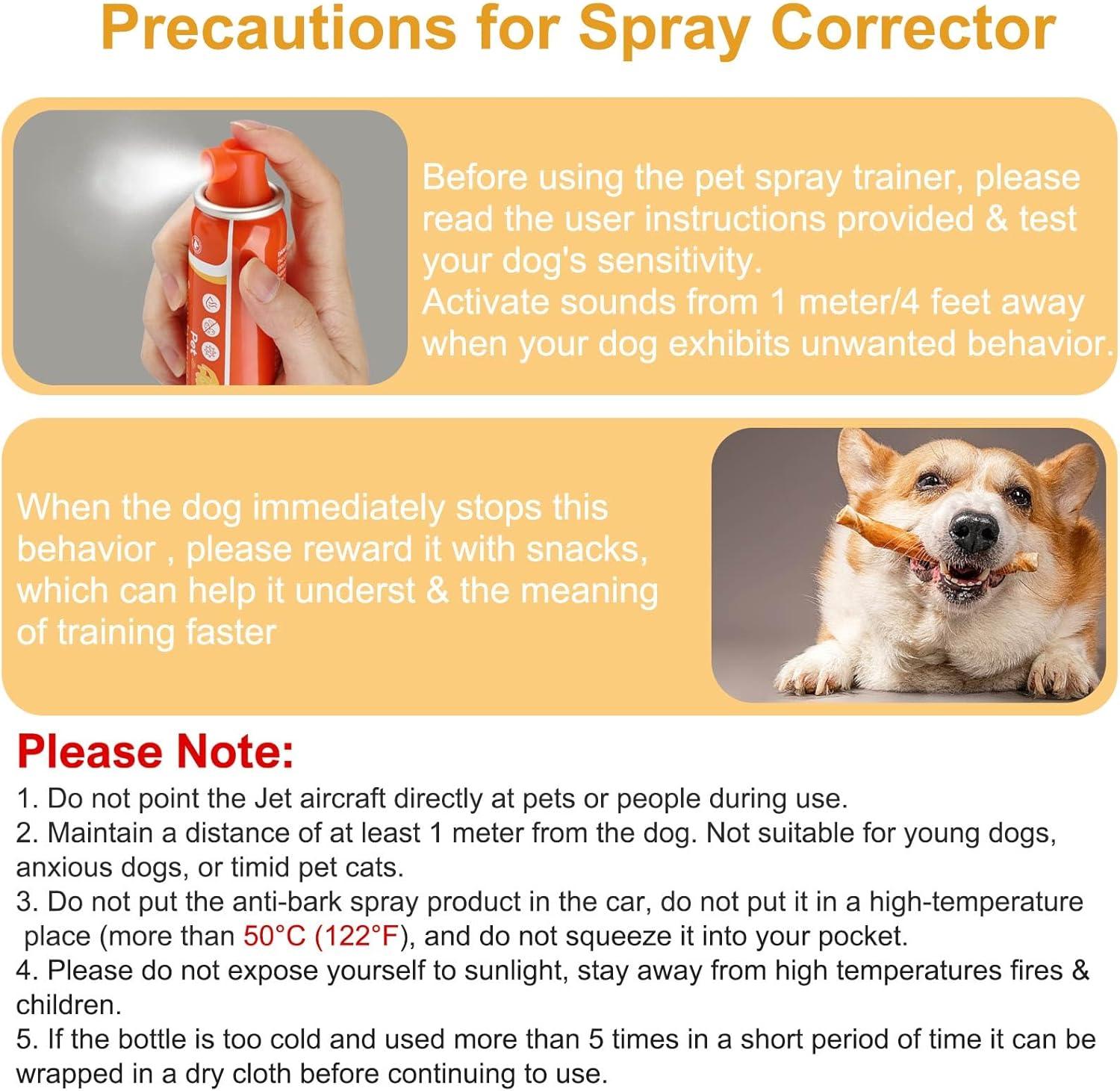
In addition to behavioral training and environmental management, incorporating training tools can be highly effective in deterring food stealing. Tools like dog deterrent sprays, boundary mats, or clicker trainers provide clear feedback to your dog when unwanted behavior occurs. These tools should always be used humanely and in conjunction with positive reinforcement.
Another powerful tip is to create positive incentives for your dog rather than focusing solely on punishment. Reward your dog with treats, affection, or playtime when they avoid stealing or respond well to commands.Consistently rewarding good behavior encourages your dog to repeat it and strengthens your bond.
Remember, patience is key-training takes time, and setbacks might happen. With steady guidance and love, your dog will learn the proper boundaries around food and enjoy happier, safer interactions during mealtimes.
Frequently Asked Questions
Why does my dog steal food even after training?
dogs may continue to steal food if the training is inconsistent or if they find the opportunity irresistible. It’s critically important to maintain strict boundaries and reinforce commands continuously. Additionally, underlying issues like hunger, anxiety, or boredom might be driving the behavior and need to be addressed.
Is it harmful to spray a dog deterrent on my pet?
Most dog deterrent sprays on the market are designed to be safe and humane when used as directed. They provide a harmless but unpleasant sensation to discourage unwanted behavior. Always read and follow the instructions carefully and consult your vet if you have concerns.
Can food stealing be a sign of health problems?
Yes, sometimes excessive food stealing or begging can indicate health issues such as diabetes, thyroid problems, or parasites. If your dog’s behavior changes suddenly or becomes persistent despite training, it’s wise to consult your veterinarian for a thorough check-up.
Conclusion
stopping your dog from stealing food may require a combination of strategies, including understanding the causes, setting clear boundaries, consistent training, and environmental management. With patience and dedication, you can teach your dog to respect mealtime rules and reduce the risk of unwanted snacking.
Remember that positive reinforcement and creating a secure, engaging environment are key to lasting results. Use the tips in this guide along with safe training products to help your dog develop good habits and enjoy a healthier, happier life by your side.